Do Chickens Need a Rooster? What Every Keeper Should Know
Whether you need a rooster for eggs, what roosters actually do for a flock, the downsides like crowing and aggression, and how to decide if one is right for you.
One of the first questions new chicken keepers ask is whether they need a rooster. It is an important one, because the answer shapes your flock, your relationship with your neighbors, and even whether you are following local law. The short answer surprises many people: for eggs, you do not need a rooster at all. But there is more to the story, including what roosters genuinely offer and the real downsides that lead so many keepers to skip them. Here is what you need to know to decide.
Flock Security Without a Rooster

NyPots Automatic Chicken Coop Door, Solar Powered
Closes securely at dusk, providing reliable predator protection a rooster cannot match.
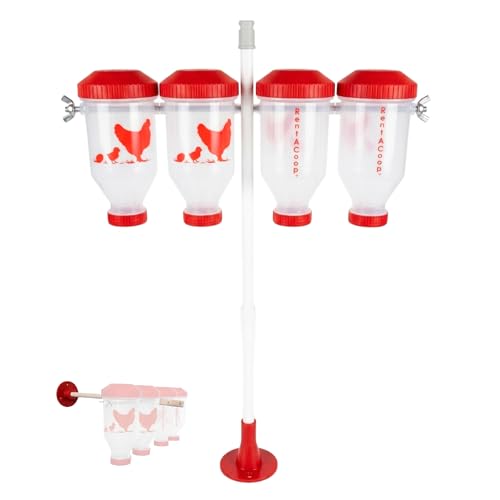
RentACoop Chicken Treat Dispenser, Enrichment Feeder
Keeps an all-hen flock busy and content without a rooster to manage them.

MATICOOPX 20-Egg Incubator with Auto Turner
If you do want chicks, an incubator can replace a rooster plus fertile purchased eggs.
The Big Myth: Roosters and Eggs
Let us clear up the most common misconception right away. Hens lay eggs on their own natural cycle, with or without a rooster, so you absolutely do not need a rooster to get eggs for the kitchen. A rooster is only necessary if you want those eggs to be fertile so they can hatch into chicks. The eggs from an all-hen flock are identical to eat, just unfertilized, which is exactly what nearly all store-bought eggs are. If your goal is fresh eggs, an all-hen flock does the job perfectly.
What a Rooster Actually Offers
Roosters are not pointless, and they do bring real benefits to a flock. A good rooster keeps watch for predators and sounds the alarm when danger appears, often herding his hens to safety. He leads the flock to food, tidbitting and calling the hens over to good finds, and helps maintain order, sometimes breaking up squabbles among the hens. And, of course, he fertilizes the eggs, making it possible to hatch your own chicks and sustain your flock over time. Many keepers also simply enjoy a handsome rooster's presence and personality. These are genuine advantages, but notice that none of them are required for a flock that exists to lay eggs.
The Real Downsides
The reasons many keepers skip roosters are practical and significant:
- Noise: roosters crow loudly and often, all day, not just at dawn. It carries far and frequently disturbs neighbors.
- Legality: many towns and HOAs ban roosters specifically because of the crowing, even where hens are allowed.
- Aggression: roosters can become aggressive toward people as they mature, which is a real safety concern around children.
- No eggs, more feed: a rooster eats feed without laying, and too many roosters over-mate and stress the hens.
For suburban keepers especially, these downsides often outweigh the benefits, which is why all-hen flocks are so common.
Backyard Chicken Keepers Planner
Track your chicken's health, meds, vet visits, mobility, nutrition, and quality of life, all in one printable planner.
Will Your Flock Be Fine Without One?
Absolutely. Hen-only flocks are happy, healthy, and productive. The hens establish their own pecking order, with a dominant hen stepping into the leadership role and sometimes even taking on watchful, rooster-like behaviors. The one benefit you give up is the rooster's predator vigilance, but that is better addressed through secure housing anyway. A well-built, predator-proof coop and run, with hardware cloth over openings, sturdy latches, and a covered run, protects your flock far more reliably than any rooster, and without the noise or risk. An automatic coop door that locks the flock in at dusk adds another solid layer of protection.
If You Do Want a Rooster
Should you decide a rooster is right for you, do it thoughtfully. First, confirm that roosters are legal where you live, checking both local ordinances and any HOA rules. Keep a sensible ratio, commonly around 8 to 12 hens per rooster, so no hen is over-mated and left with a bare, damaged back, and avoid keeping multiple roosters in a small flock, which invites fighting. Choose a breed and an individual bird known for a calm temperament, and raise him with consistent, confident handling to reduce the odds of aggression. Have a plan, too, for the surprise cockerels that sometimes turn up even in sexed chicks.
Making Your Decision
Boil it down to your goals. If you want eggs and a quiet, low-conflict flock, especially in a town that restricts roosters, skip the rooster and enjoy a productive all-hen flock backed by a secure coop. If you want to hatch your own chicks, value the added predator vigilance, and live where roosters are welcome, a well-chosen rooster can be a rewarding addition. Either way, you now know the key truth that frees you to choose: your hens will lay beautifully no matter what you decide.
Pet Insurance · Sponsored
Have a Dog or Cat at Home Too? Protect Them From Surprise Vet Bills
Most backyard chicken keepers share their home with a dog or cat as well, and one emergency visit can run into the hundreds or thousands. Pet insurance can help cover surprise vet bills so a sudden cost does not force a hard choice. Get a free quote and see what coverage fits your household.
Frequently Asked Questions
Do hens need a rooster to lay eggs?
No. Hens lay eggs on a natural cycle whether or not a rooster is present, so for eating eggs you do not need one at all. A rooster is only required to fertilize eggs if you want them to develop into chicks. The eggs from a hen-only flock are exactly the same to eat as fertile ones, just unfertilized, which is in fact what nearly all store-bought eggs are.
What does a rooster actually do for the flock?
A good rooster offers a few real benefits: he watches for predators and sounds the alarm, leads hens to food, helps keep order and break up squabbles, and of course fertilizes eggs if you want to hatch chicks. Many keepers also simply enjoy his presence and appearance. These benefits are genuine, but none of them are necessary for a flock that exists to produce eggs.
What are the downsides of keeping a rooster?
Roosters crow loudly and often, throughout the day, which can disturb neighbors and is why many towns ban them outright. They can also become aggressive toward people, especially as they mature, posing a safety risk around children. They eat feed without laying eggs, and too many roosters can over-mate and stress hens. For suburban and many backyard keepers, these downsides outweigh the benefits.
Are roosters allowed where I live?
It varies widely by location. Many cities and suburbs permit hens but ban roosters specifically because of the noise, while rural areas are usually more permissive. Always check your local ordinances and any homeowners association rules before getting a rooster. Because surprise roosters do turn up even in sexed chicks, it is wise to know the rules and have a plan in advance in case a pullet turns out to be a cockerel.
Will a flock be unhappy or unsafe without a rooster?
No. Hen-only flocks are common, content, and productive. The hens will establish their own pecking order, with a dominant hen taking the lead role and sometimes even adopting rooster-like watchful behaviors. While a rooster can add a layer of predator vigilance, you can provide security through a well-built, predator-proof coop and run instead, which is the more reliable protection anyway.
How many hens should I have per rooster?
If you do keep a rooster, a common guideline is around 8 to 12 hens per rooster, so that no single hen is over-mated. Too few hens per rooster can lead to stressed, over-mated hens with bare backs and broken feathers. Keeping multiple roosters in a small flock often causes fighting and excessive mating pressure, so most backyard keepers who want a rooster keep just one with a good-sized group of hens.
Can I keep a rooster just for predator protection?
You can, but weigh it against the trade-offs. A rooster does add vigilance and may distract or confront a predator, sometimes at the cost of his own life. However, he is not a substitute for secure housing, and his crowing and potential aggression remain. A predator-proof coop with hardware cloth, secure latches, and a covered run protects your flock far more reliably than a rooster, without the noise or risk.
Need more help with your flock?
Browse our guides by topic to find practical solutions.
Wellness Planner: $39