Introducing New Chickens to the Flock the Right Way
How to safely introduce new chickens to an existing flock: quarantine first, use the see-but-no-touch method, reduce aggression, and follow a calm integration timeline.
Adding new chickens to an established flock sounds simple, but chickens are creatures of habit and hierarchy who do not take kindly to strangers. Done carelessly, an introduction can turn into serious bullying or worse. Done patiently, it goes smoothly and your expanded flock settles into a peaceful new order within a few weeks. The keys are protecting your existing birds with quarantine, going slowly, and giving everyone the space and resources to work things out safely. Here is how to do it right.
Helpful for Introductions
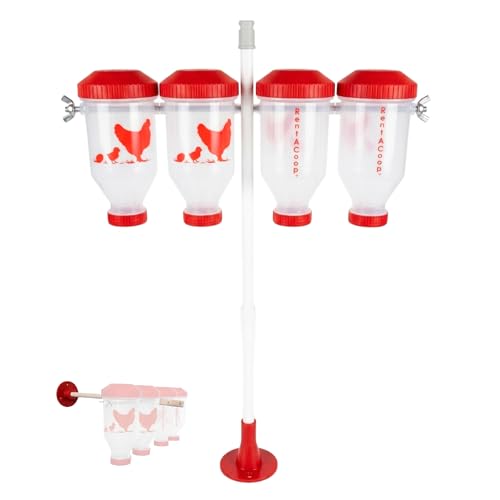
RentACoop Chicken Treat Dispenser, Enrichment Feeder
Distracts the flock and redirects attention away from picking on newcomers.

ZenxyHoC Chicken Feeder and Waterer Set
A second feeding station lets new birds eat and drink without being guarded out.

Dr. Naylor Antiseptic Wound Spray for Poultry
Treats any pecking wounds and hides the red color that triggers more pecking.
Quarantine First
Before you think about introductions, protect the flock you already have. New birds, even ones that look perfectly healthy, can carry diseases, mites, or lice that could spread through your whole flock. Keep newcomers in a separate space, well away from your established birds, for about two to four weeks, and watch closely for any signs of illness or parasites. Inspect them for mites and lice and treat any problems before they ever come near your flock. This quarantine step is easy to skip in your excitement, but it is the cheapest insurance you will ever buy for your birds' health.
Start With See-But-No-Touch
Once quarantine is complete, begin the actual introduction with the see-but-no-touch method, the most effective tool you have. House the newcomers where the established flock can see and hear them but cannot physically reach them, using a hardware-cloth partition, a wire dog crate set inside the run, or an adjoining pen. Keep them this way for one to two weeks. During this time the birds grow used to each other's presence and sounds, and a great deal of the social tension gets worked out visually, without contact and without injury. By the time the barrier comes down, the birds already feel familiar, which takes most of the heat out of the meeting.
Integrate in Groups of Similar Size
Whenever you can, add birds in groups rather than one at a time. A single newcomer absorbs the entire flock's aggression and has no ally, making integration far harder, while a group spreads out the attention and lets the new birds support each other. Try also to match size, since much smaller birds are vulnerable to serious bullying from grown hens. If you are integrating young birds you raised, wait until they are close in size to the adults, usually around eight weeks or more, before mixing the groups.
Backyard Chicken Keepers Planner
Track your chicken's health, meds, vet visits, mobility, nutrition, and quality of life, all in one printable planner.
Set Up the Space to Reduce Conflict
Most integration fighting comes down to competition and confinement, so stack the deck in favor of peace:
- Multiple feeders and waterers: spread several stations around so dominant birds cannot guard them all.
- Hiding spots and clutter: add perches, pallets, and barriers that let newcomers escape and break line of sight.
- More space: integrate in the largest area available, since room to avoid each other cuts fighting sharply.
- Distractions: hang treats, scatter scratch, and add enrichment toys to redirect attention.
- Neutral ground: do the first face-to-face meeting outside the coop if possible, since hens defend their home turf most fiercely.
Supervise, Then Settle In
When you finally allow the groups to share space, supervise the first encounters. Expect some pecking, chasing, and posturing as the flock re-sorts its pecking order, which is normal and usually settles within days. Watch for the signs that it has crossed into harmful bullying: blood, a bird relentlessly cornered and unable to escape, or a newcomer blocked from food and water. If you see those, separate the birds, return to see-but-no-touch for a longer stretch, add more resources and hiding spots, and try again. Treat any wounds and isolate injured birds, since the sight of blood triggers more pecking.
A Calm Timeline
Put it all together and a typical introduction runs about two to four weeks beyond the initial quarantine: quarantine to protect the flock, one to two weeks of see-but-no-touch, then supervised shared time in a roomy, cluttered space with plenty of feeders and waterers. The flock is fully integrated once birds coexist calmly with only minor squabbles, sharing the coop overnight without trouble. Go at the flock's pace rather than forcing it. The patience you invest up front buys you a settled, peaceful flock and spares your birds, old and new, a great deal of stress and risk.
Pet Insurance · Sponsored
Have a Dog or Cat at Home Too? Protect Them From Surprise Vet Bills
Most backyard chicken keepers share their home with a dog or cat as well, and one emergency visit can run into the hundreds or thousands. Pet insurance can help cover surprise vet bills so a sudden cost does not force a hard choice. Get a free quote and see what coverage fits your household.
Frequently Asked Questions
How do I introduce new chickens to my existing flock?
Introduce new birds slowly. Quarantine newcomers first to protect your flock from disease, then use the see-but-no-touch method, housing the groups where they can see but not reach each other for one to two weeks. After that, allow supervised time together in a roomy, cluttered space with multiple feeders and waterers. Full integration usually takes two to four weeks. Rushing the process is the most common cause of serious fighting.
Why should I quarantine new chickens first?
New birds, even healthy-looking ones, can carry diseases or parasites that could devastate your existing flock. Quarantine new chickens separately for about two to four weeks before any introduction, keeping them well away from your flock, and watch for signs of illness, mites, and lice. This step is easy to skip but protects the birds you already have. Treat any parasites before the newcomers ever meet your established flock.
What is the see-but-no-touch method?
See-but-no-touch means letting the established flock and the newcomers see and hear each other through a barrier such as hardware cloth or a wire crate, without physical contact, for one to two weeks. This lets the birds get familiar and work out much of the social tension visually before they ever share space, which dramatically reduces fighting when you finally remove the barrier. It is the single most effective integration technique.
How long does it take chickens to accept new flock members?
Plan for two to four weeks from quarantine through full integration. After quarantine, expect a week or two of see-but-no-touch, then supervised shared time, with squabbling gradually settling as the new pecking order forms. Some flocks integrate faster, some slower. There is no need to rush, since patience now prevents injuries and stress later. The flock is integrated once birds coexist calmly with only minor squabbles.
Should I introduce one new chicken or several?
Introduce birds in groups whenever possible. A lone newcomer absorbs all the flock's aggression and has no companion, making integration much harder, while a group spreads out the attention and lets newcomers stick together. Also try to introduce birds of similar size, since much smaller birds are at risk of serious bullying. If you must add a single bird, expect a tougher process and lean heavily on space and hiding spots.
How can I reduce fighting when integrating chickens?
Add space and resources. Provide multiple feeders and waterers so dominant birds cannot guard them all, add perches, clutter, and hiding spots so newcomers can escape and break line of sight, and integrate in a larger run if possible. Distractions like hanging treats and enrichment toys redirect attention. Doing the first face-to-face meeting on neutral ground rather than inside the coop also helps, since hens are most defensive at home.
What if the new chickens are being badly bullied?
Some pecking is normal, but step in if you see blood, a bird relentlessly cornered and unable to escape, or a newcomer kept from food and water. Separate the birds, return to see-but-no-touch for longer, and add more hiding spots and resources before trying again. Treat any wounds and isolate injured birds, since the sight of blood triggers more pecking. Persistent severe bullying means the introduction needs to slow down.
Need more help with your flock?
Browse our guides by topic to find practical solutions.
Wellness Planner: $39