Why Are My Chickens So Loud?
Chickens get loud from the egg song, morning hunger, alarm calls, and nesting box squabbles. Learn what each noise means, how to quiet avoidable racket, and when to check.
Anyone who has kept chickens knows they are not the silent, gentle creatures some people imagine. Between the triumphant cackling after an egg, the morning demands for breakfast, and the occasional full-flock uproar, a backyard coop can get surprisingly noisy. If you are wondering whether your loud chickens are normal or something to worry about, and especially if you have neighbors nearby, it helps to understand what all that noise actually means.
Most chicken noise is completely normal. The loudest culprits are the egg song hens belt out around laying, morning chatter from hungry birds wanting food and freedom, and squabbles over nesting boxes. Loud noise becomes a concern only when it is a frantic alarm call signaling a predator, or persistent distress from a trapped, injured, or isolated bird. Meeting the flock's needs quiets most of the avoidable racket.
Quieter Flock Helpers
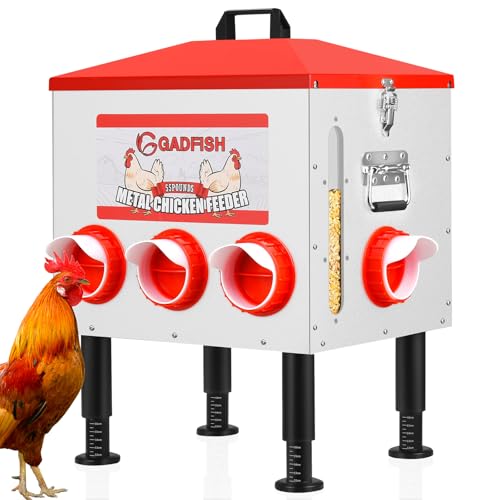
GADFISH GADFISH Automatic Chicken Feeder
Keeps feed available so a hungry flock has less to complain about.

Tiflev Tiflev Roll-Away Nesting Box
Extra nesting space helps reduce noisy squabbling over boxes.

Budsom Budsom Automatic Chicken Coop Door
Lets birds out at dawn automatically, cutting morning complaint noise.
Common causes, most likely first
The egg song
The single most common reason hens get loud is the egg song, the proud, repetitive cackling a hen makes before or after laying. Often one hen starts and the whole flock joins in a noisy chorus that can last a few minutes. It is a normal, healthy behavior, not distress, even if it is louder than you might expect. There is no way to stop the egg song, since it is simply part of being a laying hen, but knowing it is harmless takes the worry out of it.
Morning hunger and impatience
Chickens are at their most vocal in the morning. They wake hungry and eager to get out and forage, and a flock waiting to be fed or let out will complain loudly until their needs are met. This is one of the most fixable kinds of noise. Consistent early feeding, food and water always available, and letting them out promptly, ideally with an automatic door, calms the dawn chorus.
Alarm calls
Chickens have a distinct, sharp, repeated alarm call they use when they spot a threat such as a hawk overhead, a dog, a cat, or an unfamiliar person. This noise is urgent and different from their usual chatter, and it is worth heeding, since it often means a real predator is around. The flock may also go suddenly silent and freeze if a hawk is overhead.
Nesting box squabbles and boredom
Too few nesting boxes, or every hen wanting the same favorite one, leads to loud squabbling at laying time. Provide about one box per three to four hens to ease the competition. Bored, under-stimulated birds in a bare run also make more noise, so space, foraging, and enrichment help.
What to do
- Accept the egg song as normal, and explain it to curious neighbors if needed.
- Feed consistently and keep food and water always available so hungry birds have less to complain about.
- Let the flock out early, or fit an automatic door, to quiet the morning demands.
- Provide enough nesting boxes, roughly one per three to four hens, to stop laying-time squabbles.
- Reduce boredom with space, foraging opportunities, and enrichment.
- If noise is a neighbor concern, keep hens only with no rooster, and choose quieter breeds.
- When you hear a frantic alarm call, go and check for a predator right away.
| The noise | What it means |
|---|---|
| Loud cackling around laying time | Egg song, normal |
| Morning complaining | Hunger, wanting out, normal and fixable |
| Sharp, repeated alarm call | Predator threat, check now |
| Squabbling at the boxes | Too few nesting boxes |
| Frantic distress from one bird | Trapped, injured, or isolated, check |
Backyard Chicken Keepers Planner
Track your chicken's health, meds, vet visits, mobility, nutrition, and quality of life, all in one printable planner.
When to worry
The everyday soundtrack of a backyard flock, egg songs, morning chatter, and contented clucking, is nothing to worry about and is simply the sound of healthy, happy chickens. Most complaint noise is easily reduced by meeting their basic needs for food, freedom, and adequate nesting space. If neighbors are the main concern, an all-hen flock and quieter breeds make a big difference.
Pay close attention, and go investigate, when the noise turns frantic or unusual. A sustained, panicked alarm call often means a predator is present and stalking the flock, which demands your immediate response to keep the birds safe. Continuous distress calls from a single bird can mean it is trapped, tangled in fencing, injured, egg bound, or separated from the others. While loud chickens rarely call for a vet, the sound itself is part of their communication, so when it sounds genuinely alarmed rather than routine, trust it and check on your flock.
Pet Insurance · Sponsored
Have a Dog or Cat at Home Too? Protect Them From Surprise Vet Bills
Most backyard chicken keepers share their home with a dog or cat as well, and one emergency visit can run into the hundreds or thousands. Pet insurance can help cover surprise vet bills so a sudden cost does not force a hard choice. Get a free quote and see what coverage fits your household.
Frequently Asked Questions
What is the egg song and is it normal?
The egg song is the loud, repetitive cackling a hen makes before or after laying an egg, sometimes joined by the rest of the flock in a noisy chorus. It is completely normal and one of the most common reasons backyard hens get loud. Nobody is entirely sure why hens do it, but it is a healthy, natural behavior, not a sign of distress. The downside is simply the volume, which can be considerable for a few minutes at a time.
Why do my hens make so much noise in the morning?
Chickens are most active and vocal in the morning. They wake up hungry and eager to get out and forage, and a flock waiting for food or to be let out of the coop will often complain loudly until their needs are met. Consistent early feeding, reliable access to food and water, and letting them out promptly, or using an automatic door, reduces the morning racket considerably.
Are loud chickens a sign something is wrong?
Sometimes. Beyond the normal egg song and morning chatter, chickens get loud when something disturbs them. A sharp, repeated alarm call signals a perceived predator like a hawk, dog, or cat. Persistent, frantic noise can also mean a bird is trapped, injured, separated from the flock, or that hens are competing over too few nesting boxes. It is worth a quick look to rule out a real problem when the noise seems urgent or unusual.
Do hens need a rooster to be noisy?
No. Hens are perfectly capable of being loud on their own through egg songs, alarm calls, and general chatter. A rooster adds crowing, which is loud, carries far, and happens throughout the day, not just at dawn. If noise is a concern, particularly with close neighbors, an all-hen flock is much quieter than one with a rooster, though even hens are not silent.
How can I reduce my chickens' noise for my neighbors?
Meet their needs promptly to cut down on complaint noise: feed consistently, keep food and water always available, and let them out early or use an automatic door. Provide enough nesting boxes to stop squabbling, and reduce boredom with space and enrichment. Consider keeping hens only, no rooster, and choosing quieter breeds. You cannot eliminate the egg song, but addressing hunger, crowding, and boredom removes most of the avoidable racket.
Why are my chickens fighting over the nesting box and making noise?
When a flock has too few nesting boxes, or all the hens want the same favorite one, they squabble loudly over access, especially during peak laying in the morning. A waiting hen may protest noisily until the box is free. Provide roughly one nesting box for every three to four hens, and add boxes or dummy eggs to spread them out. Reducing the competition quiets the laying-time commotion.
Is constant loud noise ever an emergency?
It can be. Frantic, sustained alarm calling often means a predator is present or stalking the flock, which needs your immediate attention to protect the birds. Continuous distress calls from a single bird can mean it is trapped, tangled, injured, egg bound, or cut off from the flock. When the noise sounds genuinely panicked rather than the usual chatter or egg song, go and check right away, since something may be genuinely wrong.
Need more help with your flock?
Browse our guides by topic to find practical solutions.
Wellness Planner: $39