Best Cold-Hardy Chicken Breeds for Cold Climates
The best cold-hardy chicken breeds compared: Brahma, Wyandotte, Orpington, Plymouth Rock, Australorp, and Chantecler, plus winter care and frostbite prevention tips.
Chickens actually tolerate cold far better than heat, but some breeds are built for winter in a way others simply are not. If you live somewhere with hard freezes, choosing cold-hardy breeds means healthier birds, fewer frostbitten combs, and eggs even in the depths of winter. The breeds below combine dense feathering, hardy bodies, and small frostbite-resistant combs to thrive when the temperature drops, along with practical tips to get your whole flock through the cold.
Cold-Weather Flock Essentials
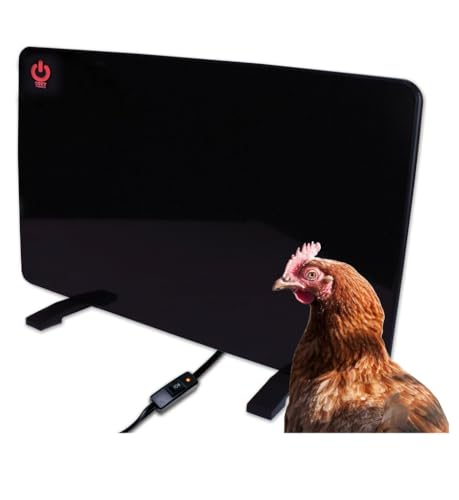
Cozy Products Cozy Coop Flat-Panel Radiant Heater
Safe, low-watt radiant warmth for extreme nights without a fire risk.
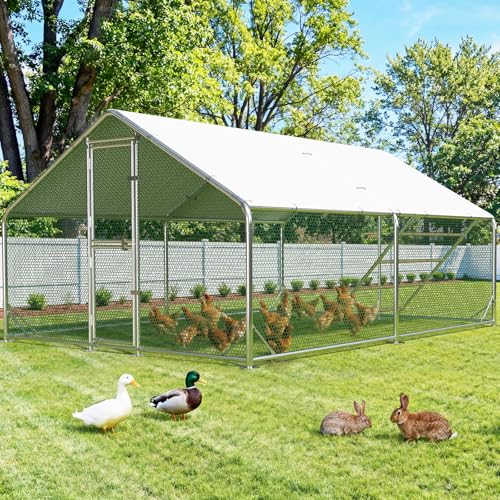
Sannwsg Large Walk-in Chicken Coop & Run
A dry, draft-free, well-ventilated coop is the real key to winter comfort.

Manna Pro Layer Pellets Chicken Feed, 16% Protein
Extra calories from a complete ration help birds generate body heat.

ZenxyHoC 3.6 Gal Chicken Waterer
Keeping water available and unfrozen is critical for winter laying.
What makes a chicken cold-hardy
Three features set the best cold-weather breeds apart. First is feathering: dense, fluffy plumage, and sometimes feathered legs, traps a thick layer of warm air. Second is body mass: larger, heavier birds hold heat better than small, lean ones. Third, and most important for preventing injury, is comb type. Breeds with small pea, rose, walnut, or cushion combs have far less exposed tissue to freeze than breeds with tall single combs, so they avoid the frostbite that plagues other chickens in winter.
Top cold-hardy breeds at a glance
| Breed | Eggs/year | Egg color | Comb type | Why it handles cold |
|---|---|---|---|---|
| Brahma | 150-200 | Brown | Pea | Huge body, feathered legs, winter layer |
| Wyandotte | 200-240 | Brown | Rose | Double feathering, low comb |
| Buff Orpington | 180-220 | Light brown | Single | Thick fluffy plumage |
| Plymouth Rock | 200-280 | Brown | Single | Heavy body, strong winter layer |
| Australorp | 250-300 | Brown | Single | Solid body, all-climate hardiness |
| Chantecler | 180-220 | Brown | Cushion | Bred in Canada for harsh winters |
Brahma: the cold-weather king
The Brahma is arguably the best all-around cold-hardy breed. These gentle giants pack dense feathering, feathered legs and feet, a large heat-holding body, and a small pea comb that shrugs off frostbite. Best of all, they keep laying through the coldest months when most breeds stop, producing 150 to 200 brown eggs a year. Calm and family-friendly to boot, the Brahma is a superb choice for northern keepers who want winter eggs.
Wyandotte: rose comb and double feathering
The Wyandotte is purpose-built for cold. Its dense double layer of feathers and, crucially, its low rose comb make frostbite far less likely than in single-combed breeds. It lays a dependable 200 to 240 brown eggs a year and continues well into cold weather. Add its gorgeous laced plumage and calm, confident temperament, and the Wyandotte is one of the most popular and practical cold-climate breeds available.
Orpington, Plymouth Rock, and Australorp: hardy heavyweights
These three heavy breeds all carry the body mass and feathering to handle cold well, even though they have single combs. The Buff Orpington's plush, abundant plumage makes it exceptionally warm, the Plymouth Rock is famous for laying through winter, and the Australorp combines solid hardiness with record-class production of 250 to 300 eggs a year. With single combs, they benefit most from a dry, draft-free coop and a dab of petroleum jelly on combs before deep freezes.
Chantecler: bred for brutal winters
The Chantecler deserves special mention because it was developed in Canada specifically to survive harsh winters. It has a tiny cushion comb and small wattles that resist frostbite better than almost any other breed, along with dense feathering. A calm dual-purpose bird laying 180 to 220 brown eggs a year, the Chantecler is harder to find but is one of the toughest cold-climate chickens you can keep.
Winter care that matters more than heat
Even the hardiest breeds need the right setup. The single most important thing is a dry, well-ventilated, draft-free coop, because frostbite is driven by trapped moisture, not by cold air alone. Ventilate high above the roost so damp air escapes without chilling the birds. Skip supplemental heat in most climates, since it is a fire risk, prevents acclimation, and leaves birds vulnerable in a power outage; a safe radiant flat-panel heater is the only kind to consider for extreme cold.
Keep water from freezing, since hens stop laying fast without it, and provide extra feed because birds burn more calories staying warm. Wide, flat roosts let chickens cover their feet with their bodies to prevent frostbitten toes. Add a few hours of morning light if you want to keep eggs coming through the short days.
Backyard Chicken Keepers Planner
Track your chicken's health, meds, vet visits, mobility, nutrition, and quality of life, all in one printable planner.
Bottom line
For cold climates, choose breeds with the feathering, body mass, and small combs built for winter: Brahmas and Wyandottes lead the pack, with Orpingtons, Plymouth Rocks, Australorps, and the rugged Chantecler close behind. Pair the right breed with a dry, draft-free coop, unfrozen water, and plenty of feed, and your flock will not just survive the cold, it will keep laying through it. With smart breed choice and good housing, winter chicken keeping is genuinely easy.
Pet Insurance · Sponsored
Have a Dog or Cat at Home Too? Protect Them From Surprise Vet Bills
Most backyard chicken keepers share their home with a dog or cat as well, and one emergency visit can run into the hundreds or thousands. Pet insurance can help cover surprise vet bills so a sudden cost does not force a hard choice. Get a free quote and see what coverage fits your household.
Frequently Asked Questions
What is the most cold-hardy chicken breed?
The Brahma and the Chantecler are among the most cold-hardy breeds. Brahmas have dense feathering, feathered legs, large bodies, and small pea combs that resist frostbite, while the Chantecler was specifically bred in Canada for harsh winters with a tiny cushion comb. Wyandottes, with their rose combs and double feathering, and fluffy Orpingtons are also excellent cold-weather choices.
Why do small combs matter in cold weather?
Large single combs and wattles have a lot of exposed surface and thin tissue, which makes them very prone to frostbite in hard freezes. Breeds with small pea, rose, walnut, or cushion combs have far less exposed surface, so they resist frostbite much better. That is why cold-climate keepers favor breeds like the Wyandotte, Brahma, and Chantecler, whose comb types are naturally built for the cold.
Do cold-hardy chickens need a heated coop?
Usually not. Healthy cold-hardy breeds handle freezing temperatures well, and adding heat can actually be risky: it creates a fire hazard, prevents birds from acclimating, and leaves them vulnerable if the power fails. The priority instead is a dry, draft-free, well-ventilated coop. Moisture, not cold, causes most frostbite. In extreme climates a safe radiant flat-panel heater may help, but good housing matters far more.
How do I keep chickens laying through winter?
Cold-hardy breeds like Plymouth Rocks, Wyandottes, and Brahmas naturally lay better in winter than most. To boost production further, add a few hours of morning light to extend daylight to about 14 to 16 hours, since short days are the main reason laying drops. Keep water from freezing, feed a good layer ration, and ensure the coop is dry and draft-free so birds stay comfortable and productive.
How do I prevent frostbite on combs and wattles?
The single best defense is a dry, well-ventilated coop, because frostbite is driven by trapped moisture more than by cold air alone. Ventilate high above the birds to let damp air escape without creating drafts at roost level. For breeds with larger combs, applying a thin coat of petroleum jelly before a hard freeze adds protection. Choosing small-combed cold-hardy breeds prevents most problems from the start.
Can chickens stay outside in winter?
Yes, cold-hardy chickens can spend winter outdoors as long as they have a dry, draft-free coop to roost in and shelter from wind and wet. Chickens tolerate cold far better than heat. Give them a wind-protected run area, keep water unfrozen, provide extra feed since they burn more calories staying warm, and offer wide roosts so they can cover their feet with their bodies. Most cold-hardy breeds thrive.
Need more help with your flock?
Browse our guides by topic to find practical solutions.
Wellness Planner: $39