Best Egg-Laying Chicken Breeds for Your Backyard
The best egg-laying chicken breeds compared: Leghorn, Australorp, Rhode Island Red, ISA Brown, Plymouth Rock, and Sussex, with eggs per year, color, and temperament.
If your main goal is a steady supply of fresh eggs, breed choice matters more than almost anything else. Some chickens lay 300 eggs a year while others manage barely 100, and the difference comes down to genetics. Below are the most productive laying breeds for a backyard flock, chosen for egg output, egg color, temperament, and hardiness, so you can match the right hen to your eggs, your climate, and your family.
Egg-Laying Essentials
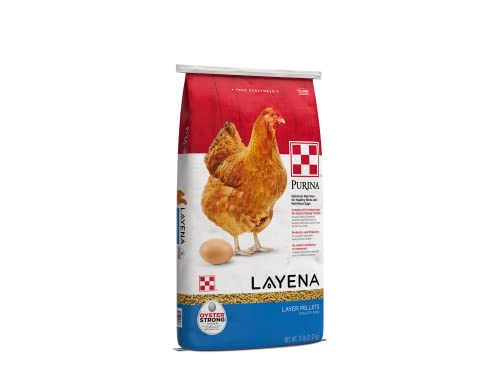
Purina Layena Layer Pellets, 25 lb
Complete 16% protein layer feed, the foundation of high egg output.

Pecking Order Oyster Shell Calcium Supplement
Free-choice calcium for strong shells from a hard-working layer.

VEVOR Metal Chicken Nesting Boxes, 4-Compartment
Roll-out nests keep a high volume of eggs clean and crack-free.
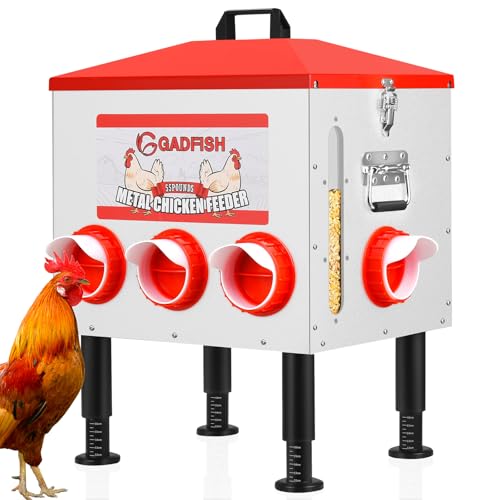
GADFISH 55 lb Automatic Chicken Feeder
No-waste feeder keeps a productive flock fed without daily refills.
How we chose these breeds
These picks are based on established poultry-breed data and the reputations these breeds have earned with backyard keepers and poultry extension resources over decades, not on lab testing. We weighted annual egg output most heavily, then considered egg color, temperament, climate hardiness, and how well each breed suits a typical backyard rather than a commercial barn. Every breed here is a proven, widely available layer you can buy from most hatcheries.
The top egg-laying breeds at a glance
| Breed | Eggs/year | Egg color | Temperament | Best for |
|---|---|---|---|---|
| Leghorn | 280-320 | White | Active, flighty | Max white eggs, hot climates |
| Australorp | 250-300 | Brown | Calm, friendly | Top brown eggs, all climates |
| ISA Brown / Golden Comet | 250-320 | Brown | Friendly, docile | Beginners, max brown eggs |
| Rhode Island Red | 250-300 | Brown | Hardy, active | Reliable all-rounder |
| Plymouth Rock | 200-280 | Brown | Friendly, calm | Cold climates, winter eggs |
| Sussex | 200-250 | Light brown | Curious, gentle | Dual-purpose, foraging |
Leghorn: the white-egg champion
For raw output, nothing beats the white Leghorn. At roughly 280 to 320 large white eggs per year with outstanding feed efficiency, it is the bird behind most supermarket white eggs. Leghorns are lean, heat-tolerant, and early to start laying, often by 16 to 18 weeks. The trade-off is temperament: they are active, alert, and flighty rather than cuddly, and their large single comb is frostbite-prone in hard winters. For maximum white eggs in a warm climate, the Leghorn is unmatched.
Australorp: the record-setting brown layer
If you want brown eggs in quantity from a calm, friendly bird, the Australorp is the standout. It lays 250 to 300 large brown eggs a year and holds the historic world record of 364 eggs in 365 days. Better still, it pairs that production with an easygoing temperament and excellent all-climate hardiness, handling both heat and cold well. For most backyard keepers chasing brown eggs, the Australorp is the smartest single choice.
ISA Brown and other sex-link hybrids
Sex-link hybrids like the ISA Brown and Golden Comet are purpose-bred laying machines, producing 250 to 320 brown eggs a year and starting young. They are friendly, docile, and beginner-friendly, and the chicks can be sexed by color at hatch, so you avoid surprise roosters. The catch is that they are hybrids bred for a few intense laying years and tend to taper off and have shorter productive lifespans than heritage breeds, but for pure early output they are excellent.
Rhode Island Red: the dependable all-rounder
The Rhode Island Red is the classic homestead layer, producing 250 to 300 large brown eggs a year from a tough, low-maintenance, dual-purpose body. Reds tolerate heat and cold, forage actively to lower feed costs, and forgive beginner mistakes. The hens are calm while the roosters can be assertive. If you want one hardy breed that does almost everything well, the Red is the benchmark.
Plymouth Rock and Sussex: steady and cold-friendly
The Plymouth Rock lays 200 to 280 brown eggs a year and is prized for laying through cold winters when other breeds stop, along with a famously friendly temperament. The Sussex is a curious, gentle dual-purpose breed laying 200 to 250 light-brown eggs a year with strong foraging skills. Neither tops the output charts, but both are dependable, hardy, family-friendly birds that round out a productive flock beautifully.
Tips to maximize egg production
The right breed is only half the equation. To get the most from your layers, feed a complete 16 percent layer ration with free-choice oyster shell, keep fresh water available at all times, and provide one clean nesting box per three to four hens. In winter, add a few hours of morning light to extend daylight to 14 to 16 hours, since shorter days are the main reason production drops. Minimize stress, control parasites, and expect natural dips during the molt.
Backyard Chicken Keepers Planner
Track your chicken's health, meds, vet visits, mobility, nutrition, and quality of life, all in one printable planner.
Bottom line
For the most eggs, match the breed to your priorities: Leghorns for white eggs and heat, Australorps and Rhode Island Reds for reliable brown eggs in any climate, sex-link hybrids for easy early output, and Plymouth Rocks for winter laying. A small mixed flock of two or three of these breeds gives you a colorful basket, steady year-round production, and birds suited to your weather. Feed them well and they will keep that basket full for years.
Pet Insurance · Sponsored
Have a Dog or Cat at Home Too? Protect Them From Surprise Vet Bills
Most backyard chicken keepers share their home with a dog or cat as well, and one emergency visit can run into the hundreds or thousands. Pet insurance can help cover surprise vet bills so a sudden cost does not force a hard choice. Get a free quote and see what coverage fits your household.
Frequently Asked Questions
What is the best egg-laying chicken breed?
For sheer volume, the white Leghorn is the top layer at roughly 280 to 320 white eggs per year, which is why it dominates commercial egg production. If you want brown eggs with a friendlier temperament, the Australorp is the standout, laying 250 to 300 eggs a year and holding the world record of 364 in 365 days. The best breed for you depends on egg color, temperament, and climate.
How many eggs does a productive hen lay per year?
A top laying breed in good health produces roughly 250 to 320 eggs per year at her peak, which is the first and second laying seasons. That works out to five or six eggs a week. Production naturally drops during the annual molt, through the short days of winter unless you add light, and as a hen ages past her second or third year. Heritage and ornamental breeds lay far fewer.
What chicken lays the most eggs without a rooster?
All hens lay eggs without a rooster; a rooster is only needed for fertile, hatchable eggs, not for laying. So the highest-producing breeds, like Leghorns, Australorps, ISA Browns and other sex-link hybrids, Rhode Island Reds, and Plymouth Rocks, all lay their full output whether or not a rooster is present. Most backyard keepers skip the rooster entirely and still fill the egg basket.
How do I keep my hens laying through winter?
Egg production drops in winter mainly because of shorter daylight, which signals hens to slow down. To keep eggs coming, add a few hours of artificial light to extend the day to about 14 to 16 hours, using a timer in the morning. Also keep birds well-fed on layer feed, provide unfrozen water, and reduce stress. Cold-hardy winter layers like Plymouth Rocks, Wyandottes, and Brahmas help too.
What should I feed laying hens for the most eggs?
Feed a complete commercial layer ration of about 16 percent protein once pullets reach point of lay, and keep it available all day. Provide crushed oyster shell free-choice so hens can take the extra calcium that shell production demands, and offer insoluble grit if they free-range or eat anything besides pellets. Constant fresh water is essential, since even a short shortage can stop laying for days.
At what age do hens start laying eggs?
Most laying breeds begin around 18 to 22 weeks of age, which keepers call point of lay. Early-maturing breeds like Leghorns and sex-link hybrids can start around 16 to 18 weeks, while larger, slower-maturing breeds like Brahmas may not start until 6 to 7 months. The first eggs are usually small and sometimes irregular before the hen settles into full-sized, consistent production.
Need more help with your flock?
Browse our guides by topic to find practical solutions.
Wellness Planner: $39