Bielefelder Chickens: Gentle Giant Dual-Purpose Guide
A complete guide to Bielefelder chickens: 200-230 large brown eggs a year, ultra-calm temperament, autosexing chicks, cold hardiness, big dual-purpose size, and care.
The Bielefelder is a German breed that has become a backyard favorite for one big reason: it may be the calmest chicken you will ever keep. These gentle giants are large, hardy, dual-purpose birds that lay generous brown eggs right through winter, sex themselves at hatch, and tolerate handling so well that children adore them. If you want one breed that combines a sweet temperament, real size, autosexing convenience, and steady laying, the Bielefelder is hard to beat.
Top Picks for Bielefelder Keepers
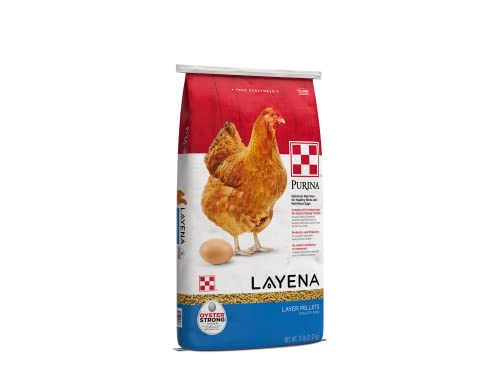
Purina Purina Layena Layer Pellets, 25 lb
Complete 16% protein feed to fuel a big, steady-laying body.

Pecking Order Pecking Order Oyster Shell
Free-choice calcium for strong shells on those large eggs.

VEVOR VEVOR Metal Nesting Boxes, 4-Compartment
Roomy roll-out nests sized for a big dual-purpose hen.

Omlet Omlet Insulated Chicken Waterer, 3 Gallon
Cool water in summer matters for this large, heat-sensitive breed.
Egg production and egg color
Bielefelders lay about 200 to 230 large eggs a year, a dependable four eggs a week, which is strong output for such a large dual-purpose bird. Pullets typically begin around 22 to 26 weeks. Their standout trait is winter laying: while many breeds taper off in the short, dark days, the Bielefelder keeps producing, making it one of the more valuable cold-season layers for a homestead.
The eggs are large and warm brown to tan, occasionally with a light gloss, and their generous size suits a hearty kitchen. There is no dark bloom or blue tint, but the combination of big eggs and steady winter output is exactly what most keepers want. Feed a complete 16 percent layer ration and offer crushed oyster shell free-choice to keep those large shells strong.
Temperament: famously gentle
This is where the Bielefelder truly stands out. The breed is widely regarded as one of the calmest and most docile chickens you can keep. They are gentle, quiet, and people-oriented, rarely flighty and almost never aggressive, and they tolerate handling beautifully, which makes them ideal for children and nervous first-time keepers. Despite their imposing size, roosters are typically mellow as well. They settle easily into mixed flocks and tend to sit comfortably near the middle of the pecking order rather than fighting for the top.
Autosexing chicks
Bielefelders are an autosexing breed, which means you can tell pullets from cockerels at hatch by their down. Female chicks generally show darker, more defined chipmunk striping, while males are lighter with a clearer head spot. This trait, deliberately bred into the breed in Germany, lets you identify hens on day one and avoid the surprise-rooster problem that comes with many breeds. For keepers who want hens only, that is a genuine advantage.
Cold and heat hardiness
Bielefelders were developed in Germany as a robust, cold-tolerant breed, and their large, well-feathered bodies handle winter well while they keep laying. The single comb is the frostbite risk in hard freezes, so keep winter housing dry and draft-free with good overhead ventilation. As a heavy breed they are more sensitive to heat, so during hot weather make sure they have shade, cool water, and good airflow. Manage the seasons sensibly and they thrive in most climates.
Size and appearance
Bielefelders are a large dual-purpose breed. Hens weigh about 7 to 8 pounds and roosters a hefty 10 to 12 pounds, putting them among the biggest backyard breeds. They carry a handsome crele or kennfarbig pattern, a soft barred blend of golden brown, gray, and black that is part of what makes autosexing possible. They have a single comb, yellow legs, and a broad, upright frame. Because of their bulk, give them a little extra room, at least 4 square feet of coop floor per bird plus a generous run.
| Trait | Bielefelder |
|---|---|
| Eggs per year | 200-230 (large) |
| Egg color | Light brown to tan |
| Temperament | Exceptionally calm, gentle, quiet |
| Cold hardiness | Excellent (watch single comb) |
| Heat tolerance | Moderate (heavy breed) |
| Mature weight | Hen ~7-8 lb, rooster ~10-12 lb |
| Broodiness | Occasional |
| Best for | Families, dual-purpose, winter eggs, autosexing |
Broodiness and raising chicks
Bielefelders go broody only occasionally, since they have been selected mainly for laying and meat. When a hen does set, she is generally a calm and reliable mother, but for dependable hatching most keepers use an incubator or a broody hen of another breed. The big advantage at hatch is autosexing, which lets you sort pullets from cockerels right away. Chicks are vigorous and grow into the large, mellow birds the breed is famous for, though their size means a slightly longer grow-out.
Everyday care
Care is straightforward. Provide a complete layer feed at point of lay, constant fresh water, insoluble grit for foragers, and free-choice oyster shell. Offer one roomy nesting box per three to four hens, sturdy low roosts that suit a heavy bird, and predator-proof housing with good winter ventilation. Give them a bit more space than a light breed needs, keep bedding dry, and watch for mites and lice. Treat them well and these gentle giants reward you with calm company and a steady supply of large eggs.
Backyard Chicken Keepers Planner
Track your chicken's health, meds, vet visits, mobility, nutrition, and quality of life, all in one printable planner.
Is the Bielefelder right for you?
Choose a Bielefelder if you want one of the calmest, most family-friendly chickens around, plus real dual-purpose size, dependable winter laying, and the convenience of autosexing chicks. It is an outstanding choice for households with kids and for homesteaders who want eggs and meat from a single gentle breed. Keepers tight on space or chasing record egg counts might look elsewhere, but for a big, sweet, productive bird, the Bielefelder is exceptional.
Pet Insurance · Sponsored
Have a Dog or Cat at Home Too? Protect Them From Surprise Vet Bills
Most backyard chicken keepers share their home with a dog or cat as well, and one emergency visit can run into the hundreds or thousands. Pet insurance can help cover surprise vet bills so a sudden cost does not force a hard choice. Get a free quote and see what coverage fits your household.
Frequently Asked Questions
How many eggs do Bielefelders lay per year?
Bielefelders are reliable layers for a large dual-purpose breed, producing roughly 200 to 230 large eggs a year, or about four a week. Pullets usually start around 22 to 26 weeks. They are well known for laying steadily through winter, when many breeds slow down, which combined with their size makes them a genuinely productive homestead bird across all four seasons.
What color eggs do Bielefelders lay?
Bielefelders lay large brown eggs, typically a warm light brown to tan, sometimes with a slightly glossy finish. The eggs are notably big, in keeping with the breed's hefty frame, and production stays consistent through cold weather. They do not have the dark bloom of a Marans or any blue tint, but the generous size and steady winter output make them an excellent everyday egg.
Are Bielefelders good for families and beginners?
Exceptionally so. Bielefelders are famous for being one of the calmest, most docile breeds available. They are gentle, quiet, and people-oriented, rarely flighty or aggressive, and they tolerate handling well, which makes them wonderful for children and first-time keepers. Their easygoing nature, combined with hardiness and good laying, makes them one of the most forgiving and rewarding breeds for a backyard or family flock.
Are Bielefelders autosexing?
Yes. Bielefelders are an autosexing breed, so chicks can be sexed at hatch by their down coloring and head markings. Pullet chicks generally show a darker, more defined chipmunk striping while cockerels are lighter with a clearer head spot. This trait, bred into the breed in Germany, lets you identify females early and avoid surprise roosters, which is a real convenience for keepers who want hens.
Are Bielefelders cold-hardy?
Yes, very. Bielefelders were developed in Germany as a robust, cold-tolerant breed, and their large, well-feathered bodies handle winter well while they keep laying. The single comb is the main frostbite risk in hard freezes, so keep winter housing dry and draft-free with good ventilation. As a heavy breed they are more heat-sensitive, so provide shade, cool water, and airflow during hot weather to keep them comfortable.
Do Bielefelders go broody?
Bielefelders go broody only occasionally. They have been selected mainly for steady laying and meat, so most hens keep producing rather than stopping to sit, though the instinct has not been entirely bred out. When a hen does go broody she tends to be a calm, reliable mother. For dependable hatching, most keepers use an incubator or a broody hen of a more determined sitting breed.
How big do Bielefelders get?
Bielefelders are a large dual-purpose breed. Hens weigh about 7 to 8 pounds and roosters about 10 to 12 pounds, putting them among the bigger backyard breeds. That size makes them a genuine meat bird as well as a good layer, and despite their bulk they remain calm and easy to handle. Their size means they need a bit more room, so plan on about 4 square feet of coop floor per bird, ideally more, plus a generous run.
Need more help with your flock?
Browse our guides by topic to find practical solutions.
Wellness Planner: $39