Brahma Chickens: Gentle Giant Breed Guide
A complete guide to Brahma chickens: huge gentle-giant size, 150-200 brown eggs a year, winter laying, exceptional cold hardiness, temperament, and care.
Towering, feather-legged, and impossibly mellow, the Brahma is the gentle giant of the chicken world. Once known as the King of Chickens, this enormous, calm breed combines striking looks with a sweet temperament and a rare talent for laying right through the depths of winter. For keepers in cold climates who want a docile, eye-catching bird that keeps the egg basket from running empty in January, the Brahma is a standout.
Top Picks for Brahma Keepers

PETNF Chicken Coop Radiant Heater, 140W
Optional safe radiant warmth for the coldest nights, though Brahmas rarely need it.
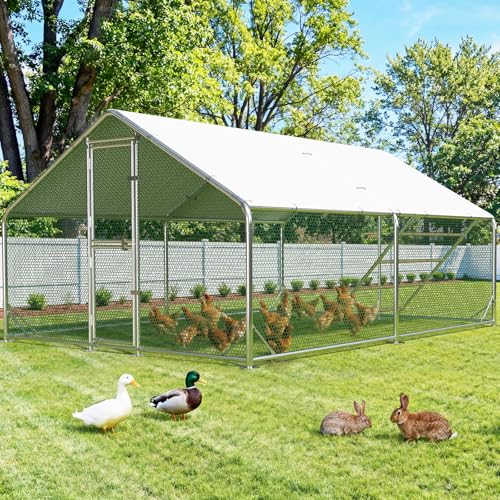
Sannwsg Large Walk-in Chicken Coop & Run
Roomy housing with low access for a heavy, non-flying giant breed.

Manna Pro Layer Pellets Chicken Feed, 16% Protein
Complete layer feed to support a large breed's slow, steady growth and laying.

ZenxyHoC 3.6 Gal Chicken Waterer
Plenty of fresh water for big birds, vital in both heat and cold.
Egg production and egg color
Brahmas are moderate layers with one valuable specialty. Expect roughly 150 to 200 medium to large brown eggs per year, about three or four a week. The headline trait is that Brahmas lay well through the cold winter months, when most breeds slow to almost nothing, so they fill an important seasonal gap in a mixed flock. Because they are a slow-maturing giant breed, pullets often do not start laying until around 6 to 7 months of age.
The eggs are a pleasant medium-brown. To support a large, slow-growing body and steady laying, feed a complete layer ration once they reach point of lay and provide free-choice oyster shell for calcium. Their winter productivity makes them especially worthwhile for northern keepers who otherwise face an empty basket in the cold season.
The gentle giant temperament
For such an imposing bird, the Brahma is remarkably sweet. They are calm, gentle, and docile, quiet and easy to handle, and tolerant of children, which is exactly how they earned the gentle giant nickname. Even the roosters are typically mellow. They move slowly and deliberately and rarely cause trouble in the flock.
That placid nature has one downside: Brahmas are not good at standing up for themselves, so assertive breeds can push them around despite the size difference. Give them space and multiple feed and water stations, and consider housing them with other calm breeds for a peaceful flock.
Exceptional cold hardiness
Cold hardiness is where the Brahma truly shines. Several features stack up in its favor: dense, abundant feathering, feathered legs and feet, a large heat-retaining body mass, and a small pea comb. That pea comb is the key detail, because with so little exposed surface it resists frostbite far better than the tall single comb of breeds like the Leghorn. The result is a bird that sails through hard winters and keeps laying when others quit, making it one of the best choices for cold northern climates.
Heat sensitivity and warm-weather care
The same traits that make Brahmas winter champions make them struggle in extreme heat. Heavy feathering and a large body trap warmth, so Brahmas are more prone to heat stress than lean, sleek breeds. Their feathered legs can also pick up mud and stay damp, which invites problems. In hot climates, provide deep shade, constant cool water, strong coop ventilation, and electrolytes during heat waves, and keep their leg feathering clean and dry to prevent issues.
Size and appearance
Brahmas are one of the largest chicken breeds. Hens weigh around 8 to 10 pounds and roosters can reach 10 to 12 pounds or more, with a tall, deep, broad body, profusely feathered legs and feet, and a small pea comb. The most common colors are light, dark, and buff, all striking. Their bulk shapes their housing needs: sturdy, low roosts, ground-level access since they do not fly, and generous space, at least 4 square feet of coop floor per bird and ideally more for such large birds.
| Trait | Brahma |
|---|---|
| Eggs per year | 150-200 (strong winter layer) |
| Egg color | Brown, medium to large |
| Temperament | Calm, gentle giant, docile |
| Cold hardiness | Exceptional (pea comb, feathered legs) |
| Heat tolerance | Lower (heat-sensitive) |
| Mature weight | Hen ~8-10 lb, rooster ~10-12 lb |
| Broodiness | Occasional (gentle mothers) |
| Best for | Cold climates, winter eggs, calm family flocks |
Broodiness and raising chicks
Brahmas go broody occasionally, and when they do their size and calm nature make them good mothers that can comfortably cover a large clutch. They are not as reliably broody as a Silkie, but a setting Brahma is a capable, gentle hen. If your goal is steady eggs rather than chicks, collect daily and discourage a broody hen early so she returns to laying. Note that their slow maturity means Brahma chicks take longer to feather out and reach full size.
Everyday care
Care is straightforward apart from accommodating their size. Provide a complete feed appropriate to their age and laying status, fresh water at all times, insoluble grit for foragers, and free-choice oyster shell for layers. Offer one nesting box per three to four hens, sturdy low roosts, and secure housing. Keep their feathered legs clean and dry to prevent mud balls and leg mites, and in winter focus on dry, draft-free ventilation rather than added heat, since they handle cold so well.
Backyard Chicken Keepers Planner
Track your chicken's health, meds, vet visits, mobility, nutrition, and quality of life, all in one printable planner.
Is the Brahma right for you?
Choose a Brahma if you want a magnificent, gentle, extremely cold-hardy bird that keeps laying through winter and is wonderful around children. They are ideal for cold climates and calm family flocks. If you live somewhere very hot, want high egg numbers, or need a bird that matures quickly, another breed may suit you better. But for a docile giant that earns its keep in the cold, the Brahma is a magnificent addition to the backyard.
Pet Insurance · Sponsored
Have a Dog or Cat at Home Too? Protect Them From Surprise Vet Bills
Most backyard chicken keepers share their home with a dog or cat as well, and one emergency visit can run into the hundreds or thousands. Pet insurance can help cover surprise vet bills so a sudden cost does not force a hard choice. Get a free quote and see what coverage fits your household.
Frequently Asked Questions
How many eggs do Brahma chickens lay per year?
Brahma hens lay roughly 150 to 200 medium to large brown eggs per year, around three or four a week. They are moderate layers, but their standout trait is laying well through the cold winter months when most breeds nearly stop. Pullets often start laying a bit later than average, sometimes around 6 to 7 months, because this large breed matures slowly. Steady winter eggs are the Brahma's real value.
Are Brahmas really that big?
Yes, Brahmas are one of the largest chicken breeds, earning the nickname gentle giant. Hens weigh around 8 to 10 pounds and roosters can reach 10 to 12 pounds or more, standing tall with a deep, broad body and feathered legs. Despite their imposing size they are calm and docile. Their bulk means they need sturdy low roosts, ample space, and ground-level access since they are not flyers.
Are Brahmas friendly?
Very. Brahmas are famously calm, gentle, and docile, which together with their large size earns them the gentle giant label. They are quiet, easy to handle, and tolerant of children, rarely showing aggression. Even the roosters tend to be mellow. Their placid nature makes them poor at defending themselves, so like other docile breeds they can be pushed around by assertive flock-mates.
Are Brahmas cold-hardy?
Exceptionally. Brahmas are among the most cold-hardy breeds you can keep. Their dense feathering, feathered legs and feet, large body mass, and small pea comb all combine to handle hard winters with ease, and they keep laying through the cold when other breeds stop. The pea comb in particular resists frostbite far better than a tall single comb, making them ideal for northern climates.
Do Brahmas handle heat well?
Less well than cold. The same heavy feathering and large body that make Brahmas so cold-hardy work against them in extreme heat, so they are more prone to heat stress in hot climates. Their feathered legs can also collect mud and stay damp. In hot regions, provide deep shade, constant cool water, strong ventilation, and electrolytes during heat waves, and keep their leg feathering clean and dry.
Do Brahmas go broody?
Occasionally. Brahmas go broody from time to time and, given their size and calm nature, make good, gentle mothers that can comfortably cover a large clutch. They are not as reliably broody as a Silkie, but a broody Brahma is a capable setter. If you want steady eggs rather than chicks, collect daily and gently discourage a broody hen early so she returns to laying.
Need more help with your flock?
Browse our guides by topic to find practical solutions.
Wellness Planner: $39