Delaware Chickens: Heritage Dual-Purpose Breed Guide
A complete guide to Delaware chickens: 200-280 large brown eggs a year, calm friendly temperament, fast growth, hardiness, striking white plumage, size, and care.
The Delaware is a handsome American heritage breed, mostly white with a striking pattern of black barring on the neck and tail. Developed in the 1940s as a fast-growing broiler, it was soon eclipsed by modern hybrids and nearly vanished, but homesteaders have rediscovered it as a calm, hardy dual-purpose bird that lays plenty of large brown eggs and grows out well for the table. If you want a productive, friendly, conservation-worthy breed, the Delaware deserves a look.
Top Picks for Delaware Keepers
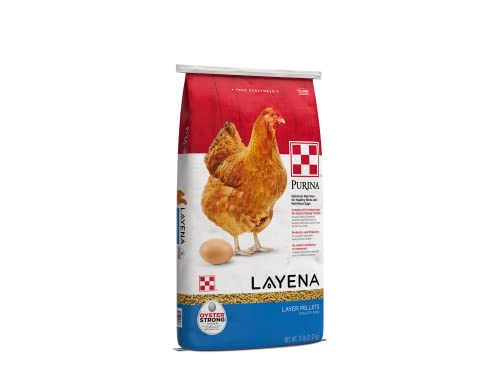
Purina Purina Layena Layer Pellets, 25 lb
Complete 16% protein feed for a productive dual-purpose hen.

Pecking Order Pecking Order Oyster Shell
Free-choice calcium for strong shells on large to jumbo eggs.

VEVOR VEVOR Metal Nesting Boxes, 4-Compartment
Roomy roll-out nests keep big brown eggs clean and crack-free.

Manna Pro Manna Pro Chicken Grit with Probiotics
Insoluble grit helps this active forager digest greens and bugs.
Egg production and egg color
Delawares lay about 200 to 280 large brown eggs a year, a dependable four to five eggs a week. Pullets typically begin around 20 to 24 weeks. They are steady producers that frequently keep laying through winter when many breeds slow down, with the usual dip in the darkest weeks and during molt.
The eggs are a real selling point: large to jumbo as the hen matures, in a medium brown, and consistent in size. The Delaware was developed in part for a good-sized, marketable egg, so it delivers on that front. Feed a complete 16 percent layer ration with free-choice oyster shell to give the hens the calcium those big shells demand.
Temperament and personality
Delawares are calm, friendly, and curious, and they tolerate handling well, which makes them a great fit for new keepers and families. They are confident and active without being flighty or aggressive, and they integrate smoothly into mixed flocks. Many become quite people-oriented with regular gentle contact. That balanced, easygoing temperament, paired with their hardiness and productivity, is a big part of why the breed has earned a loyal following.
They are good foragers and happiest with room to range or a spacious run, where active foraging keeps them fit and helps trim feed costs.
Cold and heat hardiness
Delawares are a well-rounded, hardy breed. Their solid body and good feathering handle cold well, and they often lay through winter. The single comb is the frostbite weak point in hard freezes, so keep winter housing dry and draft-free with good overhead ventilation. Their largely white plumage and active habit also help them tolerate heat better than many heavy breeds, so with shade, cool water, and airflow they stay comfortable through summer in most climates.
Size and appearance
Delawares are a solid dual-purpose breed. Hens weigh about 6.5 pounds and roosters about 8.5 pounds, with a broad, well-fleshed frame from their broiler heritage. The look is distinctive: a clean white body set off by black barring across the hackles, wings, and tail, a pattern related to the Columbian marking. They have a single comb and yellow legs, giving them a bright, tidy appearance. Allow roughly 4 square feet of coop floor per bird plus a generous run.
| Trait | Delaware |
|---|---|
| Eggs per year | 200-280 (large to jumbo) |
| Egg color | Medium brown |
| Temperament | Calm, friendly, curious |
| Cold hardiness | Very good (watch single comb) |
| Heat tolerance | Good |
| Mature weight | Hen ~6.5 lb, rooster ~8.5 lb |
| Broodiness | Occasional |
| Best for | Dual-purpose homesteads, large eggs, heritage flocks |
Broodiness and raising chicks
Delawares go broody only occasionally, since they were bred for production rather than sitting. That keeps egg output high but means you will usually need an incubator, or a broody hen of another breed, to hatch chicks reliably. When a Delaware hen does set, she is generally a capable mother. Thanks to their broiler ancestry, chicks grow quickly and feather out well, reaching point of lay or a good table weight at a brisk pace. Keeping and breeding them also helps conserve a rare American breed.
Everyday care
Care is straightforward. Provide a complete layer feed at point of lay, constant fresh water, insoluble grit for foragers, and free-choice oyster shell to support those large eggs. Offer one roomy nesting box per three to four hens, dry roosts off the floor, and predator-proof housing with good winter ventilation. Keep bedding dry, watch for mites and lice, and give this active, friendly breed room to forage. Do that and your Delawares will reward you with big eggs and easy company.
Backyard Chicken Keepers Planner
Track your chicken's health, meds, vet visits, mobility, nutrition, and quality of life, all in one printable planner.
Is the Delaware right for you?
Choose a Delaware if you want a calm, friendly, hardy dual-purpose breed that lays large brown eggs, grows quickly for the table, and carries the bonus of being a heritage breed worth preserving. It is an excellent homestead and family choice, especially where you want both eggs and meat from one good-natured bird. Keepers chasing the absolute highest egg counts might pick a hybrid, but for productive, friendly, conservation-minded value, the Delaware shines.
Pet Insurance · Sponsored
Have a Dog or Cat at Home Too? Protect Them From Surprise Vet Bills
Most backyard chicken keepers share their home with a dog or cat as well, and one emergency visit can run into the hundreds or thousands. Pet insurance can help cover surprise vet bills so a sudden cost does not force a hard choice. Get a free quote and see what coverage fits your household.
Frequently Asked Questions
How many eggs do Delawares lay per year?
Delawares are strong layers, producing roughly 200 to 280 large brown eggs a year, or about four to five a week. Pullets usually start around 20 to 24 weeks. As a hardy dual-purpose breed they lay dependably and often keep producing through winter when many breeds slow down, with the normal dip during the darkest weeks and the annual molt.
What color eggs do Delawares lay?
Delawares lay large brown eggs, typically a medium brown, and the eggs run large to jumbo as the hen matures. The breed was developed in part for a good-sized, marketable egg, so size and consistency are real strengths. Feeding a complete layer ration with free-choice oyster shell keeps the shells strong enough to handle those big eggs.
Are Delawares friendly and good for beginners?
Yes. Delawares are calm, friendly, and curious, and they tolerate handling well, which makes them a fine choice for new keepers and families. They are confident and active without being flighty or aggressive, and they settle smoothly into a mixed flock. Combined with their hardiness and steady laying, that easygoing nature makes them a forgiving, rewarding breed for beginners.
Are Delawares a rare breed?
Yes. The Delaware was developed in the 1940s as a commercial broiler bird but was quickly overtaken by modern hybrids, and its numbers fell sharply. It is now considered a heritage breed in need of conservation and is listed as one to watch by livestock preservation groups. Keeping Delawares helps support a uniquely American dual-purpose breed, which is part of their appeal for homesteaders.
Are Delawares cold and heat hardy?
Yes, they are a well-rounded, hardy breed. Their solid body and good feathering handle cold well, and they often lay through winter, though the single comb is a frostbite risk in hard freezes, so keep housing dry and draft-free with good ventilation. Their light plumage and active nature also help them tolerate heat better than many heavy breeds, so with shade and cool water they manage warm climates comfortably.
Do Delawares go broody?
Delawares go broody only occasionally. They were bred for production rather than sitting, so most hens keep laying rather than stopping to brood, which helps egg output. When a hen does set, she is generally a capable mother. For reliable hatching, most keepers use an incubator or a broody hen of a more determined sitting breed.
How big do Delawares get?
Delawares are a solid dual-purpose breed. Hens weigh about 6.5 pounds and roosters about 8.5 pounds. They were originally developed as a fast-growing meat bird, so they have a broad, well-fleshed frame while still laying large eggs. Their size and vigor make them a true homestead all-rounder. Plan on about 4 square feet of coop floor per bird plus a generous run.
Need more help with your flock?
Browse our guides by topic to find practical solutions.
Wellness Planner: $39