Langshan Chickens: Tall Heritage Dual-Purpose Guide
A complete guide to Langshan chickens: 150-200 plum-tinted brown eggs a year, calm gentle temperament, cold hardiness, tall stately build, size, and care.
The Langshan is a tall, stately heritage breed from China, prized for its graceful upright stature, glossy plumage, and calm, gentle nature. Beyond its striking looks, it is a genuinely useful dual-purpose bird that lays a good number of brown eggs, often with a distinctive plum tint, and keeps producing through winter. If you want a large, dignified, easygoing chicken that lays well and makes an excellent broody mother, the Langshan is a rewarding and somewhat unusual choice.
Top Picks for Langshan Keepers
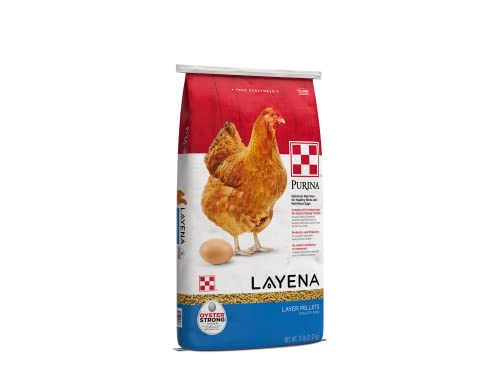
Purina Purina Layena Layer Pellets, 25 lb
Complete 16% protein feed to support a large, steady-laying body.

Pecking Order Pecking Order Oyster Shell
Free-choice calcium for strong, plum-tinted shells.

VEVOR VEVOR Metal Nesting Boxes, 4-Compartment
Roomy roll-out nests sized for a tall, large dual-purpose hen.

ZenxyHoC ZenxyHoC Brooder Plate for Chicks
Safe, low-energy warmth for raising chicks from a broody Langshan.
Egg production and egg color
Langshans lay about 150 to 200 eggs a year, a dependable three to four eggs a week, which is good output for a large heritage breed. Pullets typically begin around 24 to 28 weeks, a little later than lighter breeds because they are big and slow-maturing. A real strength is winter laying: where many breeds slow to a trickle, the Langshan keeps producing, with the usual dip in the darkest weeks and during molt.
The eggs are brown and often carry a distinctive plum or purplish bloom that makes them stand out in the basket. Color depth varies by line and is richest early in the cycle. The eggs are a good size in keeping with the bird's large frame. Feed a complete 16 percent layer ration with free-choice oyster shell to keep those shells strong and well colored.
Temperament and personality
Langshans are calm, gentle, and docile, with the relaxed temperament common to the large Asiatic breeds. They tolerate handling well, are quiet and unflappable rather than flighty, and settle smoothly into mixed flocks, where their size lets them hold their place without bullying. Many become quite people-oriented with regular gentle contact. That easygoing nature, paired with their stately presence, makes them a pleasure to keep and a good fit for families and beginners alike.
They forage willingly and enjoy room to range, though their calm pace means they are also content in a spacious run. Active foraging keeps them fit and helps trim feed costs.
Cold and heat hardiness
Langshans are a hardy, cold-tolerant breed and reliable winter layers. Their dense plumage gives good insulation against hard weather. The single comb is the frostbite risk in deep freezes, so keep winter housing dry and draft-free with good overhead ventilation. Because their legs are lightly feathered down the outer side, keep the run dry and mud-free so feet do not cake with mud or ice in wet or frozen conditions. They tolerate moderate heat with shade and cool water, though as a heavy breed they feel hot weather more than lean breeds do.
Size and appearance
Langshans are a large and notably tall breed. Hens weigh about 7.5 pounds and roosters about 9.5 pounds, and their long-legged, upright carriage makes them look even more imposing. The Black variety is most common, with deep feathers that flash beetle-green in sunlight, and White and Blue also exist. They have a single comb, a deep body, and legs lightly feathered on the outer side. They are a true dual-purpose bird kept for eggs, meat, and their striking stature. Because of their size, give them extra room, at least 4 square feet of coop floor per bird plus a generous run.
| Trait | Langshan |
|---|---|
| Eggs per year | 150-200 |
| Egg color | Brown, often plum-tinted |
| Temperament | Calm, gentle, docile |
| Cold hardiness | Very good (watch single comb) |
| Heat tolerance | Moderate (heavy breed) |
| Mature weight | Hen ~7.5 lb, rooster ~9.5 lb |
| Broodiness | Common, excellent mothers |
| Best for | Dual-purpose, winter eggs, natural hatching |
Broodiness and raising chicks
Langshans go broody fairly readily and make excellent, attentive mothers, a trait shared by the large Asiatic breeds. Their size lets them cover a generous clutch, and their calm temperament makes them reliable, steady setters. That makes the breed a fine choice if you want to hatch and raise chicks the natural way. The trade-off is the pause in laying while a hen sits. Chicks are hardy but grow slowly given the breed's large size, so allow extra time before they reach point of lay or table weight.
Everyday care
Care is straightforward. Provide a complete layer feed at point of lay, constant fresh water, insoluble grit for foragers, and free-choice oyster shell. Offer one roomy nesting box per three to four hens, sturdy low roosts suited to a heavy bird, and predator-proof housing with good winter ventilation. Keep the run dry to protect the lightly feathered legs, keep bedding dry, and watch for mites and lice, paying attention to the leg feathering. Give them room to forage and they thrive.
Backyard Chicken Keepers Planner
Track your chicken's health, meds, vet visits, mobility, nutrition, and quality of life, all in one printable planner.
Is the Langshan right for you?
Choose a Langshan if you want a tall, dignified, gentle dual-purpose breed that lays well into winter, produces distinctive plum-tinted eggs, and makes a superb broody mother. It is an excellent choice for homesteaders who want eggs, meat, and natural hatching from one calm, hardy bird, and for anyone who appreciates a truly striking silhouette in the flock. Keepers tight on space or chasing the highest egg counts might look elsewhere, but for character and capability, the Langshan delivers.
Pet Insurance · Sponsored
Have a Dog or Cat at Home Too? Protect Them From Surprise Vet Bills
Most backyard chicken keepers share their home with a dog or cat as well, and one emergency visit can run into the hundreds or thousands. Pet insurance can help cover surprise vet bills so a sudden cost does not force a hard choice. Get a free quote and see what coverage fits your household.
Frequently Asked Questions
How many eggs do Langshans lay per year?
Langshans are good layers for a large heritage breed, producing roughly 150 to 200 eggs a year, or about three to four a week. Pullets usually start around 24 to 28 weeks, a little later as befits a big, slow-maturing bird. They are valued for laying well through winter when many breeds slow down, with the usual dip during the darkest weeks and the annual molt.
What color eggs do Langshans lay?
Langshans lay brown eggs, often with a distinctive plum or purplish tint or bloom that sets them apart from ordinary brown eggs. The depth of color varies by line and is usually richest early in the laying cycle. The eggs are a good size, in keeping with the breed's large frame. Feeding a complete layer ration with free-choice oyster shell keeps the shells strong and well colored.
Are Langshans friendly and good for beginners?
Yes. Langshans are calm, gentle, and docile, with the easygoing nature common to large Asiatic breeds. They tolerate handling well, settle smoothly into mixed flocks, and are quiet and unflappable rather than flighty, which makes them a fine choice for new keepers and families. Their tall, dignified bearing and friendly disposition make them a pleasure to keep.
What do Langshans look like?
Langshans are a tall, upright breed with a deep body, long legs that are lightly feathered down the outer side, and a graceful, almost glossy appearance. The Black variety is the most common, with beetle-green iridescence on the feathers, and White and Blue also exist. They have a single comb and stand noticeably taller than most breeds, giving them a stately silhouette in the flock.
Are Langshans cold-hardy?
Yes, Langshans are a hardy, cold-tolerant breed that keeps laying through winter better than many. Their dense plumage gives good insulation, and they handle hard weather well. The single comb is the main frostbite risk, so keep winter housing dry and draft-free with good ventilation. Because their legs are lightly feathered, keep the run dry and mud-free to prevent caked feet in wet or frozen conditions. They tolerate moderate heat with shade and cool water.
Do Langshans go broody?
Langshans go broody fairly readily and make excellent, attentive mothers, a trait common to the large Asiatic breeds. Their size lets them cover a good number of eggs, and their calm nature makes them reliable setters and brooders. This makes the breed a good choice if you want to hatch and raise chicks naturally. The trade-off is that a sitting hen pauses her laying for the duration.
How big do Langshans get?
Langshans are a large breed and notably tall. Hens weigh about 7.5 pounds and roosters about 9.5 pounds, and their long-legged, upright build makes them look even bigger. They are a true dual-purpose bird, kept for both eggs and a good meat carcass, as well as for their striking stature. Their size means they need a bit more room, so plan on about 4 square feet of coop floor per bird, ideally more, plus a generous run.
Need more help with your flock?
Browse our guides by topic to find practical solutions.
Wellness Planner: $39