New Hampshire Red Chickens: Dual-Purpose Breed Guide
A complete guide to New Hampshire Red chickens: 200-280 large brown eggs a year, fast-maturing dual-purpose build, hardiness, temperament, size, and care.
The New Hampshire Red is a classic American dual-purpose breed, developed from the Rhode Island Red and selected for faster growth, earlier maturity, and a hearty carcass. The result is a vigorous, hardy homestead bird that lays plenty of large brown eggs and fills out quickly for the table. If you want one tough, productive, no-nonsense breed that does double duty for eggs and meat, the New Hampshire Red is a proven workhorse.
Top Picks for New Hampshire Red Keepers
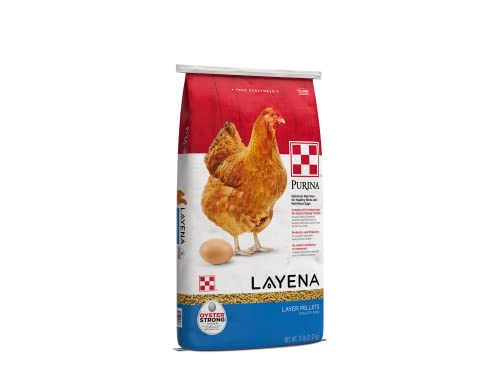
Purina Purina Layena Layer Pellets, 25 lb
Complete 16% protein feed for a hungry, hard-working dual-purpose hen.

Pecking Order Pecking Order Oyster Shell
Free-choice calcium for strong shells on large brown eggs.
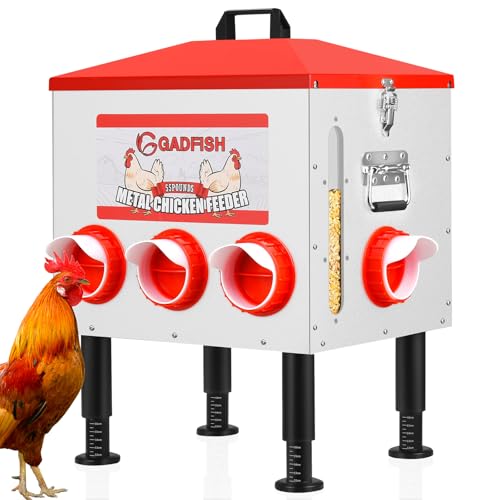
GADFISH 55 lb Automatic Chicken Feeder
No-waste feeder suits this breed's healthy, competitive appetite.

Manna Pro Manna Pro Chicken Grit with Probiotics
Insoluble grit helps an active forager digest greens and bugs.
Egg production and egg color
New Hampshire Reds lay about 200 to 280 large brown eggs a year, a dependable four to five eggs a week. Because the breed was selected for fast maturity, pullets often start a little earlier than heritage breeds, around 18 to 21 weeks. They lay steadily through most of the year and frequently keep producing into winter, with the normal slowdown in the darkest weeks and during molt.
The eggs are large and a medium to rich brown, sometimes a touch deeper in color than a standard Rhode Island Red. They are consistent and good-sized, which is a big part of the breed's homestead appeal. Feed a complete 16 percent layer ration with free-choice oyster shell to keep those large shells strong and laying reliable.
Temperament and personality
New Hampshire Reds are generally friendly and calm with people, but they are confident, assertive birds with a big appetite, and they can be pushy at the feeder. Hens tend to be easygoing and tolerate handling, while roosters can be more dominant, which is common across the red breeds. They are active, capable foragers that hold their own in a mixed flock. Provide enough feeder space so the boldest birds do not crowd out the rest and they manage well together.
Their vigor and foraging drive make them happiest with room to range or a large run, where active foraging keeps them fit and helps trim feed costs.
Cold and heat hardiness
New Hampshire Reds are a well-rounded, hardy breed. Their solid body and good feathering handle cold well, and they often lay through winter when lighter breeds stop. The single comb is the frostbite weak point in hard freezes, so keep winter housing dry and draft-free with good overhead ventilation. They also tolerate heat reasonably well for a heavier bird, so with shade, cool water, and airflow they stay comfortable through summer across most climates.
Size and appearance
New Hampshire Reds are a solid dual-purpose breed. Hens weigh about 6.5 pounds and roosters about 8.5 pounds, with a deep, well-fleshed frame built for both eggs and meat. The plumage is a warm chestnut to light red, typically lighter and brighter than the deep mahogany of a Rhode Island Red, often with darker tail feathers. They have a single comb and yellow legs. Allow roughly 4 square feet of coop floor per bird plus a generous run.
| Trait | New Hampshire Red |
|---|---|
| Eggs per year | 200-280 (large) |
| Egg color | Medium to rich brown |
| Temperament | Friendly but assertive |
| Cold hardiness | Very good (watch single comb) |
| Heat tolerance | Good |
| Mature weight | Hen ~6.5 lb, rooster ~8.5 lb |
| Broodiness | Moderate |
| Best for | Dual-purpose homesteads, fast growth, brown eggs |
Broodiness and raising chicks
New Hampshire Reds go broody more readily than most production breeds, and broody hens usually make decent, attentive mothers, which is handy if you want to hatch your own chicks. The trade-off is the occasional pause in laying while a hen sits. Thanks to the breed's selection for fast maturity, chicks grow and feather quickly and reach point of lay or a respectable table weight sooner than many heritage breeds, which is exactly why the New Hampshire was developed.
Everyday care
Care is straightforward. Provide a complete layer feed at point of lay, constant fresh water, insoluble grit for foragers, and free-choice oyster shell. Because these are big-appetite, assertive birds, give plenty of feeder space so no one gets bullied off the feed. Offer one nesting box per three to four hens, dry roosts off the floor, and predator-proof housing with good winter ventilation. Keep bedding dry, watch for mites and lice, and give them room to forage.
Backyard Chicken Keepers Planner
Track your chicken's health, meds, vet visits, mobility, nutrition, and quality of life, all in one printable planner.
Is the New Hampshire Red right for you?
Choose a New Hampshire Red if you want a hardy, vigorous dual-purpose breed that lays plenty of large brown eggs, grows quickly for the table, and forgives beginner mistakes. It is an excellent homestead all-rounder, especially where you want both eggs and meat from one tough breed. Keepers wanting a docile, cuddly lap chicken might prefer something gentler, but for productive, self-reliant value, the New Hampshire Red delivers.
Pet Insurance · Sponsored
Have a Dog or Cat at Home Too? Protect Them From Surprise Vet Bills
Most backyard chicken keepers share their home with a dog or cat as well, and one emergency visit can run into the hundreds or thousands. Pet insurance can help cover surprise vet bills so a sudden cost does not force a hard choice. Get a free quote and see what coverage fits your household.
Frequently Asked Questions
How many eggs do New Hampshire Reds lay per year?
New Hampshire Reds are strong layers, producing roughly 200 to 280 large brown eggs a year, or about four to five a week. Pullets usually start around 18 to 21 weeks, a little earlier than many heritage breeds because the breed was selected for fast maturity. They lay dependably through most of the year, with the usual slowdown during deep winter and the annual molt.
What color eggs do New Hampshire Reds lay?
New Hampshire Reds lay large brown eggs, typically a medium to rich brown, sometimes with a slightly deeper tint than a standard Rhode Island Red. The eggs are good-sized and consistent, which is part of why the breed remains popular on homesteads. Feeding a complete layer ration with free-choice oyster shell keeps the shells strong and the supply steady.
What is the difference between a New Hampshire Red and a Rhode Island Red?
The New Hampshire was developed from the Rhode Island Red, selected for faster growth and earlier maturity, so it is a related but distinct breed. New Hampshires are typically a lighter, more chestnut red than the deep mahogany of a Rhode Island Red, and they tend to mature and feather a bit quicker. Both are hardy dual-purpose brown-egg layers, but the New Hampshire leans slightly more toward meat and early production.
Are New Hampshire Reds friendly?
New Hampshire Reds are generally friendly and calm with people, though they are assertive birds with a healthy appetite and can be pushy at the feeder. Hens are usually easygoing and tolerate handling, while roosters can be more dominant, as is common in the red breeds. They are confident, active foragers that hold their own in a mixed flock, making them a good fit for keepers who want a hardy, productive, no-fuss bird.
Are New Hampshire Reds cold and heat hardy?
Yes, they are a well-rounded, hardy breed. Their solid body and good feathering handle cold well, and they often keep laying through winter, though the single comb is a frostbite risk in hard freezes, so keep housing dry and draft-free with good ventilation. They also tolerate heat reasonably well for a heavier bird, so with shade, cool water, and airflow they stay comfortable across most backyard climates.
Do New Hampshire Reds go broody?
New Hampshire Reds go broody more readily than many production breeds, and broody hens are usually decent, attentive mothers. This makes them a practical choice if you want to hatch and raise your own chicks. The trade-off is that a sitting hen pauses her laying, so if maximum egg output is your goal, expect the occasional broody break during the season.
How big do New Hampshire Reds get?
New Hampshire Reds are a solid dual-purpose breed. Hens weigh about 6.5 pounds and roosters about 8.5 pounds. They were bred for fast growth and a good meat carcass alongside their laying, so they have a hearty, well-fleshed frame. Their size and vigor make them a true homestead all-rounder. Plan on about 4 square feet of coop floor per bird plus a generous run.
Need more help with your flock?
Browse our guides by topic to find practical solutions.
Wellness Planner: $39