Plymouth Rock Chickens: Barred Rock Breed Guide
A full guide to Plymouth Rock (Barred Rock) chickens: 200-280 brown eggs a year, friendly temperament, excellent cold hardiness, size, and backyard care.
The Plymouth Rock, most often seen in its handsome black-and-white Barred variety, is one of America's oldest and most beloved backyard breeds. Friendly, hardy, and a dependable layer, the Rock built its reputation on farms a century ago and has never lost it. For keepers who want a calm, attractive, dual-purpose bird that lays well even through cold winters, the Plymouth Rock is a classic choice that rarely disappoints.
Top Picks for Plymouth Rock Keepers

Manna Pro Layer Pellets Chicken Feed, 16% Protein
Complete layer ration for a steady, heavy dual-purpose producer.
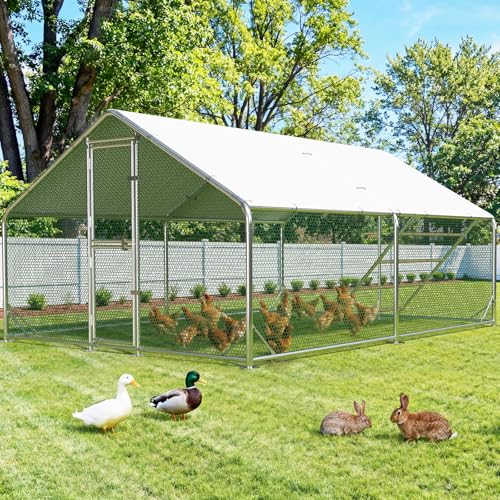
Sannwsg Large Walk-in Metal Chicken Coop & Run
Spacious housing for a heavy breed that tolerates confinement well.

VEVOR Metal Chicken Nesting Boxes, 4-Compartment
Roll-out nests keep large brown eggs clean from a reliable layer.

Pecking Order Oyster Shell Calcium Supplement
Free-choice calcium for strong shells through the laying season.
Egg production and egg color
Plymouth Rocks are steady, productive layers. Expect roughly 200 to 280 large brown eggs per year, which works out to four or five eggs a week from a healthy hen. One of the breed's standout traits is that it lays well into cold weather, when many breeds slow to a trickle, making it a smart pick for northern keepers who want winter eggs. Pullets typically start laying around 18 to 20 weeks of age.
The eggs are large and a warm medium-brown. To keep production strong, feed a complete 16 percent layer ration and provide free-choice oyster shell for calcium. As with every breed, output dips during the annual molt and the darkest weeks of winter, then rebounds in spring.
Temperament and personality
Plymouth Rocks are famous for their easygoing, friendly nature. They are calm, curious, and sociable, often trailing after their keeper and tolerating handling well, which makes them excellent for families and first-time chicken owners. They settle peacefully into mixed flocks and rarely bully or get bullied. Even the roosters are typically good-natured, though individual personalities always vary.
They are active foragers that enjoy free-ranging but also tolerate confinement better than flightier breeds, so they do fine in a secure run when free-ranging is not practical. Their relaxed temperament and striking barred plumage make them as pleasant to watch as they are productive.
Cold and heat hardiness
Cold hardiness is a major strength. The Rock's heavy body and dense feathering carry it comfortably through hard winters, and its reputation for laying through the cold season sets it apart. The single comb is the one frostbite-prone feature, so keep the winter coop dry and well-ventilated without drafts, since trapped moisture causes frostbite far more than cold air itself.
They handle heat reasonably well for a heavy breed as long as you provide shade, constant cool water, and good coop airflow. Watch for panting on the hottest days and add electrolytes during heat waves to keep them comfortable.
Size and appearance
Plymouth Rocks are a large dual-purpose breed. Hens weigh around 7.5 pounds and roosters around 9.5 pounds. The Barred variety, with its crisp black-and-white striping, is the most recognizable, but the breed also comes in white, buff, partridge, and other colors. Their size means they need real space and sturdy, low roosts. Plan on about 4 square feet of coop floor per bird plus 8 to 10 square feet each in the run.
| Trait | Plymouth Rock |
|---|---|
| Eggs per year | 200-280 |
| Egg color | Brown, large |
| Temperament | Friendly, calm, sociable |
| Cold hardiness | Excellent (winter layer) |
| Heat tolerance | Good with shade and water |
| Mature weight | Hen ~7.5 lb, rooster ~9.5 lb |
| Broodiness | Occasional (good mothers) |
| Best for | Cold climates, families, winter eggs |
Broodiness and raising chicks
Plymouth Rocks land in the middle on broodiness. They go broody more often than production breeds but less reliably than dedicated setters, and when a Rock does decide to sit, she generally makes a calm, capable mother. That flexibility suits keepers who want consistent eggs most of the time with the occasional chance to hatch a clutch naturally. If you only want eggs, collect daily and break any unwanted broody spell early.
Everyday care
Care is simple and well suited to beginners. Offer a complete layer feed once pullets reach point of lay, fresh water at all times, insoluble grit for foragers, and free-choice oyster shell. Provide one nesting box per three to four hens, dry roosts off the floor, and secure predator-proof housing. Keep bedding dry, check now and then for mites and lice, and your Rocks will keep producing for years.
Backyard Chicken Keepers Planner
Track your chicken's health, meds, vet visits, mobility, nutrition, and quality of life, all in one printable planner.
Is the Plymouth Rock right for you?
Choose a Plymouth Rock if you want a friendly, attractive, genuinely cold-hardy bird that keeps the egg basket full even through winter. It is an ideal beginner and family breed, productive without being high-strung, and handsome in the yard. If you need the absolute highest egg numbers you might lean toward an Australorp or Leghorn, but for a well-rounded, dependable all-purpose chicken, the Barred Rock is a timeless pick.
Pet Insurance · Sponsored
Have a Dog or Cat at Home Too? Protect Them From Surprise Vet Bills
Most backyard chicken keepers share their home with a dog or cat as well, and one emergency visit can run into the hundreds or thousands. Pet insurance can help cover surprise vet bills so a sudden cost does not force a hard choice. Get a free quote and see what coverage fits your household.
Frequently Asked Questions
How many eggs do Plymouth Rock chickens lay per year?
Plymouth Rock hens, including the popular Barred Rock variety, lay roughly 200 to 280 large brown eggs per year, or about four or five eggs a week. They are steady, dependable producers that lay well into cooler weather better than many breeds. Pullets usually start laying around 18 to 20 weeks of age. Production tapers during molt and the shortest winter days but resumes reliably each spring.
Are Barred Rocks and Plymouth Rocks the same thing?
Barred Rock is the most common color variety of the Plymouth Rock breed, not a separate breed. The Plymouth Rock comes in several colors including barred, white, buff, and partridge, but the black-and-white barred pattern is so popular that many people use Barred Rock and Plymouth Rock interchangeably. All varieties share the same friendly temperament, dual-purpose build, and reliable brown-egg laying.
Are Plymouth Rocks friendly?
Yes. Plymouth Rocks are known for being calm, friendly, and easy to handle, which makes them a favorite for families and beginners. They are curious and sociable without being flighty, often following keepers around the yard. Most settle peacefully into the flock and tolerate confinement well. Roosters are generally good-natured too, though as with any breed individual temperament varies.
Are Plymouth Rocks cold-hardy?
Very cold-hardy. Their heavy body and dense feathering make them well suited to cold climates, and they are known for laying through winter better than many breeds. The single comb can be vulnerable to frostbite in hard freezes, so keep the coop dry and draft-free, since moisture drives frostbite more than cold air. They handle heat reasonably well too with shade and cool water.
How big do Plymouth Rock chickens get?
Plymouth Rocks are a large dual-purpose breed. Hens weigh around 7.5 pounds and roosters around 9.5 pounds. Their solid frame made them a homestead staple for both eggs and meat. That size means they need ample space, about 4 square feet of coop floor per bird plus 8 to 10 square feet each in the run, along with sturdy, low roosts since they are heavy birds.
Do Plymouth Rocks go broody?
Occasionally. Plymouth Rocks go broody more than production layers like Leghorns but less reliably than dedicated setters like Silkies or Orpingtons. When a Rock does go broody she usually makes a good, attentive mother. If you want steady eggs and not chicks, collect eggs daily and gently discourage a broody hen early so she returns to laying.
Need more help with your flock?
Browse our guides by topic to find practical solutions.
Wellness Planner: $39