Pasty Butt in Chicks: How to Spot, Treat, and Prevent It
Pasty butt is a common, treatable problem in baby chicks. Learn what causes it, how to safely clean a blocked vent, and how to prevent it in your brooder.
Pasty butt is one of the most common problems new chick keepers run into, and while it looks alarming, it is simple to treat and even simpler to prevent once you know what is going on. The short version: a daily check of each chick's bottom during the first couple of weeks, plus a steady brooder temperature and clean water, will keep this problem from ever becoming serious. Here is everything you need to know to handle it confidently.
Helpful for Stressed Chicks

Sav-A-Chick Poultry Electrolyte and Vitamin Supplement
Add to water to help rehydrate and support shipped or stressed chicks.
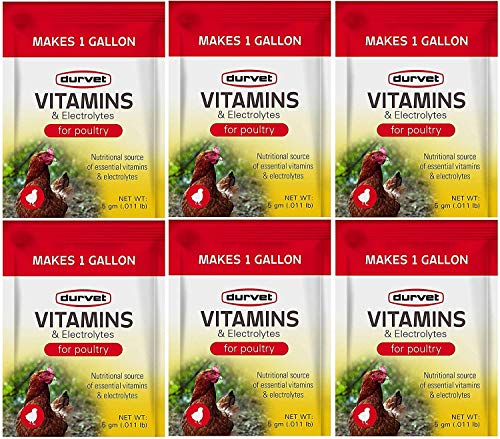
Durvet Vitamins and Electrolytes for Poultry
A budget multipack to keep on hand for brooder emergencies and recovery.

ZenxyHoC Brooder Heating Plate with Anti-Roost Cone
A stable, even heat source helps prevent the chilling that triggers pasty butt.
What Pasty Butt Is
Pasty butt, sometimes called pasting up, happens when soft droppings dry and cake over a chick's vent, the single opening it uses to pass waste. As more droppings accumulate, the vent can seal shut entirely. Because a chick cannot eliminate through a blocked vent, the condition can turn fatal within a day or two if it is missed. It shows up most often in the first week or two of life, and shipped chicks are especially prone to it because the stress of travel upsets their tiny systems.
The reason it matters so much is simply that the consequences move fast in such a small animal. The reassuring news is that a chick caught early and cleaned up almost always recovers completely and goes on to thrive.
What Causes It
Pasty butt is fundamentally a stress response. The biggest culprit is temperature: chicks that get chilled or overheated, or that live in a brooder where the temperature swings around, are far more likely to paste up. This is why shipped chicks, who endure cold and heat in transit, see it so often. Other contributors include dehydration, abrupt diet changes, and poor-quality feed. Understanding the cause points straight to the fix, because nearly all of these triggers come back to a stable, warm brooder and reliable access to clean water.
How to Spot It
Spotting pasty butt takes only a few seconds per chick. During the first couple of weeks, gently pick up each chick each day and look at its rear end. A healthy vent is clean and clear. A pasted chick will have a crusty, caked buildup of dried droppings over or around the vent, sometimes with matted down. Make this quick bottom check a daily habit, ideally at feeding time, so you catch any blockage while it is still easy to clear.
Backyard Chicken Keepers Planner
Track your chicken's health, meds, vet visits, mobility, nutrition, and quality of life, all in one printable planner.
How to Treat It Safely
Treatment is gentle and straightforward. The golden rule is never to pull dried droppings off dry, because that can tear the delicate skin or injure the vent itself. Instead:
- Soften first: hold a warm, damp cloth against the caked area, or run the chick's bottom under gently flowing warm water, until the mass loosens.
- Wipe carefully: ease the softened droppings away with the cloth or your fingers, taking care around the vent.
- Dry the chick: pat the area dry and make sure the chick is not left damp and chilled. A few minutes of gentle warmth helps.
- Prevent re-sticking: dab a tiny bit of petroleum jelly on the cleaned area to discourage droppings from clinging again.
- Return to warmth: put the chick back in the warm brooder and recheck it in a few hours, since stubborn cases may need a second cleaning.
How to Prevent It
Prevention is mostly about removing the stressors that cause pasting in the first place. Keep your brooder at the correct, steady temperature, about 95 degrees in week one and dropping roughly 5 degrees per week, and position the heat at one end so chicks can self-regulate. Avoid drafts and sudden temperature swings. Provide clean, room-temperature water at all times, and for the first day or two after chicks arrive, electrolytes and vitamins in the water help them rehydrate and settle. Feed a quality chick starter and keep the brooder dry and clean.
If just one chick pastes up, it is no cause for alarm, simply clean it and watch it. But if several chicks are affected, treat it as a flock-wide warning that something in the environment is off, almost always the temperature, and recheck your setup right away. Persistent or worsening problems, or any chick that seems sick beyond a blocked vent, warrant a call to a poultry vet or your local extension office. With daily checks and a stable brooder, pasty butt stays the minor, manageable issue it should be.
Pet Insurance · Sponsored
Have a Dog or Cat at Home Too? Protect Them From Surprise Vet Bills
Most backyard chicken keepers share their home with a dog or cat as well, and one emergency visit can run into the hundreds or thousands. Pet insurance can help cover surprise vet bills so a sudden cost does not force a hard choice. Get a free quote and see what coverage fits your household.
Frequently Asked Questions
What is pasty butt in baby chicks?
Pasty butt, also called pasting up, is when droppings dry and cake over a chick's vent, the opening it uses to pass waste. The blockage can quickly become life-threatening because the chick cannot eliminate. It is most common in the first week or two of life, especially in shipped chicks, and it is easy to spot and treat if you check your chicks daily.
What causes pasty butt in chicks?
The most common trigger is stress, particularly the chilling, overheating, and dehydration that come with shipping or an unstable brooder temperature. Diet changes, poor-quality feed, and dehydration also contribute. Because temperature swings are such a big factor, keeping the brooder at the correct, steady warmth and providing clean water are the best ways to prevent it.
How do I treat pasty butt?
Soften the dried droppings with a warm, damp cloth or by holding the chick's bottom under gently running warm water, then carefully wipe the mass away. Never pull it off dry, since that can tear the skin or damage the vent. Pat the area dry, apply a tiny dab of petroleum jelly to discourage sticking, and return the chick to the warm brooder. Check again in a few hours.
Is pasty butt dangerous?
Yes, it can be fatal if left untreated. A fully blocked vent means the chick cannot pass droppings, and waste backs up internally. Caught early, it is simple to clear and chicks recover fully. That is why a daily bottom check during the first two weeks is so important. Once chicks are past the first couple of weeks, pasty butt becomes much less common.
How can I prevent pasty butt?
Keep the brooder temperature correct and stable, around 95 degrees in week one dropping about 5 degrees per week, and avoid drafts and chilling. Provide clean, room-temperature water at all times, and consider adding electrolytes for the first day or two after shipping. Feed a quality chick starter. A small amount of plain probiotic or a sprinkle of finely ground feed can also help settle digestion in stressed chicks.
Can I add anything to the water to help?
Yes. A poultry electrolyte and vitamin supplement in the water for the first day or two helps newly shipped or stressed chicks rehydrate and recover, which reduces pasty butt. Some keepers also offer a poultry probiotic to support healthy digestion. Always provide plain clean water as well, and never let the waterer run dry, since dehydration is a key contributor to pasting.
Should I worry if only one chick has pasty butt?
A single case is common and usually just reflects that one chick got a bit stressed or chilled. Clean it up, monitor that chick, and keep an eye on the rest. If many chicks are pasting up, treat it as a flock-wide signal that something is off, most often the brooder temperature, and recheck your heat, water, and feed right away to fix the underlying cause.
Need more help with your flock?
Browse our guides by topic to find practical solutions.
Wellness Planner: $39