Layer Feed vs. All-Flock Feed: Which to Feed
Compare layer feed and all-flock feed for backyard chickens: protein, calcium, who each is for, oyster shell needs, and how to choose the right ration for your flock.
Stand in the feed aisle and you will see two tempting options for grown birds: layer feed and all-flock (or flock raiser) feed. They look similar and cost about the same, but they are built for different flocks. Layer feed is tuned for hens that are actively laying, while all-flock feed is a flexible ration for mixed groups of ages and species. Picking the right one comes down to who is in your flock and one key nutrient: calcium. This guide breaks down the difference so you can feed your birds correctly and avoid a common, avoidable mistake.
Reliable Layer and All-Flock Options

Manna Pro Layer Pellets, 16% Protein with Calcium
Complete layer ration with added calcium and probiotics for strong shells and steady laying.
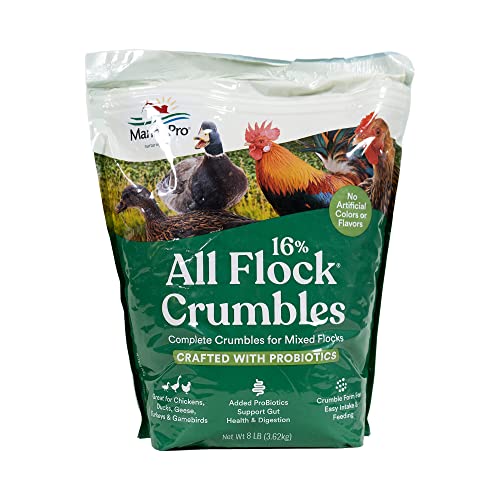
Manna Pro All Flock Crumbles, 16% Protein
Lower-calcium crumble for mixed flocks of chickens, ducks, and other poultry of any age.
Quick Comparison
| Factor | Layer Feed | All-Flock Feed |
|---|---|---|
| Best for | Same-age laying hens | Mixed ages and species |
| Protein | About 16% | Often 18 to 20% |
| Calcium | High, built in | Low, add oyster shell |
| Safe for roosters and chicks | No, calcium too high | Yes |
| Oyster shell needed | Optional top-up | Required for layers |
| Simplicity | One bag for layers | One bag for whole flock |
What Layer Feed Is For
Layer feed is purpose-built for hens in active production. It usually runs about 16 percent protein and, most importantly, carries a high level of added calcium to support the constant demand of building eggshells. A hen laying near her peak can produce 250 to 300 eggs a year, and each shell pulls a surprising amount of calcium from her body. Layer feed replaces it. For a flock made up entirely of laying hens of similar age, layer feed is the simplest, most efficient choice because everything the hens need is already in the bag.
The limitation is that the same high calcium that helps laying hens can harm birds that are not laying. Roosters, growing pullets, chicks, and hens in molt do not need that calcium load, and over time it can stress their kidneys. That is why layer feed is not a good single ration for a varied flock.
What All-Flock Feed Is For
All-flock feed, sometimes labeled flock raiser, is the flexible option. It typically carries higher protein, often 18 to 20 percent, and deliberately keeps calcium low so it is safe for every bird in a mixed group: laying hens, roosters, growing chicks past the starter stage, and other poultry such as ducks and turkeys. If your flock spans different ages or species, all-flock lets you buy and store a single feed instead of juggling several bags.
Because the calcium is kept low for safety, the one thing all-flock feed does not provide is enough calcium for laying hens. You make up that gap with free-choice oyster shell, described below. With that simple addition, all-flock feed handles the whole flock well.
Backyard Chicken Keepers Planner
Track your chicken's health, meds, vet visits, mobility, nutrition, and quality of life, all in one printable planner.
The Calcium Question and Oyster Shell
Calcium is the heart of this decision. Hens building shells need plenty of it, but non-laying birds are harmed by too much. Layer feed solves this by including high calcium and assuming everyone eating it is a laying hen. All-flock feed solves it the opposite way: keep calcium low for safety, then let the layers top themselves up from a separate dish of crushed oyster shell offered free choice. Hens are good at eating only as much oyster shell as they need, so this approach is both safe and self-regulating. If you feed all-flock to a flock with layers, the oyster shell dish is not optional.
How to Choose
Match the feed to your flock. If you keep only laying hens of similar age, choose layer feed for its built-in calcium and one-bag simplicity. If you keep a mixed flock with roosters, growing birds, or multiple poultry species, choose all-flock feed and set out free-choice oyster shell for the layers. Both rations should be fed as the main diet, with treats kept under about 10 percent of intake, plus constant access to fresh water and grit so the birds can digest their food. Get the base feed right and the rest of good nutrition falls into place.
Pet Insurance · Sponsored
Have a Dog or Cat at Home Too? Protect Them From Surprise Vet Bills
Most backyard chicken keepers share their home with a dog or cat as well, and one emergency visit can run into the hundreds or thousands. Pet insurance can help cover surprise vet bills so a sudden cost does not force a hard choice. Get a free quote and see what coverage fits your household.
Frequently Asked Questions
What is the difference between layer feed and all-flock feed?
Layer feed is formulated for hens in active production, with around 16 percent protein and high added calcium for strong eggshells. All-flock (or flock raiser) feed is a higher-protein, lower-calcium ration designed for mixed groups of different ages and species. The big practical difference is calcium: layer feed has plenty built in, while all-flock keeps calcium low so it is safe for non-laying birds.
Can roosters and chicks eat layer feed?
They should not eat it as a main diet. The high calcium in layer feed is meant for laying hens and can stress the kidneys of roosters, chicks, and molting or non-laying birds over time. For a mixed flock with roosters, growing birds, or other poultry, all-flock feed is the safer single ration. Offer oyster shell separately so the layers can top up their own calcium.
Do I need oyster shell with all-flock feed?
Yes, if you have laying hens. All-flock feed keeps calcium low to protect non-laying birds, so your hens need a separate source to build strong shells. Offer crushed oyster shell free choice in its own dish, and the hens will eat what they need. This combination, all-flock feed plus free-choice oyster shell, is the standard way to feed a mixed-age or mixed-species flock safely.
Is all-flock feed good for laying hens?
It can be, as long as you provide free-choice oyster shell for calcium. Many keepers run their whole flock on all-flock feed for simplicity, since one bag works for hens, roosters, and growing birds. The hens make up the calcium difference from the oyster shell dish. If your flock is all laying hens of the same age, though, a dedicated layer feed is the simpler choice.
When should I switch chicks to layer or all-flock feed?
Keep chicks on starter or grower feed until they reach point of lay, around 18 weeks. At that point laying hens can move to layer feed, or you can transition the whole group to all-flock feed with oyster shell on the side. Switching to high-calcium layer feed too early, before birds are laying, can harm their developing kidneys and bones, so wait for maturity.
Which feed is more economical?
It depends on your flock. If you keep only same-age laying hens, layer feed is efficient because the calcium is already included and you buy one bag. If you keep a mixed flock, all-flock feed plus a bag of oyster shell often costs less overall than buying separate rations for each group. Buy the size that you will use within a couple of months to keep feed fresh.
Need more help with your flock?
Browse our guides by topic to find practical solutions.
Wellness Planner: $39