Chicken Run Size and Setup: A Complete Guide
How big should a chicken run be, and how do you set it up? Learn space per bird, predator-proof fencing, covers, drainage, footing, and enrichment for a healthy flock.
The run is your flock's daytime world, the place where chickens scratch, dust-bathe, forage, and soak up sun. A good run keeps birds active, healthy, and safe, while a cramped or poorly built one breeds boredom, mud, and predator losses. Setting one up well is not complicated, but it pays to get the size, security, drainage, and enrichment right from the start. This guide walks through everything you need to build a run your chickens will thrive in, from how much space they need to how to keep predators out and mud at bay.
Run Setup Essentials
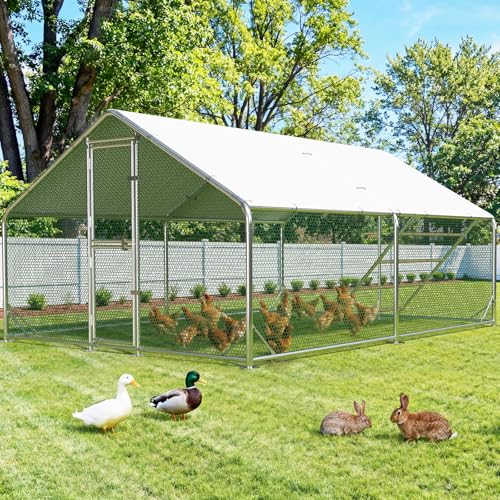
Sannwsg Metal Walk-in Chicken Run, 13x10 ft
A large covered walk-in run that gives birds room to roam and keeps predators out.

BSTPCOO Bird Netting for Chicken Run, 50x50 ft
Overhead netting to deter hawks and aerial predators from an open-topped run.
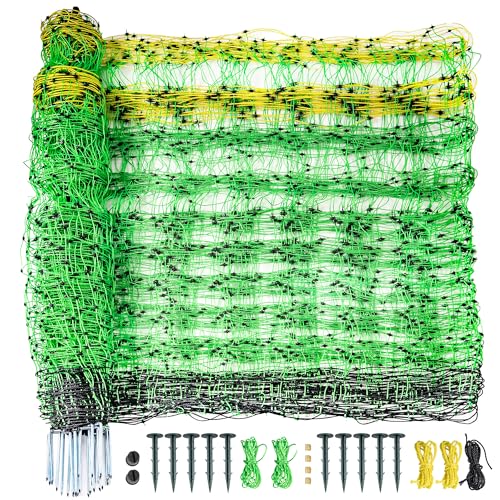
PPOLB Electric Poultry Fence Netting
Portable electric netting for larger ranging areas and extra predator protection.
How Much Run Space Do Chickens Need?
The working guideline is at least 8 to 10 square feet of run space per standard-sized bird. So a flock of six hens wants roughly 48 to 60 square feet of run at a minimum. These figures assume birds also get some time to range or move around. If your flock will be confined to the run most of the time, lean toward the high end or beyond, because birds with nowhere else to go need more room to stay content. As with coops, the most common regret is building too small, so when your yard allows it, make the run bigger than the minimum. A spacious run reduces boredom, pecking, and the muddy, overused ground that comes from packing birds too tightly.
Cover Your Run
An open-topped run leaves your flock exposed to the sky, and hawks and owls are patient, effective predators. A cover is one of the best investments you can make. A solid roof over part or all of the run provides shade, keeps rain and snow out, and blocks both aerial and climbing predators. Where a full roof is not practical, overhead bird netting strung across the run deters hawks and keeps birds from flying out. A covered run is dramatically safer and more weatherproof than an open one, and it makes the space usable in all kinds of weather.
Predator-Proof Fencing
Run fencing has one job above all: keeping predators out. This is where many setups fall short by relying on standard chicken wire, which holds chickens in but does little against a determined raccoon, fox, or weasel. For any part of the run that must be secure, especially the lower sections and anywhere a predator could reach in, use half-inch hardware cloth. Just as important, stop diggers by burying the mesh several inches into the ground or laying a skirt of hardware cloth flat along the perimeter, so animals that try to tunnel under hit wire instead of soft soil. For larger ranging areas or daytime protection, electric poultry netting adds a powerful deterrent.
Backyard Chicken Keepers Planner
Track your chicken's health, meds, vet visits, mobility, nutrition, and quality of life, all in one printable planner.
Drainage and Footing
Mud is the enemy of a healthy run. Wet, churned-up ground breeds bacteria, causes foot problems like bumblefoot, and makes the whole area smell. The fix starts with drainage. Site the run on higher ground if you can, and divert roof runoff and surface water away from it. Then choose footing that drains and can be refreshed: coarse sand, wood chips, or mulch all work well and let water pass through rather than pooling. Avoid low, soggy spots entirely. If your run does get muddy, the answer is almost always better drainage plus fresh, drainable footing, not just more cleaning.
Setting Up for Daily Use
A well-equipped run makes daily life easy for both you and your birds. Make sure the run includes:
- Shade and shelter: A covered area or shade structure so birds can escape sun and rain.
- Fresh water: Accessible water in the run, especially important in hot weather.
- A dust-bathing area: A patch of dry, loose soil or sand where birds can clean their feathers and control parasites.
- Secure access: A gate or door with predator-proof latches, sized for you to enter and clean easily.
Don't Forget Enrichment
Bored chickens are unhappy chickens, and boredom leads to pecking, feather picking, and squabbling, especially in smaller or fully enclosed runs. Keep your flock engaged with simple enrichment: low perches and platforms to hop onto, hanging greens or treats to peck, and piles of leaves or mulch to scratch through. A dust-bathing area doubles as entertainment. The more interesting and varied the run, the calmer and healthier your birds will be. A little enrichment turns a plain enclosure into a space your flock genuinely enjoys.
Putting It All Together
A great chicken run is spacious, covered, predator-proof, well-drained, and interesting. Start with 8 to 10 square feet per bird and go bigger if you can, cover the top against hawks and weather, fence with hardware cloth and a dig-proof skirt, choose drainable footing, and add enrichment to keep birds busy. Build the run to these standards and your flock will spend its days scratching, dust-bathing, and foraging in safety, which is exactly what makes for content, productive chickens.
Pet Insurance · Sponsored
Have a Dog or Cat at Home Too? Protect Them From Surprise Vet Bills
Most backyard chicken keepers share their home with a dog or cat as well, and one emergency visit can run into the hundreds or thousands. Pet insurance can help cover surprise vet bills so a sudden cost does not force a hard choice. Get a free quote and see what coverage fits your household.
Frequently Asked Questions
How big should a chicken run be?
Allow at least 8 to 10 square feet of run space per standard bird, and more if the flock spends most of its time there rather than free-ranging. A generous run reduces boredom, pecking, and muddy, overused ground. As with coops, bigger is almost always better, so build the run larger than the minimum if your yard allows.
Does a chicken run need a roof or cover?
A cover is strongly recommended. A solid or mesh roof keeps out aerial predators like hawks and owls, blocks climbing predators, provides shade and rain protection, and stops birds from flying out. Even simple bird netting over the run deters hawks. A covered run is far safer and more weatherproof than an open-topped one.
What should the bottom of a chicken run be?
The run floor should drain well to avoid mud, which breeds bacteria and causes foot problems. Options include natural ground topped with sand, wood chips, or coarse mulch, all of which drain and can be refreshed. Avoid low, soggy spots. To stop diggers, add a buried or skirted apron of hardware cloth around the perimeter.
How do I keep a chicken run from getting muddy?
Improve drainage and add absorbent, drainable footing. Site the run on higher ground, divert roof and surface runoff away from it, and cover the floor with coarse sand, wood chips, or mulch that you refresh as needed. A roof over part or all of the run keeps rain out. Mud is mostly a drainage problem, so solve the water first.
What fencing should I use for a chicken run?
Use half-inch hardware cloth for any part of the run that needs to be predator-proof, especially the lower sections and anywhere predators could reach in. Standard chicken wire keeps chickens in but does not keep determined predators out. For larger areas or daytime ranging, electric poultry netting adds protection. Bury or skirt mesh at the base against diggers.
Can chickens stay in a run all day?
Yes, as long as the run is large enough, has shade and shelter, fresh water, and some enrichment to prevent boredom. Confined flocks need more space per bird, toward or beyond the high end of the 8-to-10-square-foot guideline. Add dust-bathing areas, perches, and things to peck at to keep birds active and reduce feather picking.
How do I add enrichment to a chicken run?
Keep birds busy with a dust-bathing area of dry soil or sand, low perches and platforms to hop on, hanging treats or greens, and things to scratch through like leaves or mulch. Enrichment matters most in smaller or fully enclosed runs, where boredom can lead to pecking and feather picking. A varied, interesting run makes for calmer, healthier chickens.
Need more help with your flock?
Browse our guides by topic to find practical solutions.
Wellness Planner: $39