Should You Wash Fresh Chicken Eggs?
Do not wash fresh eggs before storage. Washing removes the protective bloom and shortens shelf life. Learn when and how to clean eggs the safe way.
You should not wash fresh eggs before storing them. Freshly laid eggs carry a natural protective coating called the bloom that seals the shell against bacteria, and washing removes it. Leave clean eggs unwashed so they keep longer, buff off small spots while dry, and wash only heavily soiled eggs in warm water right before use, refrigerating them immediately afterward. Understanding the bloom is the key to handling your flock's eggs safely and getting the longest possible shelf life.
Egg Cleaning and Storage Help
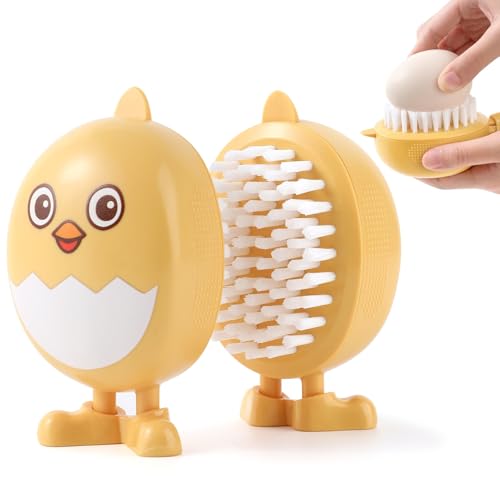
Lumkew Egg Washer Cleaner with Brush
Gentle silicone brush cleans soiled eggs without scrubbing off the whole bloom.

keomaisyto Egg Holder Countertop with Dividers
Keep unwashed, bloom-protected eggs organized at room temperature.

The bloom is the whole story
As a hen finishes forming an egg, the very last thing she does before laying is apply a thin, natural coating called the bloom, or cuticle. The shell looks solid but is riddled with thousands of microscopic pores that let the developing chick breathe. The bloom seals those pores, keeping moisture in and bacteria out. That single layer is why an unwashed egg can sit safely at cool room temperature for one to two weeks. The moment you wash it off, the shell becomes porous and vulnerable, and the egg needs refrigeration.
Why store-bought and farm eggs are handled differently
This bloom is also why egg-storage rules differ around the world. In the United States, commercial eggs must be washed and sanitized by law, which strips the bloom and is why every supermarket egg lives in the refrigerated case. In much of Europe and elsewhere, eggs are not washed and are stored at room temperature. Both systems are safe, they simply make opposite choices about the bloom. As a backyard keeper, you get to decide, and the smart move is usually to keep the bloom.
When to leave eggs alone
Most eggs from a well-managed coop come out clean enough to store as-is.
- Clean eggs: Do nothing. Store them unwashed and they keep their bloom and their long shelf life.
- A small smudge: Buff it off gently with a dry cloth, a dry scrub pad, or fine sandpaper. Dry cleaning preserves most of the bloom.
The goal is to disturb the bloom as little as possible. Clean nests are your best ally here, because eggs that are never dirty never need washing.
How to wash an egg the safe way
When an egg is genuinely soiled with mud or droppings, wash it, but do it correctly.
- Use warm water, warmer than the egg. This is the single most important rule. Cold water makes the egg's contents contract and can actually pull surface bacteria in through the pores. Warm water causes the contents to expand slightly and push outward.
- Clean gently. Run the egg under warm running water and rub off the dirt with your fingers or a soft egg brush. Do not soak eggs in a bowl of standing water, which spreads contamination.
- Dry it. Pat the egg dry with a clean towel.
- Refrigerate right away. A washed egg has lost its bloom and must go into the fridge, where it will keep for four to five weeks.
- Wash close to use. If possible, wait and wash dirty eggs just before you cook with them rather than before storage.
Backyard Chicken Keepers Planner
Track your chicken's health, meds, vet visits, mobility, nutrition, and quality of life, all in one printable planner.
Cleaner nests, fewer washes
The best way to win the washing debate is to avoid it. A few coop habits keep eggs clean from the start:
- Provide one nesting box per three to four hens and keep deep, clean bedding or washable nest pads.
- Place nesting boxes lower than the roosts so hens sleep and poop on the roost, not in the boxes.
- Collect eggs once or twice a day before they get stepped on or soiled.
- Keep the run well drained so birds track in less mud, and trim muddy areas near the coop entrance.
- Refresh nest bedding the moment it looks dirty.
The bottom line
For everyday backyard eggs, leave them unwashed, store the clean ones with their bloom intact, and only wash the dirty ones in warm water right before you need them. That approach keeps eggs safe, maximizes how long they last, and means less work for you. When you do have to wash, warm water and prompt refrigeration are the two rules that matter most. Keep clean nests and you will rarely need to wash an egg at all.
Pet Insurance · Sponsored
Have a Dog or Cat at Home Too? Protect Them From Surprise Vet Bills
Most backyard chicken keepers share their home with a dog or cat as well, and one emergency visit can run into the hundreds or thousands. Pet insurance can help cover surprise vet bills so a sudden cost does not force a hard choice. Get a free quote and see what coverage fits your household.
Frequently Asked Questions
Should you wash fresh eggs from your own chickens?
Only wash fresh eggs right before you use them, not before storage. Freshly laid eggs are coated with a natural protective layer called the bloom that seals the shell against bacteria. Washing removes the bloom, so unwashed eggs store far longer. Leave clean eggs unwashed, buff off small spots dry, and only wash heavily soiled eggs, refrigerating them immediately afterward.
What is the bloom on an egg?
The bloom, also called the cuticle, is a thin, natural coating a hen applies to the shell as the very last step before laying. It seals the shell's thousands of tiny pores and forms a barrier that keeps bacteria out and moisture in. The bloom is why unwashed eggs can safely sit at cool room temperature for one to two weeks. Once you wash it off, the egg must be refrigerated.
Why are store-bought eggs always refrigerated?
In the United States, commercial eggs are required to be washed and sanitized, which removes the bloom and means they must be kept refrigerated. Many other countries do not wash eggs and store them at room temperature instead. This is why imported or farm eggs may sit on a shelf while American supermarket eggs are always in the cold case. Both methods are safe when done correctly.
How should you wash a dirty egg?
Use warm water that is warmer than the egg itself, never cold. Cold water makes the egg's contents contract and can pull bacteria in through the pores. Run the egg under warm water, gently rub off the dirt with your fingers or a brush, dry it, and refrigerate immediately. Do not soak eggs in standing water, and wash only just before storing or using.
Can you eat eggs with a little dirt or poop on them?
Yes, once they are cleaned. A small smudge can be buffed off dry with a cloth or fine sandpaper to preserve the bloom. Heavier soiling should be washed off with warm water just before use, then the egg refrigerated. The egg inside is protected by the shell and bloom, so a clean exterior plus normal cooking makes lightly soiled eggs perfectly safe to eat.
How long do unwashed eggs last on the counter?
Unwashed eggs with an intact bloom keep at cool room temperature for about one to two weeks. Keep them out of direct sun and away from heat. If you want them to last longer, refrigerate them, which extends freshness to four or five weeks. Once an egg is washed, the bloom is gone and it should go straight into the fridge.
Does washing eggs make them unsafe?
Washing is not unsafe when done right, but it does shorten how long an egg keeps unrefrigerated by removing the protective bloom. The real risk comes from washing in cold water, which can draw surface bacteria through the porous shell into the egg. Always use warm water, dry the egg, and refrigerate washed eggs promptly. Done correctly, washing simply changes how you must store the egg.
Need more help with your flock?
Browse our guides by topic to find practical solutions.
Wellness Planner: $39