Free-Ranging Chickens: Benefits, Risks, and Setup
A practical guide to free-ranging backyard chickens: the benefits for eggs and behavior, predator and garden risks, fencing options, and why ranging birds still need feed.
Few things look more idyllic than a flock of hens roaming the yard, scratching for bugs and dust-bathing in the sun. Free-ranging gives chickens exercise, natural foraging, and often better eggs, and it cuts feed costs a little when forage is plentiful. But it also exposes birds to predators and gardens to scratching damage, so it pays to set it up thoughtfully. This guide covers the benefits, the risks, and how to free-range safely.
The single most important rule: free-ranging supplements the diet, it does not replace complete feed. Below are tools that help you range birds safely, from electric poultry netting to grit for digesting forage.
Free-Ranging Essentials
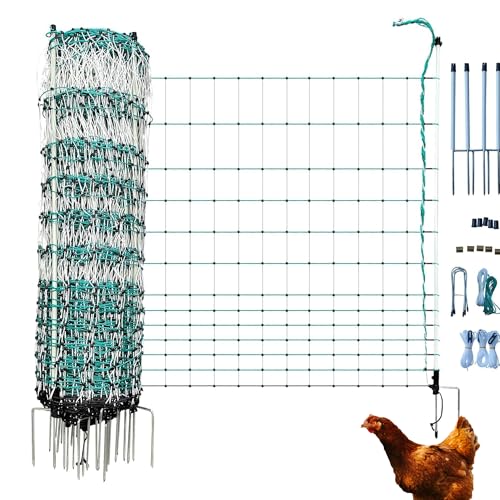
RentACoop Poultry Netting Electric Fence, 48 in x 168 ft
Portable electric netting to range birds safely from predators

ouluu Portable Poultry Netting Fence
Lightweight mesh netting to control where the flock ranges

Manna Pro Chicken Grit with Probiotics
Free-choice grit so ranging birds digest forage and grains

Manna Pro Layer Pellets, 16% Protein
Keep complete feed available even for free-ranging flocks
The Benefits of Free-Ranging
Free-ranging delivers real upsides. Birds get abundant exercise and mental stimulation from foraging, which reduces boredom-driven problems like feather picking. The varied diet of bugs, seeds, and greens often produces eggs with deeper orange yolks and richer flavor. Ranging birds also do some natural pest control in the yard, eating ticks, beetles, and grubs. And when forage is plentiful in the warmer months, they eat a little less purchased feed. For active, content chickens, few things beat time on pasture.
Free-Ranging Still Needs Feed
The biggest misconception is that free-range birds can live off the land. They cannot. A backyard simply cannot supply the consistent balanced protein, calcium, and vitamins a flock needs, especially laying hens producing an egg almost daily. Always keep complete feed available, even for ranging birds. They will self-regulate, eating less feed when forage is rich and more when it is scarce. Forage is a healthy bonus layered on top of a complete layer feed, never a substitute for it.
The Risks to Weigh
| Risk | How to reduce it |
|---|---|
| Aerial predators (hawks) | Overhead cover, shrubs, supervised ranging |
| Ground predators (fox, dog) | Electric poultry netting, secure fencing |
| Night predators | Always lock birds in a secure coop at dusk |
| Garden and landscape damage | Fence the garden, use netting, limit range time |
| Road and poison hazards | Keep ranging well away from roads and chemicals |
Predators are the main reason some keepers limit free-ranging. The most dangerous time is night, so no matter how birds spend the day, they must be locked in a secure, predator-proof coop at dusk. Supervised ranging and electric netting dramatically cut daytime losses.
Backyard Chicken Keepers Planner
Track your chicken's health, meds, vet visits, mobility, nutrition, and quality of life, all in one printable planner.
Fencing and Containment Options
You have several ways to range birds with more control. Electric poultry netting is portable, effective against ground predators, and easy to move to fresh ground. Permanent fencing around a large area works for low-flying breeds. A movable chicken tractor gives a secure enclosed run that you relocate for fresh forage without true free-ranging. Many keepers fence the garden rather than the birds, letting the flock roam everywhere except the beds they want to protect. Match the method to your predator pressure and space.
Grit for Foraging Birds
Ranging birds eat grains, greens, and bugs, all of which must be ground in the gizzard, so grit matters. While foraging birds pick up some grit naturally, soft or sandy soil may not provide enough, so keep insoluble grit available free choice as insurance. Laying hens should also have free-choice oyster shell regardless of how much they range, since forage does not reliably supply the calcium they need for shells. See our grit and oyster shell guide for the details.
Free-Range, Run, or Tractor?
There is no single right answer. True free-ranging offers the most natural life but the highest predator risk and least control. A large secure run or a movable tractor provides strong protection with much of the enrichment, especially if you give fresh ground regularly. A popular middle path is a secure run plus supervised or netted ranging in the safer late-afternoon hours, when birds will soon head back to roost on their own. Choose based on your predators, space, and daily supervision.
Free-Ranging Quick Links
- Electric Poultry Netting - predator protection
- Chicken Grit - to digest forage
- Browse poultry fencing on Amazon
The Bottom Line
Free-ranging gives chickens a richer, more natural life and often better eggs, but it must be done with eyes open to the predator and garden risks. Keep complete feed and water available always, provide grit and oyster shell, use netting or fencing to manage where birds roam, and lock them in a secure coop every night without fail. Whether you choose full free-ranging, a large run, or a movable tractor, the goal is the same: safe, busy, well-fed birds. For more on the daily diet, see what to feed chickens.
Pet Insurance · Sponsored
Have a Dog or Cat at Home Too? Protect Them From Surprise Vet Bills
Most backyard chicken keepers share their home with a dog or cat as well, and one emergency visit can run into the hundreds or thousands. Pet insurance can help cover surprise vet bills so a sudden cost does not force a hard choice. Get a free quote and see what coverage fits your household.
Frequently Asked Questions
Do free-range chickens still need feed?
Yes. Free-ranging supplements the diet with bugs, seeds, and greens, but a backyard cannot reliably supply the balanced protein, calcium, and vitamins chickens need, especially laying hens. Always keep complete feed available even for ranging flocks. Birds will eat less feed when forage is plentiful in spring and summer and more when it is scarce in winter, but they should never depend on forage alone. Think of free-ranging as a healthy bonus on top of a complete ration, not a replacement for it.
Is free-ranging safe for chickens?
Free-ranging carries real risks, mainly predators, since open birds are vulnerable to hawks, foxes, dogs, and more. It also exposes gardens to scratching damage and birds to road and poisoning hazards. Many keepers reduce the risk with supervised ranging, electric poultry netting, a secure fenced area, and overhead cover from shrubs or structures. The benefits of exercise, foraging, and richer eggs are real, but they have to be weighed against your predator pressure and setup. Always lock birds securely in the coop at night.
Does free-ranging make eggs better?
Free-ranging often improves egg quality in noticeable ways. Hens that forage on greens and bugs typically lay eggs with deeper orange yolks, richer flavor, and sometimes higher levels of certain nutrients, thanks to the varied diet and pasture access. The shells and overall production still depend mostly on the complete feed and calcium you provide. So free-ranging is a real quality upgrade for the egg, layered on top of, not instead of, good nutrition from a complete layer feed and free-choice oyster shell.
How much space do free-range chickens need?
There is no strict rule, but more space means less damage to any single area and more natural forage. Even a modest yard benefits the flock, while larger areas let birds spread out and reduce overgrazing and muddy bare patches. If space is limited, rotating birds between sections or using a movable run helps the ground recover. The key is that free-ranging should give birds room to roam and forage beyond the standard run space of 8 to 10 square feet per bird.
Do free-range chickens need grit?
Free-ranging birds pick up some grit naturally from the ground, but you should not rely on that being enough, especially if your soil is sandy or soft. The safe approach is to keep insoluble grit available free choice so birds always have it to grind the grains, greens, and bugs they forage. Grit is cheap and lasts a long time, so there is no reason to gamble. Laying hens should also have free-choice oyster shell available regardless of how much they range.
How do I keep free-range chickens out of my garden?
Chickens love gardens, and they will scratch up beds and eat seedlings given the chance. Options include fencing the garden rather than the birds, using temporary poultry netting to control where the flock ranges, supervising ranging time, or offering an attractive foraging area elsewhere to draw them away. Low fencing often works since most breeds do not fly far. Many keepers range birds only in the late afternoon, when they will return to roost soon, limiting the window for garden mischief.
Should I free-range or use a large run?
Both can give chickens a good life. Free-ranging offers the most natural foraging and exercise but carries higher predator risk and less control. A large secure run, or a movable tractor that gives fresh ground, offers strong protection with much of the enrichment benefit. Many keepers compromise with a secure run plus supervised or netted ranging time. The right choice depends on your predator pressure, space, and how much daily supervision you can give. Either way, keep complete feed and water available.
Need more help with your flock?
Browse our guides by topic to find practical solutions.
Wellness Planner: $39