Can Chickens Eat Avocado? No, Here's Why (Persin)
No, chickens should not eat avocado. The toxin persin can cause heart and breathing failure. Learn the danger, symptoms, what to do, and safe treats instead.
No, chickens should not eat avocado. Avocado contains a natural toxin called persin, which is most concentrated in the pit, skin, and leaves but is also present in the flesh. In birds, persin can cause serious heart and breathing problems and, in enough quantity, death. Because the risk is real and impossible to dose safely, the right call is to keep all avocado away from your flock entirely.
This is one of the clearest no's in chicken keeping. Below you will find what persin does, the warning signs of poisoning, what to do if your flock gets into avocado, and the many safe treats you can offer instead.
Safe Staples and Treats Instead

A complete, balanced layer ration that should be the foundation of every hen's diet.
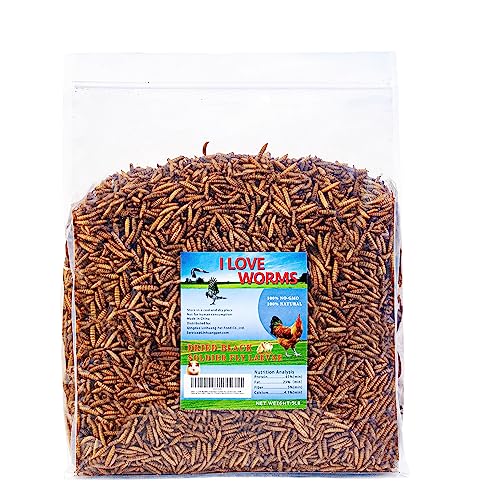
I LOVE WORMS I LOVE WORMS Dried Black Soldier Fly Larvae
A safe high-protein, high-calcium treat to offer instead of risky human foods.

Manna Pro Manna Pro Chicken Grit with Probiotics
Crushed granite grit so hens can grind safe treats and feed in the gizzard.
Why avocado is dangerous: persin
Persin is a natural fungicidal compound found throughout the avocado plant. While humans tolerate it without issue, birds are far more sensitive. In poultry, persin can damage the heart muscle and lead to fluid accumulating around the heart and lungs. The result is weakness, labored breathing, and in severe cases sudden death. The pit, skin, and leaves carry the highest concentrations, but the flesh contains persin too, which is why no part of the avocado is considered safe for chickens.
Symptoms of avocado poisoning
If a chicken eats avocado, signs can develop within hours and may include:
- Lethargy and ruffled feathers
- Weakness and reluctance to move
- Labored or open-mouthed breathing
- Reduced appetite
- In serious cases, sudden death
Because these signs point to heart and respiratory distress, they should always be taken seriously.
What to do if your chicken eats avocado
There is no home antidote for persin, so the focus is on limiting exposure and getting professional help. Remove any remaining avocado so no more is eaten, keep the affected bird calm, warm, and quiet to reduce stress on the heart, and make sure fresh water is available. Then contact a poultry or avian vet promptly and describe what and how much was eaten. Quick veterinary guidance gives the bird the best chance.
What to feed instead
The good news is that chickens have an enormous menu of safe, healthy treats, so missing out on avocado costs them nothing. Reach for these instead:
| Avoid | Safe alternative | Why it is good |
|---|---|---|
| Avocado | Pumpkin | Hydrating, rich in beta-carotene |
| Avocado | Blueberries | Antioxidants, low calorie |
| Avocado | Cooked sweet potato | Vitamin A and fiber |
| Avocado | Mealworms or BSFL | High protein, great for molt |
| Avocado | Leafy greens | Vitamins; feed in moderation |
Build the diet around a complete feed, keep grit available for digestion, and offer free-choice oyster shell for your layers. With those basics plus a rotation of safe treats, your flock gets variety and nutrition with zero risk.
The bottom line on avocado
Avocado is a firm no for chickens. The persin it contains can cause heart and breathing failure, and no part of the fruit is reliably safe. Keep avocado, guacamole, peels, and pits well away from your birds and the compost they can reach. With so many wholesome alternatives available, there is simply no reason to take the chance.
Frequently Asked Questions
Can chickens eat avocado?
No, you should not feed avocado to chickens. Avocado contains a natural toxin called persin, which is concentrated in the pit, skin, and leaves but also present in the flesh. Persin can cause heart and breathing problems in birds and, in enough quantity, can be fatal. Because the risk is serious and hard to dose safely, the responsible advice is to keep all avocado away from your flock.
What is persin and why is it dangerous to chickens?
Persin is a fungicidal toxin naturally found in avocado. Birds are particularly sensitive to it. In poultry, persin can damage the heart muscle and cause fluid buildup around the heart and lungs, leading to weakness, labored breathing, and sudden death. The highest concentrations are in the pit, skin, and leaves, but because the flesh also contains persin and tolerances vary, no part of the avocado is considered safe.
What happens if a chicken eats avocado?
Symptoms can include lethargy, ruffled feathers, weakness, difficulty breathing, and a reluctance to move, sometimes appearing within hours. In serious cases birds can die suddenly. If you suspect a chicken has eaten avocado, remove any remaining avocado, keep the bird calm and warm, ensure access to fresh water, and contact a poultry or avian vet promptly. There is no home antidote, so professional guidance is important.
Is a tiny bit of avocado flesh okay?
It is not worth the risk. While a very small amount of flesh might not harm a particular bird, persin tolerance varies between individuals and the consequences of getting it wrong are severe. There are countless safe, healthy treats to choose from, so there is no good reason to gamble with avocado. The simplest, safest policy is to treat all avocado as off-limits for chickens.
What about guacamole or avocado scraps?
Avoid these entirely. Guacamole adds further problems on top of persin, including salt, onion, and garlic, which are themselves not good for chickens. Avocado peels and pits left in compost or scraps should be kept where the flock cannot reach them. When sharing kitchen leftovers, set avocado-containing foods aside and offer your chickens one of the many safe fruits and vegetables instead.
What healthy treats can I feed instead of avocado?
Plenty of fruits and vegetables are safe and nutritious. Great options include pumpkin, blueberries, leafy greens like kale in moderation, broccoli, cabbage, cooked sweet potato, and mealworms for protein. These give your flock variety and real nutrition without any toxic risk. Pair treats with a complete feed, grit, and free-choice oyster shell, and your chickens will thrive without ever needing avocado.
Need more help with your flock?
Browse our guides by topic to find practical solutions.
Keeper's Planner: $39