Can Chickens Eat Blueberries? A Healthy Fruit Treat
Yes, chickens can eat blueberries fresh or frozen. Learn the antioxidant benefits, how to serve them, why frozen berries cool a hot flock, and how much is safe.
Yes, chickens can eat blueberries, and they are one of the healthiest fruit treats you can offer. Blueberries are rich in antioxidants and vitamins, low in calories, and small enough to feed whole. Fresh or frozen, they are a treat your flock will come running for. The only thing to watch is the natural sugar in fruit, which means blueberries should stay within the treat portion of a diet built on complete feed.
This guide covers what makes blueberries so good, how to serve them, why frozen berries are perfect for hot weather, and how much to feed your flock.
Helpful Extras for Treat Time

Manna Pro Manna Pro Chicken Grit with Probiotics
Crushed granite grit so hens can grind fruit and feed in the gizzard.

A foraging toy that turns berries and scraps into boredom-busting enrichment.
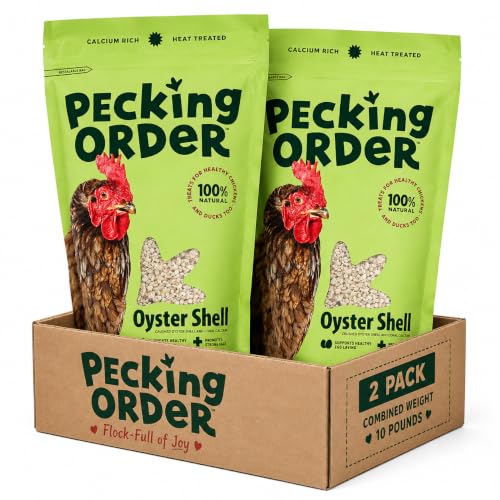
Pecking Order Pecking Order Oyster Shell Calcium Supplement
Free-choice calcium for strong eggshells when treats dilute the layer ration.
Nutrition: a little antioxidant powerhouse
Blueberries pack a lot of goodness into a small package. They are especially high in antioxidants called anthocyanins, the pigments behind their deep blue color, and they also supply vitamin C, vitamin K, manganese, and fiber. All of this comes with relatively few calories and a high water content. For a flock, blueberries are a treat that delivers real nutritional value rather than just empty sweetness.
Frozen blueberries for hot days
Here is a tip worth remembering: chickens handle cold far better than heat, and heat stress is a genuine summer danger. Frozen blueberries are a brilliant way to help. Toss a handful of frozen berries into the run, drop them in the water dish, or freeze them into ice blocks for a slow-melting cool treat. Birds get hydration, nutrition, and a bit of relief all at once, which makes frozen fruit a smart hot-weather habit.
How to feed blueberries
- Fresh and whole: scatter for foraging; they are small enough to swallow.
- Frozen: a cooling summer treat, tossed loose or in water.
- Mashed for chicks: cut or crush for very young birds.
- In a treat mix: stir into oatmeal or a bowl of chopped fruit and veg.
Provide grit so birds can grind fruit and feed in the gizzard, and rinse store-bought berries before feeding.
How many blueberries are safe
Follow the 10 percent treat rule: all treats together should stay under about a tenth of the daily diet, with a complete feed providing the rest. A small handful of blueberries shared among the flock a few times a week is a good amount. Fruit carries more natural sugar than vegetables, so even healthy berries should be limited to avoid extra calories and to protect the balanced nutrition hens need to lay.
| Form | Safe? | Notes |
|---|---|---|
| Fresh blueberries | Yes | Feed whole; antioxidant-rich |
| Frozen blueberries | Yes | Great cooling summer treat |
| Thawed berries | Yes | Perfectly fine |
| Moldy berries | No | Discard anything spoiled |
| Sweetened/canned berries | No | Added sugar and syrup |
The bottom line on blueberries
Blueberries are a nutritious, low-calorie fruit treat that chickens love, and frozen ones double as a hot-weather cooler. Feed them fresh or frozen, keep portions in the treat range to manage the natural sugar, provide grit, and keep free-choice oyster shell out for your layers. A handful of berries is a simple, healthy way to brighten your flock's day.
Frequently Asked Questions
Can chickens eat blueberries?
Yes, chickens can eat blueberries, and most flocks adore them. Blueberries are safe, antioxidant-rich, and full of vitamins, making them a healthy treat. You can feed them fresh or frozen, whole, since they are small enough to swallow easily. Like all fruit, blueberries are higher in natural sugar, so keep them to the treat portion of the diet alongside a complete feed.
Are blueberries good for chickens?
Yes, blueberries are one of the more nutritious fruit treats. They are loaded with antioxidants, especially anthocyanins, along with vitamin C, vitamin K, and fiber, all in a low-calorie package. These nutrients support immune health and overall wellbeing. Blueberries are a treat chickens find genuinely exciting, which also makes them handy for taming birds or adding enrichment to the run.
Can chickens eat frozen blueberries?
Yes, frozen blueberries are safe and make a fantastic cooling treat on hot summer days, when chickens are more vulnerable to heat stress than cold. You can toss them frozen, drop them in the water dish, or freeze them into ice blocks. Thawed berries are fine too. Frozen fruit treats are a simple, healthy way to help your flock stay comfortable during heat waves.
How many blueberries can chickens eat?
Keep blueberries and all treats combined to about 10 percent of the daily diet, with a complete feed making up the rest. A small handful shared among the flock a few times a week is plenty. Fruit is higher in natural sugar than vegetables, so while blueberries are healthy, overfeeding sweet treats can lead to weight gain and dilute the balanced nutrition hens need.
Will blueberries change my chickens' droppings or egg color?
Eating a lot of blueberries can temporarily tint droppings a darker or purplish color, which is harmless and passes quickly. Blueberries will not change the color of the egg yolk in any meaningful way the way leafy greens or marigold can. If you notice unusually colored droppings without a treat explanation, that is worth watching, but blue-tinged poop after a berry feast is nothing to worry about.
Can chicks eat blueberries?
Older chicks can have a few small pieces of blueberry as an occasional treat, but a quality chick starter should be their main food because it is balanced for growth. Cut or mash berries for tiny chicks to prevent any choking risk, and provide chick grit so they can digest them. For very young chicks, it is best to wait before introducing fruit treats.
Need more help with your flock?
Browse our guides by topic to find practical solutions.
Keeper's Planner: $39