Can Chickens Eat Broccoli? Florets, Stalks & Leaves
Yes, chickens can eat broccoli, raw or cooked, including the stalks and leaves. Learn the nutrition, the best ways to serve it, how much to feed, and safety tips.
Yes, chickens can eat broccoli, and it is one of the healthiest vegetable treats around. Florets, stalks, and leaves are all safe to feed, raw or cooked, and chickens genuinely enjoy them. Broccoli delivers vitamin C, vitamin K, fiber, and antioxidants in a low-calorie package. The only rule is the same as for any treat: keep it modest so it complements, rather than replaces, a complete feed.
Broccoli is also a fantastic boredom-buster. Hang a whole head in the run and your flock will spend ages pecking it apart, which helps curb feather pecking and other restless behaviors. Here is the full picture on feeding broccoli to chickens.
Helpful Extras for Treat Time

Manna Pro Manna Pro Chicken Grit with Probiotics
Crushed granite grit so hens can grind fibrous broccoli stalks in the gizzard.

A hanging foraging toy that turns a head of broccoli into boredom-busting enrichment.
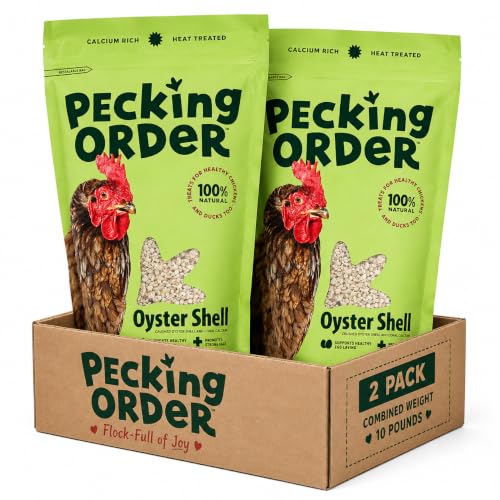
Pecking Order Pecking Order Oyster Shell Calcium Supplement
Free-choice calcium to keep eggshells strong when treats dilute the layer ration.
Nutrition: what broccoli brings
Broccoli is a nutrient-dense vegetable. It is high in vitamin C, which supports the immune system, and vitamin K, which plays a role in healthy blood clotting and bone strength. It also provides folate, fiber for good digestion, and a range of antioxidants. Because it is low in calories and high in water and fiber, broccoli is a treat you can feel good about offering.
The leaves, often discarded, are especially tender and nutritious, and the stalks add fiber. Feeding the whole head means less waste and more variety for your birds.
Raw versus cooked broccoli
Both are fine. Raw broccoli holds onto more vitamin C and is perfect for hanging up as enrichment. Cooked broccoli is softer, easier to eat for older or smaller birds, and a good use for kitchen leftovers, as long as it is plain. Never feed broccoli that has been cooked with salt, butter, oil, cheese, or seasonings, since chickens do not need these and some are harmful in quantity.
How to feed broccoli
- Hung whole: tie a head where birds can jump and peck for enrichment.
- Chopped: break florets apart and cut stalks small for easy eating.
- Cooked plain: soft steamed broccoli for older hens or cold days.
- Mixed: add chopped broccoli to a treat bowl with other safe veggies.
Offer grit alongside broccoli, especially the tough stalks, so birds can grind it properly in the gizzard.
How much broccoli is safe
Follow the 10 percent treat rule: all treats combined should stay under about a tenth of the daily diet, with a complete layer feed providing the rest. A head of broccoli shared among a small flock once or twice a week is a sensible amount. Broccoli is a cruciferous vegetable, and feeding very large quantities of cruciferous greens can lead to gas and loose droppings, so moderation and variety keep digestion happy.
| Part of broccoli | Safe? | Notes |
|---|---|---|
| Florets | Yes | Vitamin-rich; great hung up raw |
| Stalks | Yes | Fibrous; chop smaller for easy eating |
| Leaves | Yes | Tender and very nutritious |
| Cooked (plain) | Yes | No salt, butter, oil, or seasoning |
| Moldy broccoli | No | Discard anything spoiled |
Safety reminders
Only feed fresh, clean broccoli, and remove any uneaten pieces before they spoil in the run. Avoid broccoli prepared with sauces, cheese, or heavy seasoning. And as always, treats are extras: the foundation of a laying hen's diet should be a complete feed, with free-choice oyster shell available for calcium and grit on hand for digestion. With those basics covered, broccoli is a nutritious, enriching, and very welcome addition to the menu.
Frequently Asked Questions
Can chickens eat broccoli?
Yes, chickens can eat broccoli, and it is a healthy, vitamin-rich treat. The florets, stalks, and leaves are all safe, raw or cooked. Broccoli offers vitamin C, vitamin K, fiber, and antioxidants. Chickens often enjoy pecking at a whole head hung in the run. As with any treat, keep broccoli to a modest share of the diet so it does not crowd out their complete feed.
Can chickens eat raw or cooked broccoli?
Both are safe. Raw broccoli is great for enrichment, especially hung up so birds peck the florets apart, and it keeps more of its vitamin C. Cooked broccoli is softer and easier to eat, which can help older hens, just serve it plain with no salt, butter, or seasoning. Leftover plain steamed broccoli from your kitchen is a perfectly good way to treat the flock.
Can chickens eat broccoli stalks and leaves?
Yes, the tough stalks and the leaves are both safe and nutritious. Stalks are fibrous, so chopping them into smaller pieces makes them easier to eat. Broccoli leaves are tender and packed with nutrients, and flocks usually devour them. Sharing the stalks and leaves is a great way to use the parts of the plant you might otherwise toss.
How much broccoli can chickens eat?
Treats, including broccoli, should total no more than about 10 percent of the daily diet, with the rest coming from a balanced feed. A head of broccoli shared among a small flock a couple of times a week is plenty. Broccoli is a cruciferous vegetable, and very large amounts of cruciferous greens can cause digestive upset, so variety and moderation keep things comfortable.
Is broccoli good for chickens?
Broccoli is a genuinely healthy treat. It provides vitamin C, vitamin K, folate, fiber, and antioxidants that support immune health and digestion, while being low in calories. Hanging a head of broccoli also gives chickens something to work at, which reduces boredom and feather pecking. As part of a varied treat rotation, broccoli is a smart, nutritious choice for backyard flocks.
Can chicks eat broccoli?
Older chicks can have small amounts of finely chopped or cooked broccoli, but a quality chick starter should be their main diet. Any chick eating treats also needs chick grit to grind the food. For very young chicks, it is best to hold off on treats and let their digestive systems develop first. When in doubt, keep chicks on starter feed and introduce greens slowly later.
Need more help with your flock?
Browse our guides by topic to find practical solutions.
Keeper's Planner: $39