Can Chickens Eat Eggshells? Calcium Done Right
Yes, chickens can eat eggshells for free calcium. Learn how to dry, bake, and crush them safely, how much to feed, and how to avoid starting an egg-eating habit.
Yes, chickens can eat eggshells, and doing so is one of the smartest, cheapest ways to keep laying hens supplied with calcium. Crushed shells recycle something you already produce, and they give hens the building blocks for strong, hard egg shells. The single rule that matters is preparation: dry and crush the shells so they no longer resemble a whole egg, which keeps your flock from learning to peck at the eggs in the nesting box.
Feeding shells back to your hens closes a tidy little loop on the homestead. Below you will find why calcium matters so much for layers, exactly how to prepare shells safely, how much to offer, and how this snack fits alongside oyster shell and a complete feed.
Calcium and Digestion Helpers
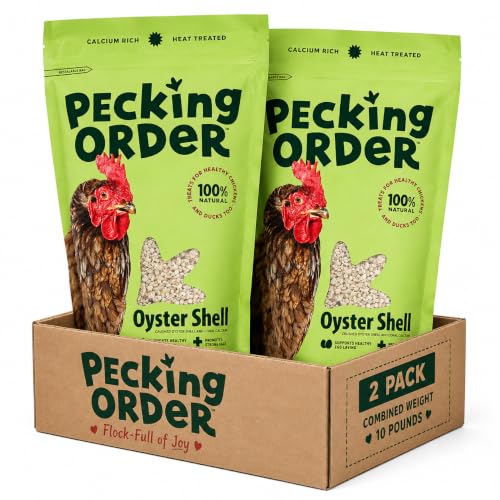
Pecking Order Pecking Order Oyster Shell
A slow-release calcium supplement to offer alongside crushed eggshells for strong shells.

Manna Pro Manna Pro Layer Pellets
A complete 16% protein layer feed that covers the baseline calcium your hens need.

Manna Pro Manna Pro Chicken Grit with Probiotics
Crushed granite grit that helps hens grind down crushed shells and other treats.
Why calcium matters so much for laying hens
An egg shell is almost pure calcium carbonate, and a productive hen lays one nearly every day. That is an enormous calcium demand on a small body. A quality layer feed is formulated to meet most of it, but individual hens vary, and a free-choice calcium source lets each bird top up exactly what she needs. When a hen runs short, her body pulls calcium from her own bones, and you start seeing thin shells, soft shells, or eggs with no shell at all.
Eggshells are a perfect supplement because they are essentially the same material a hen needs to make a new shell. Returning them to the flock is efficient, free, and waste-reducing, which is exactly the kind of practical loop backyard keepers love.
Nutrition: what eggshells give your flock
The headline nutrient is calcium, and lots of it. A single eggshell contains roughly two grams of calcium, the bulk of what a hen needs for one day of laying. Shells also carry trace minerals and a thin protein membrane. They are not a source of meaningful energy or vitamins, so think of them strictly as a mineral supplement rather than a food in the usual sense.
How to prepare eggshells safely
Preparation is quick and matters for two reasons: food safety and breaking the visual link to whole eggs. Here is the simple routine most keepers use:
- Rinse and dry: remove leftover egg and let the shells air dry on a tray.
- Bake briefly: heat them around 250 degrees for about ten minutes to make them brittle and to kill any lingering bacteria.
- Crush small: use your hands, a rolling pin, or a quick blender pulse to make irregular fragments that look nothing like an egg.
- Offer free choice: put the crushed shells in a small dish separate from the main feeder.
That last step is the secret to avoiding egg eating. When shells are reduced to little flakes, a hen never associates the snack with the smooth, whole eggs she lays.
How much eggshell is safe
Unlike treats, calcium does not follow the 10 percent rule. Instead, offer it free choice and let your hens self-regulate, which they do remarkably well. Keep the calcium dish separate so that roosters, growing chicks, and any non-laying birds are not forced to eat extra calcium, which can strain their kidneys. Active layers will visit the dish when their bodies signal a need and ignore it otherwise.
| Bird | Extra calcium needed? | Notes |
|---|---|---|
| Laying hens | Yes, free choice | High demand from daily shell production |
| Roosters | No | Excess calcium stresses the kidneys |
| Chicks and pullets | No | Use starter or grower feed instead |
| Molting or resting hens | Free choice | They take less when not laying |
Eggshells, oyster shell, and feed together
Crushed eggshells and oyster shell are not rivals; they complement each other. Eggshells are free and dissolve fairly quickly, while oyster shell breaks down more slowly for a steadier calcium release through the day and night. Many keepers offer both in the same free-choice dish. Underpinning all of it should be a complete layer feed, which provides the baseline calcium plus the protein, vitamins, and minerals that shells alone cannot supply.
Give your hens grit too, since they have no teeth and rely on grit in the gizzard to grind down anything that is not commercial crumble. Pair a good feed, free-choice calcium, and grit, and your flock will reward you with strong, glossy, hard-shelled eggs.
Frequently Asked Questions
Can chickens eat eggshells?
Yes, chickens can eat eggshells, and it is one of the cheapest, most effective ways to give laying hens extra calcium. The trick is to dry and crush the shells first so they no longer look like a whole egg. That keeps your hens from connecting the snack to the eggs in the nesting box, which is what prevents the dreaded egg-eating habit from starting in your flock.
Why do chickens need extra calcium from eggshells?
Laying hens pull a huge amount of calcium from their bodies to build a hard shell around every egg. A complete layer feed covers the baseline, but many keepers offer crushed eggshells or oyster shell on the side so each hen can top up what she needs. Hens that run short on calcium lay thin, soft, or shell-less eggs and can develop bone and reproductive problems over time.
How do I prepare eggshells for my chickens?
Rinse the shells, let them dry, then bake them at around 250 degrees for about ten minutes to make them brittle and kill any bacteria. Once cool, crush them into small pieces with your hands, a rolling pin, or a quick pulse in a blender. The goal is irregular fragments that look nothing like an intact egg, which removes any temptation for hens to start pecking their own eggs.
Will feeding eggshells make my chickens eat their eggs?
Not if you crush them well. Egg eating usually starts from accidental breakage, boredom, or a calcium shortage, not from eating prepared shells. Drying and crushing the shells into small bits breaks the visual link to a whole egg, so your hens treat them as a mineral snack. If you ever see a hen pecking eggs in the box, address calcium, space, and nesting comfort right away.
How much eggshell can chickens have?
Calcium is best offered free choice rather than measured out. Put crushed shells or oyster shell in a small separate dish and let each hen take what she needs. Laying hens self-regulate calcium well. Do not mix large amounts of calcium into feed eaten by roosters, chicks, or non-laying birds, since too much calcium is hard on the kidneys of birds that are not actively producing eggs.
Can I feed eggshells and oyster shell together?
Yes, many keepers offer both. Crushed eggshells are free and recycle something you already have, while oyster shell dissolves more slowly and provides a steady calcium release. Setting out a dish that combines the two, or offering them side by side, lets each hen choose. Keep the calcium dish separate from the main feeder so only the birds that need it help themselves.
Need more help with your flock?
Browse our guides by topic to find practical solutions.
Keeper's Planner: $39