Can Chickens Eat Kale? Benefits, Limits & How to Feed
Yes, chickens can eat kale in moderation. Learn the nutrition, why goitrogens mean you should rotate it, how to serve it, and how much is safe for your flock.
Yes, chickens can eat kale, and it is one of the most nutritious leafy greens you can offer in moderation. Kale is rich in vitamins A, C, and K, calcium, and antioxidants, and flocks love stripping the leaves apart. The one caveat is that kale is a cruciferous green containing goitrogens, so it belongs in a rotating treat lineup rather than as a huge daily portion. Fed sensibly, it is a healthy and welcome addition.
This guide covers what makes kale good for chickens, why moderation matters, the easiest ways to serve it, and how it fits alongside other leafy greens in a balanced treat rotation.
Helpful Extras for Treat Time

Manna Pro Manna Pro Chicken Grit with Probiotics
Crushed granite grit so hens can grind fibrous kale stems in the gizzard.
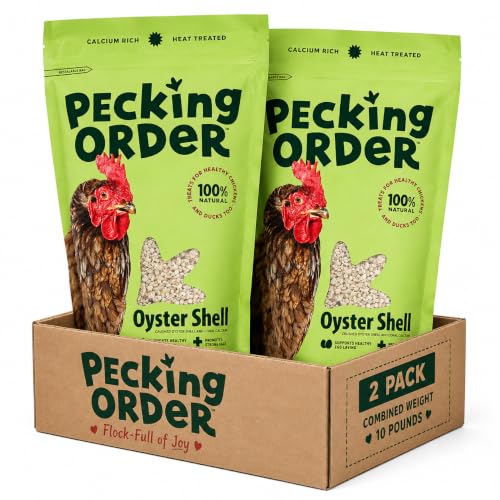
Pecking Order Pecking Order Oyster Shell Calcium Supplement
Free-choice calcium for strong eggshells when greens dilute the layer ration.

A hanging foraging toy that turns a bunch of kale into slow, enriching foraging.
Nutrition: why kale is a powerhouse
Kale earns its superfood reputation. It is dense in vitamin A, which supports immune function, vision, and reproduction, and high in vitamin C and vitamin K. It also supplies calcium, fiber, and a strong dose of antioxidants. For a backyard flock, a serving of kale is a real nutritional boost, all while being low in calories.
That nutrient density is exactly why kale is worth feeding, and also why it should be one of several greens rather than the only one. Variety spreads the benefits and avoids overdoing any single compound.
Why moderation matters: goitrogens
Kale, like broccoli and cabbage, is a cruciferous vegetable that contains goitrogens. These are natural compounds that, in very large amounts eaten regularly, can interfere with thyroid function. The key phrase is large amounts. A normal treat-sized serving a few times a week poses no problem at all. The simplest safeguard is to rotate kale with other treats and greens rather than feeding big portions every single day.
How to feed kale to chickens
- Hung in a bunch: tie kale where birds peck and jump for it, great enrichment.
- Whole leaves: scatter leaves and let the flock strip the tender parts.
- Chopped: cut leaves and stems smaller for easier eating.
- Mixed greens bowl: combine with other safe greens for variety.
Offer grit alongside kale, particularly the tougher stems, so birds can grind it in the gizzard. Wash any kale from the store or garden to remove residues before feeding.
How much kale is safe
Stick to the 10 percent treat rule: all treats together should make up no more than about a tenth of the daily diet, with a complete feed providing the balance. For a small flock, a few leaves or a small bunch a couple of times a week is ideal. Treats, kale included, dilute the precise nutrition in layer feed, so keep portions modest and always have free-choice oyster shell available for calcium.
| Green | Feed? | Note |
|---|---|---|
| Kale | In moderation | Goitrogenic; rotate, do not overfeed |
| Lettuce | Yes | Hydrating; choose darker leaves over iceberg |
| Spinach | In moderation | High in oxalates; small amounts |
| Swiss chard | In moderation | Also higher in oxalates |
| Collards | In moderation | Cruciferous like kale; rotate |
The bottom line on kale
Kale is a nutrient-packed, low-calorie green that chickens enjoy and benefit from when fed thoughtfully. Treat it as one star in a rotating cast of greens, keep portions to the treat range, provide grit and free-choice calcium, and you get all the upside without any concern about goitrogens. Hang a bunch in the run on a slow afternoon and watch your flock go to work, it is good for their bodies and their busy minds alike.
Frequently Asked Questions
Can chickens eat kale?
Yes, chickens can eat kale, and most flocks love it. Kale is a nutrient-dense leafy green packed with vitamins A, C, and K, calcium, and antioxidants. It is safe raw or cooked and makes excellent enrichment when hung in the run. Because kale is a cruciferous green containing goitrogens, feed it in moderation as one part of a varied treat rotation rather than in huge daily amounts.
Is kale safe for chickens every day?
Kale is best fed a few times a week rather than in large daily portions. It contains goitrogens, natural compounds in cruciferous plants that can interfere with thyroid function if eaten in very large amounts over time. A normal treat-sized serving is completely safe, and rotating kale with other greens keeps the diet balanced. Moderation, not avoidance, is the right approach with kale.
Can chickens eat kale stems?
Yes, kale stems are safe, though they are tougher and more fibrous than the leaves. Many chickens prefer the leafy parts and leave the thick stems behind. You can chop stems into smaller pieces to make them easier to eat, or simply offer whole leaves and let birds strip the tender parts. Provide grit so they can grind any fibrous pieces in the gizzard.
How much kale can I give my chickens?
Keep kale and all treats combined to about 10 percent of the daily diet, with a complete feed making up the rest. For a small flock, a few leaves or a bunch shared a couple of times a week is a good amount. Because of the goitrogens in cruciferous greens, kale should be one of several rotating treats rather than an everyday staple in large quantities.
Is kale good for laying hens?
Yes, in moderation kale is a nutritious choice for laying hens. It supplies vitamin A for immune and reproductive health, vitamin K, and some calcium. Just remember that treats dilute the balanced nutrition in layer feed, so keep portions modest and always offer free-choice oyster shell so hens get the steady calcium they need for strong eggshells.
Can chickens eat kale and other leafy greens?
Yes, a rotation of leafy greens is great for chickens. Kale, lettuce, Swiss chard, spinach, and collards can all be offered in moderation. Spinach and chard are higher in oxalates and kale is goitrogenic, so variety matters: rotating different greens avoids overloading on any single compound. A mix of greens gives your flock a broad range of vitamins and keeps treat time interesting.
Need more help with your flock?
Browse our guides by topic to find practical solutions.
Keeper's Planner: $39