Can Chickens Eat Mealworms? Protein Treat Guide
Yes, chickens love mealworms, a top high-protein treat, especially during molt. Learn the nutrition, dried vs live, how many to feed, and the best alternatives.
Yes, chickens love mealworms, and they are arguably the best high-protein treat you can keep on hand. Mealworms, the larvae of the darkling beetle, are packed with protein and fat, which makes them especially valuable during molt when birds are working hard to regrow feathers. Dried and live mealworms are both safe and effective. The only rule is moderation, since these rich morsels are a treat, not a meal.
Here is everything worth knowing: what mealworms offer, dried versus live, why they shine during molt, how many to feed, and a calcium-rich alternative worth considering for layers.
High-Protein Treats and Helpers
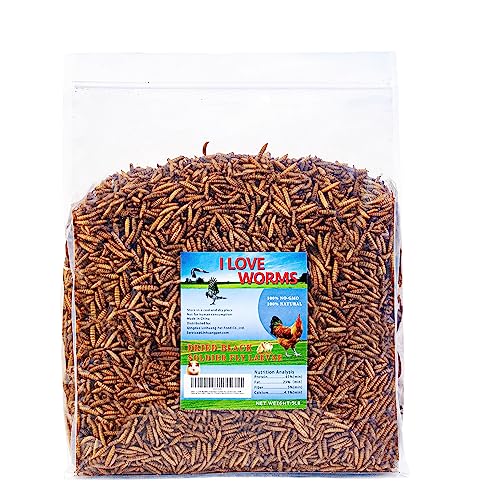
I LOVE WORMS I LOVE WORMS Dried Black Soldier Fly Larvae
A high-protein dried larvae treat with far more calcium than mealworms, great for layers.

Manna Pro Manna Pro Chicken Grit with Probiotics
Crushed granite grit so hens can grind treats and feed in the gizzard.

A foraging toy that turns mealworms and scraps into boredom-busting enrichment.
Nutrition: why mealworms are a protein star
Mealworms are dense in protein and fat, the two things chickens crave and benefit from in the right amounts. Protein supports muscle, egg production, and feather growth, while the fat provides concentrated energy. This richness is exactly why mealworms are such an effective treat and also why a little goes a long way. They are not a complete food, so they complement rather than replace a balanced feed.
Dried versus live mealworms
Both are safe and nutritious. Dried mealworms are the convenient choice: shelf-stable, mess-free, and easy to scatter or hand-feed. Live mealworms add the thrill of the chase, which is wonderful enrichment as birds dart after them. Nutritionally they are very similar. Many keepers also turn to dried black soldier fly larvae, which deliver comparable protein along with much more calcium, a real plus for laying hens who need calcium for strong shells.
Mealworms and molt
If there is one time mealworms truly earn their place, it is molt. Feathers are roughly 85 percent protein, so when chickens drop and regrow their plumage, their protein needs jump. A protein-rich treat like mealworms helps support feather regrowth and gives molting birds a welcome boost. During a heavy molt, pair mealworms with the regular feed, and consider a higher-protein feather-fixer ration to carry birds through comfortably.
How to feed mealworms
- Scattered: toss a pinch in the run for foraging fun.
- Hand-fed: a great way to tame and bond with your flock.
- In a treat bowl: mix into oatmeal, veggies, or scratch.
- In a feeder toy: add to a foraging toy for slow enrichment.
Provide grit so birds can grind treats and feed in the gizzard, and store mealworms in a cool, dry place.
How many mealworms is safe
Because they are so rich, mealworms should be fed sparingly. A small pinch or handful scattered among the flock a few times a week suits most birds, with a bit more allowed during molt. Keep all treats, mealworms included, to roughly 10 percent of the diet. Overdoing high-protein, high-fat treats can lead to excess weight and pull the diet out of balance, so generous but not unlimited is the goal.
| Option | Best for | Notes |
|---|---|---|
| Dried mealworms | Convenience | Shelf-stable, easy to feed |
| Live mealworms | Enrichment | Birds love the chase |
| Black soldier fly larvae | Layers | Protein plus much more calcium |
| Molting birds | Feather regrowth | Feed a little more during molt |
The bottom line on mealworms
Mealworms are a top-tier treat: protein-packed, irresistible to chickens, and genuinely useful during molt. Choose dried for convenience or live for enrichment, consider black soldier fly larvae when your layers need calcium too, feed in moderation, and keep grit available. A handful of mealworms is one of the simplest ways to keep your flock healthy, busy, and friendly.
Frequently Asked Questions
Can chickens eat mealworms?
Yes, chickens love mealworms, and they are one of the best high-protein treats you can offer. Mealworms, the larvae of the darkling beetle, are rich in protein and fat, which makes them especially useful during molt when birds need extra protein to regrow feathers. Both dried and live mealworms are safe. Like all treats, they should be fed in moderation so they do not unbalance the diet.
Are dried mealworms safe for chickens?
Yes, dried mealworms are safe and very convenient, with a long shelf life and no refrigeration needed. They are essentially the same nutrition as live mealworms in a shelf-stable form. One tip: check sourcing, since reputable brands matter. Many keepers also like dried black soldier fly larvae, which offer similar protein plus far more calcium, a nice bonus for laying hens.
How many mealworms can I give my chickens?
Mealworms are rich, so a little goes a long way. A small pinch or handful scattered among the flock a few times a week is plenty for most birds, more during molt when protein demand is high. Treats including mealworms should stay around 10 percent of the diet. Too many high-protein, high-fat treats can lead to excess weight and unbalanced nutrition.
Are mealworms good for molting chickens?
Yes, mealworms are an excellent molt-season treat. Feathers are about 85 percent protein, so molting birds have a real spike in protein needs as they regrow them. A protein-rich treat like mealworms supports that process and can help feathers come back faster and stronger. Pair them with a complete feed, and consider a higher-protein feather-fixer feed during heavy molt for the best results.
Can I feed my own mealworms or only store-bought?
Both work. Store-bought dried or live mealworms are easy and reliable. Some keepers raise their own mealworms at home in a simple bin, which is cheaper over time and gives a steady supply. Whether home-raised or purchased, keep them clean and stored properly. Avoid mealworms intended for fishing bait or reptiles unless they are clearly food-grade, since sourcing and handling can differ.
Can chicks eat mealworms?
Older chicks can have a few small or crushed mealworms as an occasional treat, but a quality chick starter should be their main diet since it is balanced for growth. Whole dried mealworms can be large for tiny chicks, so crumble them. As with any treat, chicks need chick grit to digest them. Keep treats minimal so chicks fill up on their balanced starter feed.
Need more help with your flock?
Browse our guides by topic to find practical solutions.
Keeper's Planner: $39