Can Chickens Eat Peas? A Protein-Rich Favorite
Yes, chickens love peas. Learn why this protein-rich treat is great during molt, how to feed fresh, frozen, or cooked peas and pods, and how much to give.
Yes, chickens can eat peas, and they are one of the best vegetable treats you can offer a backyard flock. Peas bring real plant protein along with fiber, vitamins, and minerals, and their small size makes them effortless to peck and swallow. You can feed them fresh, cooked, or frozen and thawed, pods and all, with no special preparation. Most flocks go wild for peas, which makes them a healthy, easy way to add variety and a protein boost.
Peas check every box keepers look for in a treat: nutritious, well loved, cheap, and simple to serve. Here is what makes them so good, how to feed them, and why they shine during molt.
Protein Treats and Digestion Helpers

Manna Pro Manna Pro 7-Grain Ultimate Chicken Scratch
A non-GMO multigrain treat that pairs well with protein-rich peas for variety.
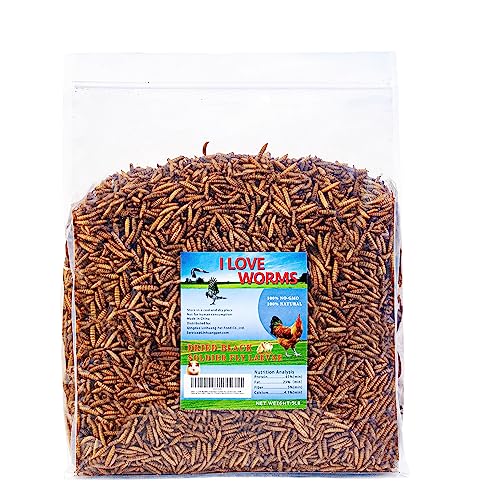
I LOVE WORMS I LOVE WORMS Dried Black Soldier Fly Larvae
A high-protein, high-calcium treat to pair with peas during molt season.

Manna Pro Manna Pro Chicken Grit with Probiotics
Crushed granite grit so hens can grind peas and pods in the gizzard.
Nutrition: what peas give your flock
Peas stand out among vegetables for their protein content, which supports muscle development and feather growth. They also deliver fiber for steady digestion and a strong lineup of vitamins, including A, C, and K, plus minerals like iron, manganese, and phosphorus. That mix makes peas more than just a tasty snack; they are a genuinely nourishing addition to the diet. The protein in particular gives them an edge over watery treats like cucumber or lettuce.
Fresh, frozen, or cooked
One of the nice things about peas is how flexible they are. Every common form is safe:
- Fresh: straight from the pod, a garden favorite for the flock.
- Frozen: keep a bag handy; offer thawed, or frozen as a hot-weather cooler.
- Cooked: plain boiled or steamed peas, softened for easy eating.
- Pods and vines: safe to peck apart; chop tougher pods if needed.
Whatever the form, keep peas plain with no salt, butter, or sauce, and provide grit for grinding the pods.
Why peas are great during molt
Each year, usually in fall, chickens drop and regrow their feathers, and because feathers are largely protein, molting birds need extra protein to rebuild their plumage. Peas, with their above-average protein for a vegetable, are a useful treat during this stretch. Pair them with another protein source like dried black soldier fly larvae, and you give molting hens helpful support while they look their scruffiest. Outside of molt, peas remain a healthy everyday treat.
How much is safe
Even healthy treats follow the 10 percent rule, so keep peas and all other treats under about a tenth of the daily diet. A small handful for every few birds, a few times a week, is a sensible amount. Scattering them encourages natural foraging and a bit of exercise. As nutritious as peas are, they are still a supplement, so a complete layer feed should remain the core of what your flock eats every day.
| Form | Safe to feed? | Notes |
|---|---|---|
| Fresh peas | Yes | Easy to peck; a flock favorite |
| Frozen peas (thawed or frozen) | Yes | Convenient; cooling in summer |
| Cooked plain peas | Yes | Soft and easy to eat |
| Pods and vines | Yes | Chop tough pods; offer grit |
| Seasoned or canned peas | No | Added salt and sauces are not for chickens |
The bottom line on peas
Peas are a standout treat: protein rich, vitamin packed, easy to serve in any form, and beloved by flocks. They are especially valuable during molt, and they make a great way to share garden surplus. Keep portions within the 10 percent rule, offer grit for the pods, and let peas be one of the reliable, healthy snacks your chickens look forward to.
Frequently Asked Questions
Can chickens eat peas?
Yes, chickens can eat peas, and most flocks adore them. Peas are one of the better vegetable treats, offering plant protein, fiber, and a good range of vitamins and minerals. You can feed them fresh, cooked, or frozen and thawed, and the pods are safe too. Their small size makes them easy to peck and swallow, so peas are a simple, healthy snack to add to the treat rotation.
Are frozen peas safe for chickens?
Yes, frozen peas are safe and convenient. Many keepers keep a bag in the freezer and toss out a handful as a quick treat. In hot weather you can offer them still frozen as a cooling snack, or thaw them first for cooler days. Either way, choose plain peas with no added salt, butter, or sauce. Frozen peas are just as nutritious as fresh and far easier to keep on hand.
Can chickens eat pea pods and plants?
Yes, pea pods are safe and many chickens enjoy pecking them apart for the peas inside. The leaves and vines of the pea plant are also generally safe, which makes peas a great garden crop to share with the flock. Chop larger or tougher pods into smaller pieces if needed, and as always, offer grit so birds can grind the fibrous parts in the gizzard.
Are peas good for chickens?
Peas are one of the more nutritious treats you can offer. They are higher in protein than most vegetables, which supports muscle and feather health, and they provide fiber plus vitamins A, C, and K and minerals like iron and manganese. That protein content makes peas especially handy during molt. Even so, they are a treat, not a complete feed, so keep them as a supplement to layer feed.
How many peas can chickens have?
Keep peas, along with all other treats, under about 10 percent of the daily diet. A small handful per few birds a few times a week is a good amount. Peas are healthy, but loading up on any single treat can unbalance the diet and crowd out complete feed. Scatter them to encourage foraging, and let a good layer feed remain the bulk of what your flock eats.
Can baby chicks eat peas?
Older chicks can enjoy small amounts of cooked, mashed, or finely chopped peas once they are a few weeks old, and the soft texture makes peas one of the friendlier first treats. A quality chick starter should still be their main food. Whenever chicks eat anything besides crumble, give them chick grit so they can grind it. For very young chicks, wait until their digestion matures.
Need more help with your flock?
Browse our guides by topic to find practical solutions.
Keeper's Planner: $39