Backyard Chicken Supply Checklist for Beginners
A complete backyard chicken supply checklist: the coop, feeder, waterer, feed, bedding, grit, first-aid, and extras you need to start and care for a healthy flock with confidence.
Bringing chickens home is exciting, and a little overwhelming when you realize how many small things they need to thrive. The good news is that the core list is short and most of it is one-time gear. This checklist walks through everything from the coop down to the first-aid kit, so you can set up before the birds arrive and start your flock calm and prepared rather than scrambling. Get the essentials in place first, then add the nice-to-haves as you go.
Daily-Use Essentials

RentACoop Galvanized Steel Trough Feeder with Lid
Durable, rodent-resistant feeder with a rain cover to keep feed dry and clean.

Omlet Insulated Chicken Waterer, 3 Gallon
Stay-clean automatic waterer that gives the flock constant access to fresh water.

Manna Pro Layer Pellets, 16% Protein
Complete layer feed with calcium for hens at point of lay and beyond.
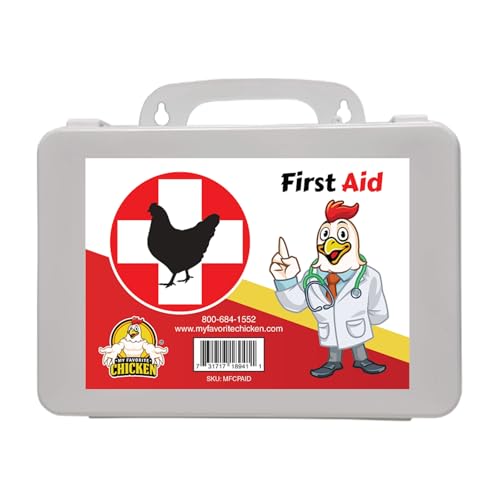
My Favorite Chicken Poultry First Aid Kit
Wound care, supplements, and supplies to handle minor injuries and pasty butt.
The Big One: A Secure Coop and Run
Your coop is the foundation of everything. It needs to be predator-proof, well ventilated, and big enough, about 4 square feet per bird inside, plus 8 to 10 square feet each in the run. Look for half-inch hardware cloth rather than flimsy chicken wire, secure two-step latches, a sloped weatherproof roof, roosting bars, and nesting boxes. Whether you build or buy, the coop is where you should spend the most care, because it protects your flock every single night.
Feeders, Waterers, and Feed
Chickens need constant access to feed and clean water. Choose a feeder sized to your flock, ideally a no-waste design that keeps spillage and pests down, and a waterer large enough that the birds never run dry, which matters most in summer heat. For feed, match the ration to the flock: layer feed for laying hens, all-flock feed plus free-choice oyster shell for mixed groups, and starter or grower feed for young birds. Store feed in a sealed metal can to keep it fresh and rodent-free.
Grit, Oyster Shell, and Supplements
Two cheap supplies prevent real problems. Grit, small hard stones, sits in the gizzard and grinds food, and chickens need it whenever they eat anything beyond pellet feed. Oyster shell gives laying hens the extra calcium for strong shells. Offer both free choice in their own dishes so birds self-regulate. Many keepers also keep electrolytes and a vitamin supplement on hand for hot days, stress, or recovery.
Bedding and Coop Comfort
Inside the coop you need bedding for the floor and nesting boxes. Pine shavings are the popular all-rounder and the base for the deep litter method, while coarse sand suits hot, humid climates. Nesting boxes should be soft, clean, and slightly dim to encourage laying, with roughly one box per three to four hens. Keep bedding dry, because moisture drives ammonia, mites, and disease faster than almost anything else.
Backyard Chicken Keepers Planner
Track your chicken's health, meds, vet visits, mobility, nutrition, and quality of life, all in one printable planner.
Health and Safety Supplies
Build a simple poultry first-aid kit before you need it: a wound and skin spray, antiseptic, vet wrap, styptic powder for bleeding nails, electrolytes, a vitamin supplement, and gloves. These let you handle minor injuries, bumblefoot, and pasty butt quickly. Keep the number of a poultry or avian vet, or your local extension office, somewhere handy for anything beyond minor care. A little preparation here saves a lot of worry later.
Brooder Gear for Chicks
If you are starting with chicks rather than grown birds, you need a brooder setup first. That means a draft-free enclosure, a brooder heat plate (safer than a heat lamp), chick starter feed, a shallow chick waterer they cannot drown in, and absorbent bedding. Chicks live in the brooder for about six weeks until fully feathered, then graduate to the coop. You can pack the brooder gear away and reuse it for future batches.
Nice-to-Have Extras
Once the essentials are covered, a few upgrades make life easier: an automatic coop door for hands-free predator safety, a heated waterer for winter, a wire egg basket and cartons for collecting and sharing eggs, and enrichment like perches and dust-bath boxes to keep birds busy. None of these are required on day one, but they are worthwhile additions as your flock and your enthusiasm grow.
Your Quick Checklist
- Predator-proof coop and run with hardware cloth and secure latches
- Feeder and waterer sized to your flock
- The right feed: layer, all-flock, or starter/grower
- Grit and oyster shell, offered free choice
- Bedding for the coop floor and nesting boxes
- Poultry first-aid kit
- Brooder, heat plate, and chick feed (if raising chicks)
- Extras: automatic door, heated waterer, egg basket and cartons
Tick off the essentials before your birds arrive, and you will start your chicken-keeping journey relaxed, organized, and ready to enjoy the flock instead of chasing supplies.
Pet Insurance · Sponsored
Have a Dog or Cat at Home Too? Protect Them From Surprise Vet Bills
Most backyard chicken keepers share their home with a dog or cat as well, and one emergency visit can run into the hundreds or thousands. Pet insurance can help cover surprise vet bills so a sudden cost does not force a hard choice. Get a free quote and see what coverage fits your household.
Frequently Asked Questions
What supplies do I need before bringing chickens home?
Before chickens arrive you need a predator-proof coop sized at about 4 square feet per bird, a run, a feeder, a waterer, the right feed, bedding, grit, and oyster shell for layers. If you are starting with chicks, add a brooder, a heat plate, and chick starter feed first. Having everything set up before the birds come home means a calm, smooth start with no last-minute scrambling.
How much does it cost to set up for chickens?
A basic setup commonly runs a few hundred dollars, driven mostly by the coop. A modest prefab coop, a feeder and waterer, the first bags of feed and bedding, and small extras like grit and a first-aid kit add up quickly. You can spend less by building a coop or buying used gear, or much more on a large walk-in setup. Budget generously for the coop, since it is the heart of the system.
Do chickens really need grit and oyster shell?
Yes, and they do different jobs. Grit is small hard stones that sit in the gizzard and grind food, which chickens need if they eat anything beyond pellet feed, such as treats, greens, or forage. Oyster shell supplies the extra calcium laying hens need for strong shells. Offer both free choice in separate dishes so birds take what they need. They are inexpensive and prevent real health problems.
What is the most important supply for chickens?
A secure, well-built coop is the single most important purchase, because it protects your flock from predators and weather every night. After that, clean water available at all times is critical, since chickens suffer fast without it, especially in heat. Get the coop and water right first, then the feeder, feed, and comfort items. Everything else supports those two essentials of safety and hydration.
What supplies do I need for a chicken first-aid kit?
A basic poultry first-aid kit includes a wound and skin spray, antiseptic, vet wrap or gauze, electrolytes and a vitamin supplement, styptic powder for bleeding, and gloves. Many keepers add a product like a poultry care remedy for respiratory support. Keep it stocked and accessible so you can handle minor injuries and pasty butt quickly, and always consult a poultry or avian vet for serious illness.
Can I add supplies over time instead of all at once?
Some, yes, but the essentials should be ready before the birds arrive: coop, run, feeder, waterer, feed, bedding, grit, and oyster shell for layers. You can add nice-to-haves like an automatic door, heated waterer, or extra enrichment later as your budget allows. Starting with the core safety and feeding gear, then upgrading over time, is a sensible and common way to build out a flock setup.
Need more help with your flock?
Browse our guides by topic to find practical solutions.
Wellness Planner: $39