Chicken Keeping Monthly Calendar and Checklist
A month-by-month and seasonal chicken keeping calendar: routine coop care, winter and summer prep, molt support, health checks, and the tasks that keep your flock thriving all year.
Keeping chickens is mostly a series of small, steady habits, and a simple calendar turns those habits into a rhythm you barely have to think about. Some tasks repeat every month, while others follow the seasons: shade and water in summer, draft-proofing and de-icing in winter, extra protein during molt. This guide lays out a month-to-month and seasonal checklist so nothing slips through the cracks and your flock stays healthy, safe, and productive all year long.
Seasonal Gear That Earns Its Keep
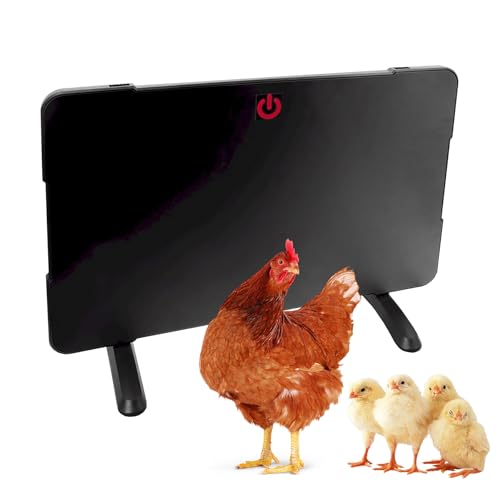
Farm Innovators, Inc. Radiant Chicken Coop Panel Heater
Safer than a heat lamp, it takes the edge off frigid nights in cold-climate coops.

Omlet Insulated Chicken Waterer, 3 Gallon
Keeps water cleaner and slows freezing so the flock always has fresh water.

Small Pet Select Pine Shavings Coop Bedding
Refresh bedding each month to control moisture, odor, and pests year-round.
Every-Month Core Tasks
No matter the season, a handful of tasks anchor each month. Refresh or add bedding and spot-clean droppings, do a partial deep clean of the coop, and scrub feeders and waterers to prevent mold and disease. Check and top up grit and oyster shell, review your feed stock so you never run out, and do a hands-on health check of each bird, looking for mites and lice around the vent, bumblefoot on the feet, and any change in appetite, droppings, or energy. These steady habits catch small problems before they grow.
Spring: Ramp-Up Season
Spring is when flocks come back to life. Laying picks up strongly as days lengthen, so collect eggs often and make sure nesting boxes are clean and ready. It is a great time for a thorough deep clean after winter, a fresh look at predator-proofing as hungry predators become active, and any coop repairs. Spring is also prime chick season, so if you are expanding the flock, set up the brooder and order or hatch chicks now for hens that will lay by late summer.
Summer: Beat the Heat
Summer care revolves around heat, which chickens handle far worse than cold. Provide constant cool, clean water, plenty of shade, and strong coop ventilation, and watch for heat stress signs like panting, spread wings, and lethargy. Frozen treats and cool water help birds cope on the hottest days. Summer is also peak predator and pest season, so stay vigilant about secure latches at night, collect eggs frequently in the heat, and keep an eye out for flies and mites that thrive in warm weather.
Backyard Chicken Keepers Planner
Track your chicken's health, meds, vet visits, mobility, nutrition, and quality of life, all in one printable planner.
Fall: Molt and Prep
Fall brings the annual molt for most hens, who drop and regrow feathers over several weeks while laying slows or pauses. Support them with a higher-protein feed to fuel feather growth, handle them gently since new pin feathers are tender, and be patient, because molt is normal and temporary. Fall is also the time to prepare for winter: check the coop for drafts at roost level, plan your water de-icing strategy, stock up on bedding and feed, and do repairs before the cold sets in.
Winter: Keep Them Dry and Watered
Winter chicken keeping is about moisture and water, not warmth. Chickens tolerate cold well, so the goal is a coop that blocks drafts at roost level while venting moist air up high, since damp air, not cold, causes frostbite. Use deep dry bedding, and make sure water never freezes with a heated waterer or frequent checks. Feed a bit more to fuel the extra energy birds burn staying warm. In very cold climates, a radiant panel heater adds a margin of safety, but resist sealing the coop airtight, which traps harmful moisture and ammonia.
Build Your Own Rhythm
Use this calendar as a starting framework and adjust it to your climate, flock, and setup. Jot the recurring tasks on a wall calendar or phone reminder, and tie seasonal jobs to the changing weather rather than exact dates. Over a single year the rhythm becomes second nature, and you will find that a few minutes of consistent monthly care keeps your coop clean, your birds healthy, and your egg basket full through every season.
Pet Insurance · Sponsored
Have a Dog or Cat at Home Too? Protect Them From Surprise Vet Bills
Most backyard chicken keepers share their home with a dog or cat as well, and one emergency visit can run into the hundreds or thousands. Pet insurance can help cover surprise vet bills so a sudden cost does not force a hard choice. Get a free quote and see what coverage fits your household.
Frequently Asked Questions
What chicken chores need doing every month?
Each month, deep clean part of the coop, refresh bedding, check and top up grit and oyster shell, inspect birds for mites and signs of illness, scrub feeders and waterers, and review your feed stock. Seasonal tasks layer on top: ventilation and shade in summer, draft-proofing and water de-icing in winter. A simple monthly rhythm keeps small problems from becoming big ones and keeps the flock healthy year-round.
How do I prepare my chicken coop for winter?
Block drafts at roost level while keeping vents open up high to release moisture, since damp air causes frostbite more than cold does. Add deep dry bedding, use a heated waterer or check water often so it never freezes, and make sure the flock has plenty of feed for extra winter energy. Chickens tolerate cold well, so resist over-sealing the coop, which traps harmful moisture and ammonia.
What should I do for my flock in summer?
Summer care centers on heat, which chickens handle worse than cold. Provide constant cool, clean water and shade, ensure strong coop ventilation, and watch for panting or lethargy that signals heat stress. Frozen treats, cool fresh water, and good airflow help birds cope. Summer is also peak laying and predator season, so collect eggs often and keep the coop securely closed at night.
When do chickens molt and what should I do?
Most hens molt in late summer or fall, dropping and regrowing feathers over several weeks, during which laying slows or stops. Support them with a higher-protein feed to fuel feather growth, reduce stress and handling since new pin feathers are tender, and be patient. Molt is normal and temporary. Laying usually resumes once the new feathers are in and, often, as daylight increases again.
How often should I deep clean the coop?
A full deep clean is commonly done a few times a year, with the deep litter method needing a big clean-out once or twice annually. Beyond that, spot-clean droppings and refresh bedding weekly to monthly depending on your system and flock size. Sand floors get scooped frequently but changed rarely. Watch for ammonia smell and dampness, which signal it is time to clean regardless of the calendar.
What seasonal health checks should I do?
Check birds regularly for external parasites like mites and lice around the vent and under wings, inspect feet for bumblefoot, watch droppings and breathing for signs of illness, and confirm everyone is eating, drinking, and active. Do a closer check at season changes and during molt. Catching problems early makes them far easier to treat, and a quick monthly hands-on inspection is one of the best habits a keeper can build.
Need more help with your flock?
Browse our guides by topic to find practical solutions.
Wellness Planner: $39