How to Build a Chicken Run: A Practical Guide
Build a safe, spacious chicken run: sizing per bird, hardware cloth and welded wire fencing, overhead netting against hawks, dig-proofing, and floor drainage tips.
A chicken run is the fenced outdoor space where your flock spends its days scratching, dust bathing, and soaking up sun while staying safe from predators and out of your garden. A good run is the difference between cooped-up, stressed birds and a content, active flock. Building one is a straightforward project, but a few details, especially around predator-proofing and drainage, separate a run that works for years from one that floods, sags, or gets raided. This guide walks you through sizing, fencing, covering, and finishing a run your chickens will thrive in.
Run Building Materials

SANZEUS SANZEUS Hardware Cloth, 48 in x 100 ft, 1/2 in
Predator-proof the lower run; stops raccoons, weasels, and rats.

GILPWA GILPWA Welded Wire Fence, 48 in x 50 ft
Adds affordable height to the upper run with rust-resistant coating.
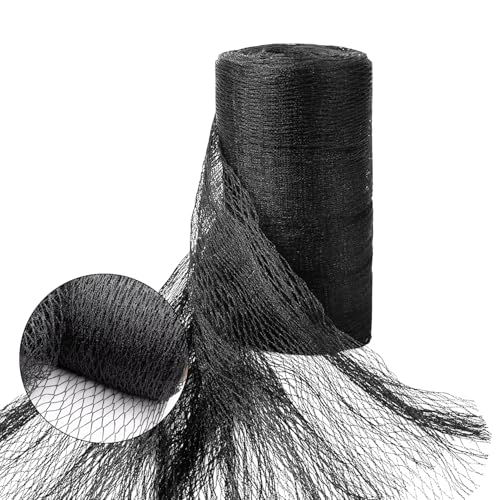
Vocray Vocray Bird Netting for Chicken Run, 25x50 ft
Cover the top to block hawks and keep birds from flying out.
Size the Run Generously
Start by deciding how much space your flock needs. The minimum is eight to ten square feet per standard bird, but more is always better, especially if the birds will live in the run most of the day rather than free-ranging. A cramped run leads to boredom, feather-picking, bullying, and disease, while a roomy one keeps birds calm and healthy. Sketch the footprint based on your current flock plus the chickens you will inevitably add later. Building big once is far cheaper and easier than expanding a too-small run down the road.
Frame It Sturdy
A simple, strong frame is all you need. Pressure-treated four-by-four corner posts set in the ground or on concrete footings, connected with two-by-four rails, create a rigid structure that holds fencing taut and supports an overhead cover. For a smaller run, a wood frame works beautifully; for larger spans, metal T-posts or a cattle-panel hoop can save money. Whatever you choose, make sure the frame is solid enough to keep fencing tight, since loose, saggy wire is both an eyesore and a weak point predators exploit.
Fence for Predators, Not Just Chickens
This is where most runs succeed or fail. Thin chicken wire keeps birds in but does almost nothing against determined predators that tear or reach through it. Use half-inch hardware cloth for at least the bottom two to three feet of the run, where raccoons, weasels, and rats attack, and you can run welded wire above for height at lower cost. Fasten everything with screws and washers rather than staples, which pull out easily. Overlap panels and leave no gaps larger than half an inch anywhere a small predator could squeeze through.
Backyard Chicken Keepers Planner
Track your chicken's health, meds, vet visits, mobility, nutrition, and quality of life, all in one printable planner.
Cover the Top
A run is not complete without an overhead barrier. Hawks and owls are a constant threat to uncovered runs, and an open top also lets birds flutter out. Stretch bird netting across the entire top as a minimum, or build a wire or solid roof for maximum security. A solid roof over at least part of the run adds shade in summer and a dry refuge in rain and snow, which your flock will use constantly. Covering the run solves aerial predators and escapes in one step, so do not skip it.
Stop the Diggers
Ground predators dig, so finish the perimeter against them. Either sink hardware cloth about a foot into the soil along the base of the fence, or lay a flat apron of hardware cloth extending eighteen inches outward from the fence and pin it to the ground. A predator digging at the fence line hits the wire and gives up. This buried or aproned skirt is easy to overlook but is one of the most effective defenses against foxes, dogs, and rats.
Finish With Good Drainage
A muddy run is a sick run, so plan drainage from the start. Build on a spot that does not pool water, and add a base layer of coarse sand, gravel, or deep wood chips to keep the surface dry and give birds something to scratch through. Rake and refresh the material periodically, and add a dust bath in a dry corner. With a roomy footprint, predator-proof fencing, a covered top, dig protection, and good drainage, your chicken run will keep your flock safe, active, and content for years to come.
Pet Insurance · Sponsored
Have a Dog or Cat at Home Too? Protect Them From Surprise Vet Bills
Most backyard chicken keepers share their home with a dog or cat as well, and one emergency visit can run into the hundreds or thousands. Pet insurance can help cover surprise vet bills so a sudden cost does not force a hard choice. Get a free quote and see what coverage fits your household.
Frequently Asked Questions
How big should a chicken run be?
Aim for at least eight to ten square feet of run space per standard bird, and more is always better. A roomy run means less boredom, pecking, and disease, and happier birds that stay put instead of testing the fence. If your flock will be confined to the run most of the day rather than free-ranging, lean toward the larger end or beyond. It is far easier to build big once than to expand a cramped run after the flock outgrows it.
What is the best fencing for a chicken run?
Half-inch hardware cloth is the gold standard for the lower portion of the run because it stops raccoons, weasels, and rats that slip through or reach through larger mesh. For the upper sections and overall structure, welded wire fencing adds height affordably. Avoid relying on thin chicken wire, which keeps birds in but does little against predators. A common approach is hardware cloth on the bottom two to three feet and welded wire above.
Does a chicken run need a roof or cover?
A cover is strongly recommended. An overhead barrier of bird netting, wire, or a solid roof stops hawks and owls from striking and keeps chickens from flying out. A solid roof over part of the run also provides shade and a dry area in bad weather, which birds love. At minimum, stretch bird netting across the top. If you live with heavy hawk pressure or want a fully predator-proof run, a covered top is essential rather than optional.
How do I stop predators from digging into the run?
Block diggers with a buried barrier. Either sink hardware cloth about twelve inches into the ground along the perimeter, or lay an apron of hardware cloth flat on the ground extending outward eighteen inches from the fence and pin it down. Predators dig at the base of the fence, hit the wire, and give up. This buried or aproned skirt is one of the most overlooked but important parts of a secure run, since foxes and rats are persistent diggers.
Can I move my chicken run around the yard?
Yes, a portable run or chicken tractor lets you give birds fresh ground regularly. Lightweight framed runs or movable electric poultry netting let you rotate the flock onto new grass, which spreads fertilizer, reduces parasite buildup, and gives birds fresh forage. Permanent runs are sturdier and easier to fully predator-proof, while movable setups offer flexibility and healthier ground. Many keepers use a fixed secure run as home base plus movable netting for supervised foraging.
What should I put on the floor of a chicken run?
Good drainage is the priority, so a base of coarse sand, wood chips, or gravel topped with material keeps the run from turning to mud. Deep wood chips or coarse sand drain well, control odor, and give birds something to scratch through. Avoid bare dirt that compacts and floods. Adding occasional fresh material and raking it keeps the run dry and pleasant. A wet, muddy run breeds disease and parasites, so plan drainage from the start.
Need more help with your flock?
Browse our guides by topic to find practical solutions.
Wellness Planner: $39