How to Fence In Free-Range Chickens
Fence in free-range chickens with movable electric poultry netting or welded wire: the right height, predator protection, rotating fresh ground, and night security.
Free-ranging gives chickens the life they love, full of foraging, dust bathing, and roaming, but letting them wander completely unfenced invites trouble: predators, traffic, ruined gardens, and unhappy neighbors. The middle ground is fencing in a free-range area, giving your flock a generous space to roam while keeping them safe and where they belong. With the right fence, especially movable electric netting, you can offer big foraging benefits with far better containment and protection. This guide covers how to fence in free-range chickens the smart way.
Free-Range Fencing Gear
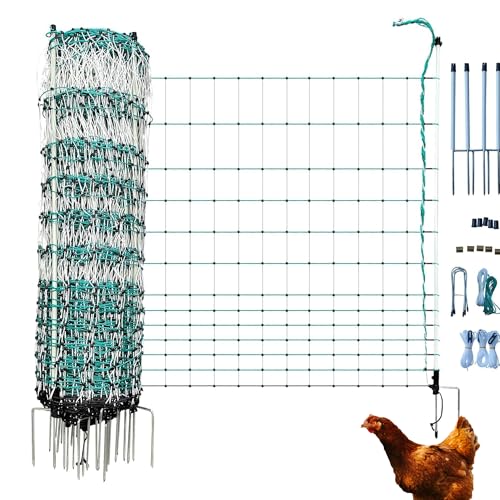
RentACoop RentACoop Electric Poultry Netting, 48 in x 168 ft
Movable, predator-deterring netting to create a foraging paddock you can relocate.

GILPWA GILPWA Welded Wire Fence, 48 in x 50 ft
A sturdy fixed-boundary option with rust-resistant PVC coating.

nolonly Solar Automatic Chicken Coop Door
Secures the flock in the coop at night, when most predator attacks happen.
Choose Your Fencing Type
Your first decision is movable versus fixed fencing. Portable electric poultry netting is the favorite among free-range keepers because it does three jobs at once: it contains the birds, deters ground predators with a harmless electric shock, and can be picked up and relocated to fresh ground. A fixed boundary of tall welded wire or poultry fencing is sturdier and more permanent, ideal if you want a defined, unchanging range. Many keepers use a permanent perimeter for the overall area plus movable netting inside it to rotate the flock. Match the choice to how much flexibility you want.
Get the Height Right
Free-range fencing needs to be tall enough that birds do not simply fly over it. Plan on at least four feet for heavy breeds and six feet for lighter, flightier ones. Standard electric poultry netting runs around four feet, which contains most chickens, helped by the deterrent effect of the current. If you keep athletic breeds like Leghorns, either go taller or clip one wing to reduce their lift. Crucially, keep launch points such as woodpiles, feeders, and equipment well away from the fence line, since anything to perch on beside the fence effectively shortens it.
Set Up Electric Netting Correctly
Electric netting only works if it is set up right. Pull the netting taut between its built-in posts on reasonably even ground, keeping the lowest strand close to the soil so birds cannot slip under. Connect it to a properly sized energizer, solar or plug-in, and confirm it is delivering a charge. Keep grass and weeds trimmed along the bottom, because vegetation touching the netting drains the current and weakens the deterrent. Chickens learn to respect the fence within a day or two, and so do predators, making it a powerful and flexible containment tool.
Backyard Chicken Keepers Planner
Track your chicken's health, meds, vet visits, mobility, nutrition, and quality of life, all in one printable planner.
Rotate for Fresh Ground
One of the best reasons to use movable netting is rotation. Rather than letting the flock destroy and foul a single patch, you can shift the paddock around the yard every week or two, giving birds fresh grass and bugs while spreading their manure as fertilizer and breaking parasite cycles. This rotational grazing keeps both your flock and your land healthier, prevents the bare, muddy ground that develops in a fixed area, and continually renews the foraging your chickens love. It is the closest thing to true free-ranging with the safety of a fence.
Remember Predators Come From Above Too
A fence handles ground predators, but it does nothing about the sky. Hawks and owls strike from above, so a fenced range still needs aerial awareness, especially in open areas. Provide overhead cover like trees, shrubs, or shade structures where birds can dash for safety, and consider netting over smaller paddocks if hawk pressure is high. A watchful rooster will also sound the alarm. Fencing is one strong layer of protection, not the whole defense, so pair it with cover against aerial threats.
Always Secure the Coop at Night
No matter how good your fence is, the most important rule of free-ranging is to lock the flock into a predator-proof coop every single night, because that is when the vast majority of attacks happen. An automatic coop door makes this effortless, closing at dusk and opening at dawn so you never forget. With a well-chosen fence at the right height, correctly set up electric netting, rotation for fresh ground, overhead awareness, and a secure coop at night, you can give your chickens the freedom of the range while keeping them safe, contained, and thriving.
Pet Insurance · Sponsored
Have a Dog or Cat at Home Too? Protect Them From Surprise Vet Bills
Most backyard chicken keepers share their home with a dog or cat as well, and one emergency visit can run into the hundreds or thousands. Pet insurance can help cover surprise vet bills so a sudden cost does not force a hard choice. Get a free quote and see what coverage fits your household.
Frequently Asked Questions
What is the best fencing for free-range chickens?
Movable electric poultry netting is the favorite among free-range keepers because it contains birds, deters ground predators, and can be relocated to give the flock fresh ground. For a fixed boundary, tall welded wire or poultry fencing works well. Electric netting offers the best balance of containment, predator protection, and flexibility, letting you create a large foraging paddock you shift around the yard. Pair any fence with overhead awareness, since fencing alone does not stop hawks.
How tall should a fence be for free-range chickens?
Aim for at least four feet for heavy breeds and six feet for lighter, flightier birds. Electric poultry netting typically comes around four feet tall, which contains most chickens, especially combined with the deterrent of the electric current. If you keep light breeds like Leghorns, go taller or clip one wing to reduce their lift. Keep launch points like woodpiles and equipment away from the fence line, since a perch beside the fence effectively lowers it.
Does electric poultry netting hurt chickens?
No. The current delivers a brief, startling shock that teaches birds and predators to keep their distance without causing injury. Chickens quickly learn to avoid it, and the same harmless jolt is a powerful deterrent to foxes, dogs, and coyotes. It is widely used and considered safe for poultry when set up correctly. Keep grass and weeds trimmed along the netting so they do not short out the current, and make sure the energizer is sized properly.
Can I move the fence to give chickens fresh ground?
Yes, that is one of the biggest advantages of portable fencing. Movable electric netting lets you create a foraging paddock and shift it around the yard every week or two, giving birds fresh grass and bugs while spreading their fertilizer and reducing parasite and manure buildup in any one spot. This rotational approach keeps both the flock and your land healthier. It combines much of the benefit of free-ranging with far better containment and predator protection.
Will a fence keep predators away from free-range chickens?
An electric fence deters ground predators well, but no fence is complete protection on its own. Electric netting discourages foxes, dogs, and coyotes from approaching, but hawks and owls strike from above, so a fenced area still needs overhead awareness, cover, or netting where aerial pressure is high. And no matter how good the fence, always lock the flock in a secure, predator-proof coop at night, when most attacks happen. Think of fencing as one strong layer among several.
How do I keep chickens from going under the fence?
Set the fence so it sits flush to the ground with no gaps, and keep the bottom edge tight against uneven spots where birds could squeeze under. For welded wire fencing, you can bury the bottom or pin it down with stakes. Electric netting works best on fairly even ground with the lowest strand close to the soil. Chickens are more likely to fly over than dig under, but a snug bottom edge closes off the easy gaps.
Is it better to free-range or keep chickens in a run?
Each has trade-offs, and many keepers combine them. Free-ranging gives birds maximum exercise, forage, and natural behavior but exposes them to predators and garden damage. A run is safer and contained but needs to be roomy and enriched. Fencing in a free-range area with movable netting bridges the two, offering large foraging space with much better protection. A common setup is a secure coop and run as home base plus a fenced or supervised range during the day.
Need more help with your flock?
Browse our guides by topic to find practical solutions.
Wellness Planner: $39