How to Keep a Chicken Coop From Smelling
Stop chicken coop odor for good: control moisture, choose absorbent bedding, ventilate properly, clean on a schedule, and use zeolite deodorizers to bind ammonia.
A healthy chicken coop should smell earthy and a little like the outdoors, not sharp, sour, or eye-watering. If yours has a strong odor, your nose is telling you something important, because that sharp ammonia smell is not just unpleasant for you and the neighbors, it is genuinely bad for your chickens' lungs. The good news is that a fresh coop is entirely achievable with a few simple habits. Odor almost always comes down to moisture and droppings, so once you control those, the smell disappears. Here is how to keep your coop fresh year-round.
Odor Control Essentials

Sweet PDZ Sweet PDZ Coop Refresher, Zeolite Odor Eliminator
Absorbs moisture and binds ammonia at the source under roosts and in boxes.

BobbleT Premium Pine Shavings Coop Bedding
Absorbent, odor-controlling bedding for the coop floor and nests.
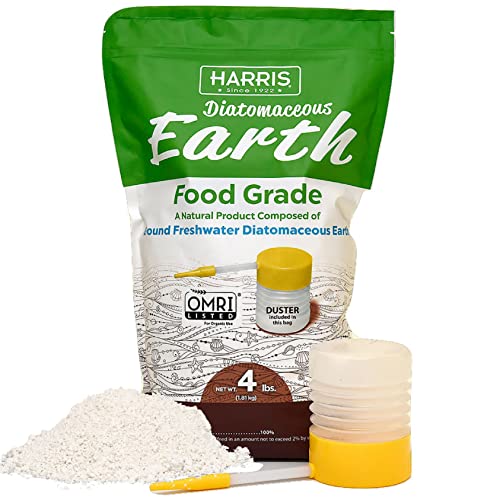
HARRIS HARRIS Food Grade Diatomaceous Earth, 4 lb
Helps keep bedding dry; mix in lightly to reduce moisture buildup.
Understand Where the Smell Comes From
Coop odor is really one thing: ammonia from wet droppings. Chicken manure is high in nitrogen, and when it gets damp it breaks down and releases ammonia gas, the source of that sharp, stinging smell. Everything else, from poor ventilation to overcrowding, simply makes that process worse by trapping moisture and concentrating droppings. Once you see odor as a moisture-and-manure problem, the solution becomes obvious: keep the coop dry, remove droppings regularly, and let stale air escape. Master those three and the smell has nowhere to come from.
Control Moisture First
Moisture is the root of nearly every coop odor problem, so attack it first. Fix any roof leaks, position waterers so spills do not soak the bedding, and consider keeping waterers in the run rather than inside the coop. Keep the coop floor and bedding dry, and address any drainage issues that let rain seep in. Wet bedding is the number one cause of that ammonia smell, so the drier you keep things, the fresher the coop stays. In humid or rainy weather, you may need to refresh bedding more often.
Choose the Right Bedding
Good bedding does a lot of the odor-fighting work for you. Pine shavings are the go-to choice because they are absorbent, control smell well, and compost nicely afterward. Sand is another option that dries droppings quickly and sifts clean easily, while hemp bedding is prized for its absorbency. Steer clear of cedar shavings, which release oils that can irritate chickens' airways. Whatever you pick, the principle is the same: keep it dry and refresh it before it gets soaked, since saturated bedding is where the smell lives.
Backyard Chicken Keepers Planner
Track your chicken's health, meds, vet visits, mobility, nutrition, and quality of life, all in one printable planner.
Ventilate Generously
Ventilation is the most underrated odor fighter. Without airflow, the moisture and ammonia your birds produce stay trapped inside, concentrating both the smell and the health risk. Add vents high on the walls, above the roosts, so damp, stale air rises and escapes without creating a cold draft on sleeping birds. Cover vents with hardware cloth for security. New keepers often seal coops too tightly trying to keep birds warm, but since chickens tolerate cold far better than poor air quality, when in doubt, add more ventilation.
Clean on a Schedule
Regular cleaning keeps odor from ever building up. Spot-clean droppings every day or two, especially under the roosts where they pile up overnight, and do a deeper bedding change every few weeks. A droppings board under the roost catches the bulk of the manure and makes daily cleanup a thirty-second job. If you prefer the deep litter method, add fresh bedding on top regularly and stir it so the lower layers compost in place, then do a full cleanout a couple of times a year. Either system works as long as wet material never accumulates.
Add a Deodorizer at the Source
For an extra layer of freshness, a zeolite-based coop refresher sprinkled under the roosts and in nesting boxes absorbs moisture and binds ammonia where it forms, neutralizing odor rather than masking it and extending the life of your bedding. A light dusting of food-grade diatomaceous earth can also help keep bedding dry. These additives are excellent helpers, but they work best alongside good ventilation and regular cleaning rather than in place of them. Combine dry conditions, smart bedding, strong airflow, routine cleaning, and a deodorizer, and your coop will stay fresh for both your flock and your neighbors.
Pet Insurance · Sponsored
Have a Dog or Cat at Home Too? Protect Them From Surprise Vet Bills
Most backyard chicken keepers share their home with a dog or cat as well, and one emergency visit can run into the hundreds or thousands. Pet insurance can help cover surprise vet bills so a sudden cost does not force a hard choice. Get a free quote and see what coverage fits your household.
Frequently Asked Questions
Why does my chicken coop smell so bad?
A smelly coop almost always comes down to moisture and droppings building up faster than they dry out. Chicken manure is high in nitrogen, and when it gets damp it releases ammonia, the sharp smell that stings your nose. Poor ventilation, wet bedding, leaks, spilled water, and overcrowding all make it worse. The fix is keeping things dry, removing droppings regularly, and providing good airflow. A well-managed coop should smell earthy, not sharp or eye-watering.
What is the best bedding to control coop odor?
Pine shavings are the popular favorite because they are absorbent, control odor well, and compost nicely. Some keepers use sand, which dries droppings quickly and is easy to sift clean, or hemp bedding, which is highly absorbent. Avoid cedar shavings, which can irritate chickens' respiratory systems, and avoid anything that stays damp. Whatever you choose, the key is keeping it dry and refreshing it before it gets soaked, since wet bedding is the main odor source.
How often should I clean the coop?
Spot-clean droppings every day or two, especially under the roosts where they concentrate overnight, and do a deeper bedding change every few weeks depending on flock size and weather. A droppings board under the roost makes daily cleanup quick. With the deep litter method, you instead add fresh material on top regularly and clean out fully a couple of times a year. Either way, the goal is never letting wet, soiled material accumulate enough to start smelling.
Does a coop deodorizer actually work?
Yes, products like zeolite-based coop refreshers genuinely help by absorbing moisture and binding ammonia. Sprinkled under the roosts and in nesting boxes, they neutralize odor at the source rather than just masking it, and they extend the life of your bedding. Food-grade diatomaceous earth can also help keep bedding dry. These are useful tools, but they work alongside good ventilation and regular cleaning, not as a substitute for them. No additive fixes a wet, poorly ventilated coop.
Can poor ventilation cause coop odor?
Absolutely, and it is one of the biggest culprits. Without good airflow, the moisture and ammonia chickens produce get trapped inside, concentrating the smell and harming the birds' lungs. Vents placed high on the walls, above roost level, let damp, stale air escape without blowing a draft on sleeping birds. Many new keepers seal coops too tightly to keep birds warm, which backfires. Since chickens handle cold better than heat, generous ventilation is almost always the right call.
Is the deep litter method good for odor?
Done right, deep litter actually controls odor well and reduces work. You start with a thick layer of bedding and keep adding fresh material on top, letting the lower layers slowly compost in place, which creates beneficial microbes that break down droppings. The key is keeping it dry and stirring it occasionally so it composts rather than rots. A healthy deep litter bed smells earthy and pleasant. A wet, neglected one smells terrible, so moisture control still rules.
Will a smelly coop make my chickens sick?
It can. The ammonia behind that sharp smell irritates chickens' eyes and respiratory tracts and, at high levels, makes them vulnerable to respiratory infections. If you can smell ammonia at chicken height, the level is already too high for the birds. That is your signal to improve ventilation, remove wet bedding, and clean more often. Keeping the coop dry and fresh is not just about your nose; it is a genuine health issue for the flock.
Need more help with your flock?
Browse our guides by topic to find practical solutions.
Wellness Planner: $39