How to Keep Chickens From Flying Over the Fence
Stop backyard chickens escaping over the fence: wing clipping, the right fence height, overhead run netting, and removing launch points to keep your flock contained.
Few things test a chicken keeper's patience like watching a hen casually flutter over a fence you were sure was tall enough. Chickens are not built for long flights, but most can get enough lift to clear a typical backyard fence, landing them in your vegetable beds, the neighbor's yard, or worse, in the path of a predator. The good news is that keeping them contained is very doable once you understand how they get over and stack a few simple defenses. This guide covers the practical ways to keep your flock on the right side of the fence.
Containment Gear
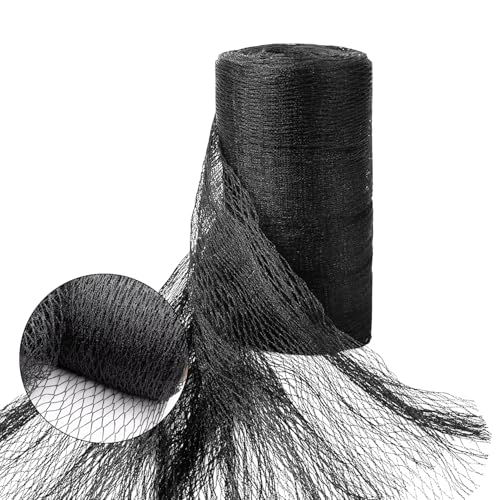
Vocray Vocray Bird Netting for Chicken Run, 25x50 ft
Cover the top of a run to stop birds flying out and hawks flying in.

GILPWA GILPWA Welded Wire Fence, 48 in x 50 ft
Raise fence height with sturdy PVC-coated welded wire fencing.

MAD SHARK MAD SHARK Heavy Duty Poultry Shears
Sharp shears for clipping flight feathers on one wing.
Know How Chickens Get Over
Chickens do not soar, they launch. A bird beats her wings hard for a burst of lift, often using a perch, feeder, or woodpile near the fence as a stepping stone. Most can reach four to six feet, and lighter breeds with a good launch point can clear more. Heavy breeds like Orpingtons, Brahmas, and Australorps rarely try, while light, athletic breeds like Leghorns, Hamburgs, and any game stock are the usual escape artists. Understanding this gives you two obvious levers: reduce their lift, and remove their launch points.
Option 1: Clip Their Wings
Wing clipping is the cheapest, fastest fix. Trimming the long primary flight feathers on a single wing throws the bird off balance so she cannot gain controlled height. It is painless when done on mature feathers, since flight feathers have no nerves once grown in, and it takes only a couple of minutes per bird. Clip just one wing for the unbalancing effect, and remember it lasts only until the next annual molt, so plan to check and re-clip roughly once a year. Clipping alone may not stop the lightest fliers, so treat it as one layer.
Option 2: Raise the Fence
A taller fence solves the problem for most flocks. Six feet stops nearly all chickens, while four feet is often enough for heavy breeds. You can extend an existing fence by adding a band of welded wire or poultry fencing along the top. Just as important, keep launch points away from the fence line. A feeder, perch, compost pile, or piece of equipment near the fence effectively shortens it, so clear a buffer zone and you may find the existing height was fine all along.
Backyard Chicken Keepers Planner
Track your chicken's health, meds, vet visits, mobility, nutrition, and quality of life, all in one printable planner.
Option 3: Cover the Run
If you want a true guarantee, cover the top of the run. Bird netting stretched over a fenced run is inexpensive, easy to install, and completely eliminates flying out. It comes with a major bonus: an overhead barrier also blocks hawks and owls from flying in, so you solve containment and aerial-predator protection in one move. For a permanent run, a covered wire or hardware-cloth top is even sturdier. A fully enclosed run is the only setup that contains even the most determined flier without fail.
Option 4: Make Home More Appealing
Sometimes the real issue is motivation. Chickens that constantly test the fence are often bored, crowded, or hunting for better forage. Give each bird enough space, roughly eight to ten square feet of run, and the urge to roam drops. Add dust baths, perches, scratch areas, a hanging cabbage or treat, and fresh ground to explore, and a contented flock has little reason to risk the fence. Enrichment is the quiet ingredient that makes every other containment measure work better.
Stack Your Defenses
The most reliable approach combines a few of these. Clip wings to cut lift, keep the fence tall enough and free of launch points, and cover the run if you have persistent escapees or hawk pressure. Layer in a roomy, enriched run so your birds are happy to stay put. With these measures working together, even a flock of flighty Leghorns will keep their feet on your side of the fence, your garden stays intact, and your chickens stay safe.
Pet Insurance · Sponsored
Have a Dog or Cat at Home Too? Protect Them From Surprise Vet Bills
Most backyard chicken keepers share their home with a dog or cat as well, and one emergency visit can run into the hundreds or thousands. Pet insurance can help cover surprise vet bills so a sudden cost does not force a hard choice. Get a free quote and see what coverage fits your household.
Frequently Asked Questions
How high can chickens fly over a fence?
Most backyard chickens can flutter four to six feet, and lighter breeds can clear even more with a running start or a perch to launch from. They do not fly far, but they generate enough lift to hop a typical garden fence. Heavy breeds like Orpingtons and Brahmas rarely bother, while light, athletic breeds like Leghorns and game birds are determined fliers. Knowing your breed's tendency helps you decide how tall a fence or what containment you really need.
Does clipping wings stop chickens from flying over fences?
It helps a lot but is not foolproof. Clipping the primary flight feathers on one wing throws a bird off balance so she cannot gain controlled height, which keeps most chickens grounded. Very light, motivated breeds may still flutter up a few feet, so clipping works best combined with adequate fence height or run netting. Remember that clipping lasts only until the next molt, so you will need to check and re-clip roughly once a year.
How tall does a chicken fence need to be?
Six feet stops most chickens, and many keepers find four feet enough for heavy breeds. For light fliers, six feet or an angled or covered top is safest. Height matters less if birds have something to perch on near the fence, since a launch point gives them extra lift, so keep woodpiles, equipment, and feeders away from the fence line. When in doubt, go taller or add overhead netting rather than gambling on a marginal height.
What is the most reliable way to contain chickens?
A fully enclosed run with overhead netting or a covered top is the only truly escape-proof option, and it has the bonus of keeping predators out too. Tall fencing and wing clipping reduce escapes but cannot guarantee containment for determined birds. If you want zero escapes, cover the run. Bird netting stretched over the top of a fenced run is inexpensive and stops both flying out and hawks flying in, solving two problems at once.
Why do my chickens keep escaping?
Usually they are bored, crowded, or seeking better forage. Chickens that fly the fence are often looking for more space, fresh ground to scratch, or relief from a dull run. Make their home more appealing with enough space, dust baths, perches, scratch areas, and enrichment, and the urge to escape drops sharply. Overcrowding is a common culprit, so make sure each bird has roughly eight to ten square feet of run space.
Will clipping one wing make a chicken lopsided or unhealthy?
No. Clipping trims only the long flight feathers, which have no nerves or blood once mature, so it is painless and harmless to the bird's health. An unbalanced clip simply prevents controlled flight; it does not affect walking, perching, or daily life. Birds with clipped wings forage, roost, and behave completely normally. The feathers regrow at the next molt, fully restoring flight, at which point you simply re-clip if needed.
Need more help with your flock?
Browse our guides by topic to find practical solutions.
Wellness Planner: $39