How to Keep Chickens Quiet for Neighbors
Keep backyard chickens quiet and neighbors happy: skip the rooster, use a no-crow collar, automatic doors, and reduce boredom noise with smart coop management.
One of the most common worries for new chicken keepers, especially on a suburban lot, is noise. Will the flock annoy the neighbors? The honest answer is that hens are usually quiet enough to go unnoticed, while roosters are a different story entirely. With a few smart choices, you can keep a flock that your neighbors barely register, and may even come to love thanks to the occasional carton of fresh eggs. This guide covers what actually makes chickens noisy and the practical ways to keep the peace.
Noise-Reducing Helpers
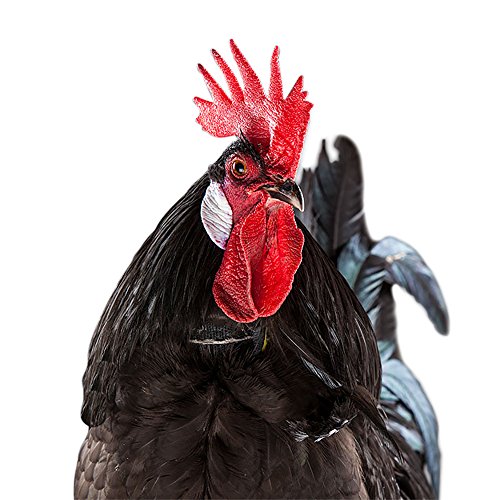
My Pet Chicken My Pet Chicken No-Crow Rooster Collar
A soft, adjustable collar that humanely reduces a rooster's crowing volume.

nolonly Solar Automatic Chicken Coop Door
Lets birds out at first light so they are not pacing and complaining at dawn.

Fluker's Fluker's Dried Soldier Worms Chicken Treats
Keep the flock busy and content, cutting down on bored, noisy nagging.
Hens Versus Roosters: Know the Difference
The first thing to understand is that hens and roosters are worlds apart when it comes to noise. Hens cluck, murmur, and chatter at a volume rarely louder than ordinary conversation, with their loudest moment being the egg song, a short burst of proud cackling around laying time. A rooster, by contrast, crows loudly and repeatedly all day starting before dawn, and that sound carries. The overwhelming majority of neighbor complaints are about roosters, not hens, so this distinction shapes every other decision.
Skip the Rooster Entirely
The single most effective way to keep your flock quiet is to not keep a rooster. Since hens lay eggs perfectly well without one, a rooster is only necessary if you want fertile eggs to hatch chicks. For eggs to eat, a hen-only flock gives you everything you want without the crowing. This is also why most towns and cities that allow backyard hens specifically ban roosters. If your goal is fresh eggs and happy neighbors, going hen-only solves the noise problem before it starts.
If You Must Keep a Rooster
Sometimes a rooster is part of the plan, whether for flock protection, breeding, or because you ended up with a surprise cockerel. In that case, a no-crow collar is the most common humane tool. Worn loosely around the neck, it limits the air a rooster can expel for a full crow, lowering the volume while still letting him eat, drink, and behave normally. Fit it carefully and loosely, and check the bird often. Keeping only one rooster also helps a great deal, since multiple roosters crow competitively and far more frequently.
Backyard Chicken Keepers Planner
Track your chicken's health, meds, vet visits, mobility, nutrition, and quality of life, all in one printable planner.
Tame the Dawn Chorus
Chickens are loudest at dawn, when they wake hungry and impatient to get out and forage. An automatic coop door that opens at first light lets them out before they start pacing and complaining, and it spares you a pre-dawn trip outside. Make sure food and water are available the instant they wake, since a hungry flock is a vocal one. For roosters, a darker, well-insulated coop can delay that first crow until a more neighborly hour. Small adjustments to the morning routine make a real difference in how much your flock is heard.
Reduce Boredom and Stress Noise
Much daytime noise comes down to unhappiness. Bored, crowded, hungry, or frightened birds vocalize more, so a content flock is naturally quieter. Give each bird enough space, keep food and water topped up, and add enrichment like dust baths, perches, scratch areas, and the occasional handful of treats to keep them busy and calm. Good predator security also matters, since the sight of a hawk or stray dog sets off loud alarm calls. A relaxed, well-provisioned flock simply has less to complain about.
Be a Good Neighbor
Finally, manage the relationship as much as the noise. Site your coop away from shared fences and bedroom windows, keep it clean to avoid odor and flies, and consider a friendly heads-up before you bring chickens home. A regular gift of fresh eggs turns potential complainers into fans. Most friction over backyard chickens comes from roosters, smell, or pests rather than hens themselves, so keep a tidy hen-only flock and a little goodwill, and your chickens will stay welcome on the block.
Pet Insurance · Sponsored
Have a Dog or Cat at Home Too? Protect Them From Surprise Vet Bills
Most backyard chicken keepers share their home with a dog or cat as well, and one emergency visit can run into the hundreds or thousands. Pet insurance can help cover surprise vet bills so a sudden cost does not force a hard choice. Get a free quote and see what coverage fits your household.
Frequently Asked Questions
Are hens loud enough to bother neighbors?
Most of the time, no. Hens are fairly quiet, clucking and murmuring through the day at a volume rarely louder than normal conversation. The exception is the egg song, a burst of loud cackling some hens make around laying time, which lasts a few minutes. Compared to a barking dog or lawn mower, a small flock of hens is modest. Roosters are the real noise concern, since their crowing is loud and frequent throughout the day.
Do I need a rooster to get eggs?
No. Hens lay eggs with or without a rooster present; a rooster is only needed to fertilize eggs for hatching chicks. If your goal is eggs for eating, you do not need a rooster at all, which neatly avoids the loudest source of chicken noise. Many towns ban roosters for exactly this reason while allowing hens. Keeping a hen-only flock is the single most effective way to stay on good terms with the neighbors.
How can I quiet a noisy rooster?
A no-crow collar is the most common humane option. It is a soft band worn loosely around the neck that limits the air a rooster can push out for a full crow, reducing volume without stopping him from eating, drinking, or behaving normally. Fit it correctly and loosely, and monitor the bird closely. Other tactics include a blackout coop that delays dawn crowing and keeping only one rooster, since multiple roosters crow competitively and far more often.
Why are my chickens so loud in the morning?
Chickens are most vocal at dawn when they wake hungry and eager to get out. The egg song also peaks in the morning as hens get to laying. You can soften the early racket by using an automatic door that lets birds out at first light so they are not pacing and complaining, and by making sure food and water are available the moment they wake. A calm, well-provisioned flock at dawn is a much quieter one.
What makes chickens noisy during the day?
Boredom, hunger, crowding, predators, and broody or distressed hens all trigger noise. A bored or overcrowded flock complains more, a hungry one nags, and the sight of a hawk or strange dog sets off alarm calls. Egg-laying brings the egg song. Address the root causes with enough space, steady food and water, enrichment, and predator security, and daytime noise drops. Persistent, unusual noise can also signal a health or stress problem worth investigating.
How do I keep good relations with neighbors over chickens?
Be proactive and generous. Keep a hen-only flock, site the coop away from shared fences and bedroom windows, keep things clean so there is no odor, and control flies and rodents. A friendly heads-up before you get chickens, plus the occasional gift of fresh eggs, goes a long way. Most neighbor complaints are about roosters, smell, or flies rather than hens themselves, so managing those proactively keeps everyone happy.
Will a smaller flock be quieter?
Generally yes. Fewer birds means fewer egg songs, less competition noise, and less general commotion. A small flock of three to six hens is quite manageable noise-wise for most suburban lots. That said, even a few hens will have their loud moments around laying, so the bigger levers are skipping the rooster and keeping the flock calm and well cared for. Size matters less than whether you keep a crowing male.
Need more help with your flock?
Browse our guides by topic to find practical solutions.
Wellness Planner: $39