How to Keep Flies Away From the Chicken Coop
Control coop flies for good: sanitation, moisture control, reusable fly traps, zeolite and diatomaceous earth, and natural herb deterrents to protect your flock.
Flies are one of the most persistent annoyances of chicken keeping, and in warm weather they can multiply alarmingly around a coop. Beyond the nuisance, heavy fly populations spread disease and can lead to flystrike, a serious condition that puts birds at real risk. The encouraging news is that flies are entirely manageable once you understand what draws them, which is moisture and manure, and attack the problem on a few fronts at once. This guide covers the sanitation habits, products, and natural deterrents that keep flies away from your flock.
Fly Control Tools

RESCUE! RESCUE! Reusable Outdoor Fly Trap
Catches large numbers of adult flies; hang a short distance from the coop.

Sweet PDZ Sweet PDZ Coop Refresher, Zeolite
Dries droppings and binds ammonia, making manure far less attractive to flies.
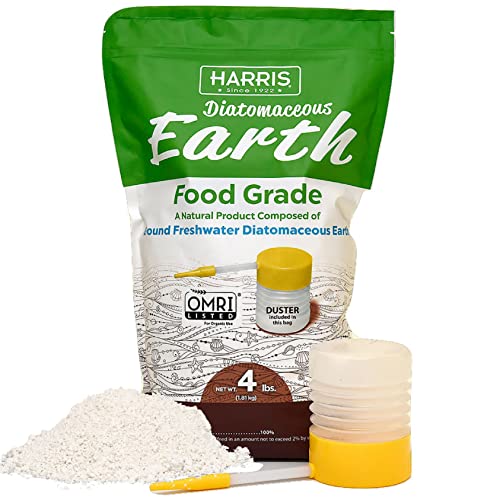
HARRIS HARRIS Food Grade Diatomaceous Earth, 4 lb
Dries manure and bedding so fly larvae cannot thrive; use food-grade lightly.
Know What Draws Flies In
Flies need moist organic matter to breed, and a coop can supply it in spades: wet droppings, damp bedding, spilled or soggy feed, and standing water are all prime breeding grounds. Females lay eggs in this material, and the larvae mature into more flies within days. That is why a coop can go from a few flies to a swarm in a week of warm, humid weather. Understanding this breeding cycle is the key, because the most effective control is removing the moist organic matter they depend on before they can use it.
Sanitation Is Your Foundation
Every fly control plan starts with cleanliness, because without moist manure to breed in, fly numbers simply cannot explode. Clean droppings from under the roosts every day or two, keep bedding dry and refresh it before it gets soaked, and clean up spilled feed promptly. Site any compost pile well away from the coop, and turn it regularly so it composts rather than rots. A clean, dry coop is the single most powerful fly deterrent there is, and every other method builds on top of it.
Dry Out the Manure
Since flies breed in wet droppings, drying out the manure is a direct attack on the problem. A zeolite-based coop refresher sprinkled under the roosts and in nesting boxes absorbs moisture and binds ammonia, making droppings far less hospitable to larvae while also cutting odor. A light dusting of food-grade diatomaceous earth in droppings areas helps keep things dry too. Drier manure means dramatically fewer flies, so these moisture-control products do double duty as both deodorizers and fly preventers.
Backyard Chicken Keepers Planner
Track your chicken's health, meds, vet visits, mobility, nutrition, and quality of life, all in one printable planner.
Trap the Adults
To knock down the flies already buzzing around, reusable outdoor traps are highly effective and catch impressive numbers. The important trick is placement: hang traps a short distance away from the coop and the birds rather than right beside them, because the bait is designed to attract flies, and you want to pull them away from the flock, not toward it. Traps catch adult flies but do not stop breeding, so use them alongside sanitation and moisture control rather than on their own.
Try Natural Deterrents
Several gentle, chemical-free methods help round out your defense. Planting or hanging fragrant herbs like mint, basil, lavender, and rosemary near the coop repels flies, and many keepers tuck fresh herbs into nesting boxes for a pleasant, fly-deterring touch. Fly predators, tiny beneficial insects you release near the coop, hunt and destroy fly larvae before they mature, breaking the breeding cycle naturally. These approaches work beautifully alongside sanitation and traps, letting you control flies without spraying harsh chemicals around your birds.
Keep the Run Dry Too
Do not forget the run, which can breed just as many flies as the coop if it stays wet. Improve drainage so water does not pool, rake regularly, remove manure buildup, and position waterers to avoid soaking the ground. Adding dry material like wood chips helps the run drain and stay less inviting to larvae. With a clean, dry coop and run, moisture-binding deodorizers, well-placed traps, and a few natural deterrents working together, you can keep flies from ever taking over, protecting both your comfort and your flock's health.
Pet Insurance · Sponsored
Have a Dog or Cat at Home Too? Protect Them From Surprise Vet Bills
Most backyard chicken keepers share their home with a dog or cat as well, and one emergency visit can run into the hundreds or thousands. Pet insurance can help cover surprise vet bills so a sudden cost does not force a hard choice. Get a free quote and see what coverage fits your household.
Frequently Asked Questions
Why does my chicken coop attract so many flies?
Flies are drawn to moisture, manure, spilled feed, and rotting organic matter, all of which a coop can offer if not managed. Wet droppings and damp bedding are the biggest magnets, since flies lay eggs in them and the larvae thrive. Spilled or wet feed and standing water add to the buffet. The more droppings and moisture pile up, the faster the fly population explodes, so good sanitation is the foundation of any fly control plan.
What is the best way to keep flies away from chickens?
Sanitation comes first: keep droppings cleaned up, bedding dry, and feed contained, because flies cannot breed without moist organic matter. Layer on traps to catch adults, deodorizers to dry and bind manure, and natural deterrents like herbs. Some keepers also use fly predators, tiny beneficial insects that destroy fly larvae. No single product replaces cleanliness, but combining a clean coop with traps and a moisture-control product keeps the fly population from ever taking off.
Are flies dangerous to chickens?
They can be. Beyond being a nuisance, flies spread disease and parasites, and large populations stress birds. The most serious risk is flystrike, where flies lay eggs on a soiled or wounded bird and the hatching maggots feed on the flesh, a painful and potentially fatal condition. Keeping birds and the coop clean and dry prevents it. If you ever find maggots on a bird or an open wound, treat it as urgent and contact a poultry-savvy vet.
Do fly traps work for chicken coops?
Yes, reusable outdoor fly traps catch large numbers of adult flies and noticeably reduce the population around a coop. Hang them a short distance away from the coop and birds rather than right at it, since the bait is designed to lure flies in, and you do not want to draw them toward the flock. Traps work best as one part of a plan that also includes sanitation and moisture control, since they catch adults but do not stop breeding.
Can I use diatomaceous earth for coop flies?
Food-grade diatomaceous earth can help by drying out manure and bedding, making it less hospitable for fly larvae, and it has some effect on insects it directly contacts. Sprinkle it lightly in droppings areas and bedding, using food-grade only and avoiding big airborne clouds that can irritate lungs. It is a useful supporting tool rather than a standalone fix. Pair it with regular cleanup and traps for the best results, since dry manure simply breeds far fewer flies.
What natural remedies repel flies around chickens?
Several gentle options help. Planting or hanging herbs like mint, basil, lavender, and rosemary near the coop deters flies, and some keepers tuck fresh herbs into nesting boxes. Keeping a tidy compost system well away from the coop reduces breeding sites. Fly predators, tiny beneficial insects released near the coop, attack fly larvae before they mature. These natural methods work well alongside sanitation and traps, building a layered defense without harsh chemicals near your birds.
How do I keep the run area from breeding flies?
Keep the run dry and clean. Standing water, wet patches, and accumulated droppings in the run all breed flies, so improve drainage, rake regularly, and remove manure buildup. Move waterers to avoid spills soaking the ground, and clean up any spilled feed promptly since it both attracts flies and draws rodents. Adding dry material like wood chips helps the run drain and stay less hospitable to larvae. A dry, tidy run is far less of a fly factory than a damp, neglected one.
Need more help with your flock?
Browse our guides by topic to find practical solutions.
Wellness Planner: $39