How to Keep Mice and Rats Out of the Chicken Coop
Rodent-proof your chicken coop: secure feed in metal bins, use rodent-resistant feeders, seal gaps with hardware cloth, and trap safely with tamper-resistant stations.
Where there is chicken feed, there will eventually be mice and rats trying to get to it. Rodents are one of the most common headaches in chicken keeping, and they are more than a nuisance: they steal feed, contaminate food and water, spread disease and parasites, and rats will even kill chicks and eat eggs. Left unchecked, a few mice become an infestation fast. The key to winning is denying them the three things they want, which are food, shelter, and a way in. This guide shows you how to rodent-proof your coop and deal with any rodents already present.
Rodent Control Gear
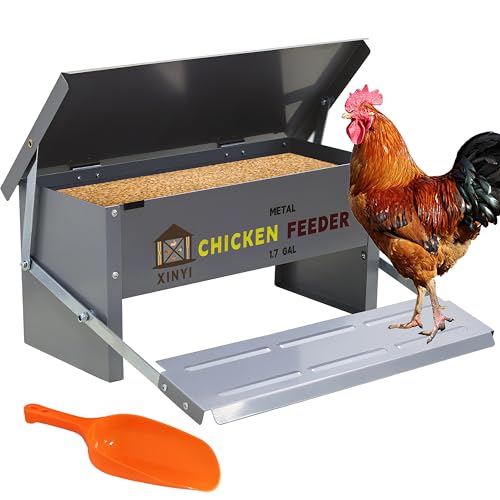
XINYI XINYI Treadle Chicken Feeder, 12 lbs
Opens only when a chicken steps on it, denying rodents access to feed.

Tomcat Tomcat Tamper-Resistant Bait Station
A child- and dog-resistant station so bait stays out of reach of the flock.

SANZEUS SANZEUS Hardware Cloth, 48 in x 100 ft, 1/2 in
Seal vents and openings and bury an apron to block tunneling rats.
Cut Off the Food Supply
Feed is the number one reason rodents move into a coop, so securing it is the most important step you can take. Store all feed in galvanized metal cans with tight-fitting lids, since rats easily chew through plastic bins and bags. Clean up spilled feed every day, and avoid leaving piles on the ground. The biggest upgrade is switching to a treadle feeder, which only opens when a chicken steps on the platform, keeping the feed sealed away from rodents the rest of the time. Remove or secure any open feeders at night, when rodents are most active. With no easy meal, rodents lose most of their reason to stay.
Eliminate Shelter and Hiding Spots
Rodents want somewhere safe to nest near their food. Keep the area around the coop tidy by removing woodpiles, tall weeds, clutter, and debris that offer cover. Rats love to tunnel and nest under coops, so a raised coop with no easy space beneath it, or one with a sealed floor, gives them fewer options. Keeping bedding managed and the coop clean removes another nesting opportunity. The less shelter you offer right next to the food, the less appealing your coop becomes as rodent real estate.
Seal Every Way In
Mice can squeeze through a gap the size of a dime and rats through a quarter-sized hole, so close them up. Inspect the coop for gaps around doors, vents, the roofline, and the floor, and seal anything larger than a quarter inch. Cover all vents and openings with half-inch hardware cloth rather than chicken wire, which rodents chew through. To stop rats tunneling under the coop or run, bury an apron of hardware cloth around the perimeter or sink it a foot into the ground. Exclusion is the most permanent fix, since a sealed coop simply cannot be entered.
Backyard Chicken Keepers Planner
Track your chicken's health, meds, vet visits, mobility, nutrition, and quality of life, all in one printable planner.
Trap and Bait Safely
For rodents already present, active control is needed. Snap traps set inside protected boxes the chickens cannot reach are effective and avoid the risk of secondary poisoning. If you use poison bait, use only tamper-resistant, locked bait stations placed well away from where the flock, pets, or wildlife can get to them, and follow the label exactly, since chickens can be harmed by ingesting bait or eating poisoned rodents. Run your traps or stations consistently until activity stops, because a half-hearted effort only thins the population temporarily. When unsure, your local extension office can advise on safe methods.
Stay Vigilant
Rodent control is ongoing rather than one-and-done. Watch for the warning signs, including droppings, gnaw marks, tunnels, disturbed feed, and rodents seen at dusk, and act quickly at the first hint rather than waiting for a full infestation. Keep feed secured, the area clean, and entry points sealed as permanent habits. With food cut off, shelter removed, the coop sealed tight, and consistent trapping when needed, you can keep mice and rats out for good, protecting your flock's health, your feed budget, and your eggs.
Pet Insurance · Sponsored
Have a Dog or Cat at Home Too? Protect Them From Surprise Vet Bills
Most backyard chicken keepers share their home with a dog or cat as well, and one emergency visit can run into the hundreds or thousands. Pet insurance can help cover surprise vet bills so a sudden cost does not force a hard choice. Get a free quote and see what coverage fits your household.
Frequently Asked Questions
Why are mice and rats attracted to chicken coops?
Coops offer rodents a buffet and a shelter all in one. Spilled and accessible feed is the main draw, followed by water, warmth, bedding to nest in, and even eggs and the occasional chick. Rats are especially bold and will tunnel under coops to nest. Once they find an easy food source, they breed quickly and a small problem becomes an infestation. Removing the food and shelter that attract them is the foundation of keeping them out.
How do I rodent-proof my chicken coop?
Cut off food, shelter, and entry. Store feed in metal containers with tight lids, use rodent-resistant feeders or remove feed at night, and clean up spills. Seal gaps larger than a quarter inch, since mice squeeze through tiny openings, and cover all vents and openings with half-inch hardware cloth, never chicken wire. Add a buried hardware-cloth apron to stop rats tunneling under. Together these steps make the coop far less attractive and much harder to enter.
Will chickens keep mice and rats away?
Not reliably. Chickens will sometimes catch and eat a mouse, but they do not deter a rodent population, and the feed you provide actively attracts rodents. Counting on the flock to handle the problem is a mistake. Rats in particular are a threat to chickens, capable of killing chicks and eating eggs, and they can spread disease to your birds. You need active prevention and control rather than relying on the chickens themselves.
Is it safe to use rat poison around chickens?
Loose poison is risky and should be avoided where chickens, pets, or wildlife can reach it, since chickens can ingest bait or eat poisoned rodents. If you use bait, use only tamper-resistant, locked bait stations placed where the flock absolutely cannot access them, and follow the label exactly. Many keepers prefer snap traps in protected boxes instead, which avoid secondary poisoning. When in doubt, prioritize exclusion and trapping, and consult your local extension office for guidance.
What is the most effective way to get rid of rats in a coop?
A combination approach works best: remove the food source, seal entry points, and trap aggressively. Start by securing all feed and eliminating spills, which alone discourages many rodents. Then set snap traps or use tamper-resistant bait stations in spots the chickens cannot reach, running them consistently until activity stops. Seal gaps and add hardware cloth so survivors cannot get back in. Persistence is key, since rats are smart and a half-hearted effort just thins the population temporarily.
How do I stop rodents from stealing chicken feed?
Control the feed and you control most of the rodent problem. Store feed in galvanized metal cans with tight lids, since rats chew through plastic. Use a treadle feeder that only opens when a chicken steps on it, denying rodents access, or simply remove feeders at night when rodents are most active. Clean up spilled feed daily and avoid leaving piles on the ground. With no easy meal available, rodents move on to look elsewhere.
Can mice and rats make my chickens sick?
Yes. Rodents can carry and spread diseases and parasites including mites and lice, contaminate feed and water with droppings and urine, and rats can directly kill chicks and eat eggs. Their presence is a genuine health and safety risk to the flock, not just a nuisance. This is why prevention matters even for a small infestation. Keeping rodents out protects your birds' health, your feed budget, and your eggs all at once.
Need more help with your flock?
Browse our guides by topic to find practical solutions.
Wellness Planner: $39