How to Make a Chicken Dust Bath (Easy DIY)
Build a simple chicken dust bath that controls mites and lice naturally. The right sand, wood ash, and diatomaceous earth mix, plus container ideas and winter tips.
Watching a hen flop into a patch of loose dirt, kick it everywhere, and roll around in pure bliss is one of the great joys of keeping chickens. It looks like play, and it is, but it is also serious self-care. Dust bathing is how chickens keep mites, lice, and excess oil off their skin and feathers. If your run is all grass or hard-packed dirt, your birds may not have a good spot to bathe, so building one is an easy weekend project that pays off in a cleaner, healthier, parasite-resistant flock. Here is how to make a dust bath your chickens will actually use.
Dust Bath Ingredients

Reliant Pet Reliant Pet Chicken Dust Bath, 7 lbs
A ready-made fine sand blend made for poultry, perfect as a clean base.
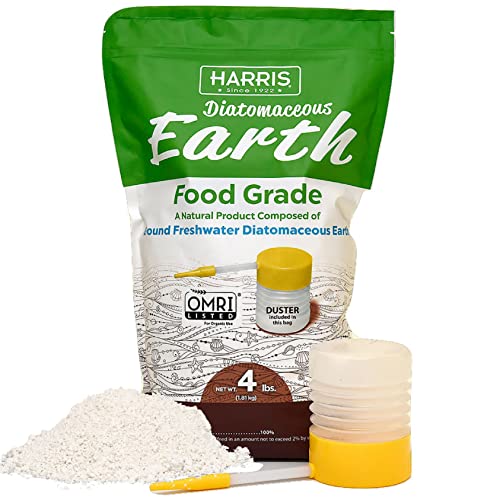
HARRIS HARRIS Food Grade Diatomaceous Earth, 4 lb
A light dusting helps control mites and lice; use sparingly and choose food-grade.

Blue Reason Blue Reason Ultra-Soft Wood Ash for Chickens
Adds the classic wood-ash component that conditions feathers and deters pests.
What Goes in a Good Dust Bath
A great dust bath comes down to a loose, fine, dry mix that coats the feathers and works down to the skin. You do not need anything fancy, and many keepers use materials they already have. A reliable recipe is roughly equal parts dry soil or play sand as the base, a generous handful of clean wood ash, and an optional light sprinkle of food-grade diatomaceous earth. Some keepers also add dried herbs like lavender or mint for a pleasant scent and mild pest-deterrent effect.
Just as important is what to leave out. Skip sharp construction sand, scented or treated products, anything that clumps, and pool-grade diatomaceous earth, which is chemically different and unsafe for birds. Keep diatomaceous earth to a light dusting rather than a thick layer, since the fine powder can irritate lungs if it billows up. The whole mix should feel powdery and dry, never damp or gritty.
Choosing a Container
The container just needs to be roomy and easy to refill. Popular choices include a large plastic storage tub, an old tire laid flat, a galvanized tub, a wooden box, or even a shallow kiddie pool. Aim for at least two feet across and several inches deep so a hen can crouch down, dig, and roll without the material spilling out instantly. For a bigger flock, go larger or set up two stations, because dust bathing is social and hens often pile in together.
Step-by-Step Setup
- Pick a dry, sheltered spot, ideally a sunny corner of a covered run where rain will not reach it.
- Place your container and fill it a few inches deep with the sand or dry soil base.
- Mix in a generous handful or two of wood ash and stir to blend.
- Add a light sprinkle of food-grade diatomaceous earth if you choose to use it, stirring it through evenly.
- Fluff the whole mix with your hands or a small rake so it is loose and powdery, then let the birds discover it.
Most chickens take to a new dust bath quickly, but if yours are hesitant, toss in a few scratch grains or scuff the surface with your hand to spark their curiosity. Once one hen hops in, the rest usually follow.
Backyard Chicken Keepers Planner
Track your chicken's health, meds, vet visits, mobility, nutrition, and quality of life, all in one printable planner.
Keeping the Dust Bath Dry Year-Round
Moisture is the enemy of a good dust bath. Wet material packs down, grows unappealing, and stops doing its job, so the priority in every season is keeping it dry. A covered run location handles most of this, but in heavy rain or snow you may want to move the bath inside the coop or under a shelter. In winter, a tub of dry sand and wood ash in a protected corner lets birds keep bathing even when the ground is frozen, which matters because mites and lice stay active through the cold months.
Maintenance Made Simple
Upkeep is minimal. Every couple of weeks, scoop out any droppings, stir the mix to loosen it, and top it up with fresh sand or soil since the birds fling a fair amount out during enthusiastic baths. Add a little wood ash now and then to refresh the blend. A clean, fluffy bath stays in heavy rotation, while a soiled, compacted one gets ignored. With a few minutes of attention now and then, your dust bath will keep your flock cleaner, calmer, and naturally protected against the parasites that plague chickens.
Pet Insurance · Sponsored
Have a Dog or Cat at Home Too? Protect Them From Surprise Vet Bills
Most backyard chicken keepers share their home with a dog or cat as well, and one emergency visit can run into the hundreds or thousands. Pet insurance can help cover surprise vet bills so a sudden cost does not force a hard choice. Get a free quote and see what coverage fits your household.
Frequently Asked Questions
Why do chickens take dust baths?
Dust bathing is how chickens keep themselves clean and parasite-free. By working fine dust down to the skin and through the feathers, then shaking it out, they smother and dislodge mites, lice, and excess oil. It is a natural, instinctive behavior that every healthy flock performs daily. A good dust bath keeps skin and feathers in great shape and is one of the simplest, cheapest parasite defenses you can offer your birds.
What should I put in a chicken dust bath?
A good base is loose, dry dirt or play sand mixed with a little wood ash and an optional sprinkle of food-grade diatomaceous earth. Many keepers add dried herbs too. The goal is a fine, powdery texture that coats the feathers. Avoid construction sand with sharp grit, scented products, and clumping materials. Keep the mix dry and fluffy, since wet or compacted material defeats the purpose and birds will ignore it.
Is diatomaceous earth safe in a dust bath?
Food-grade diatomaceous earth is widely used in small amounts to help control external parasites, but use it sparingly and with care. The fine powder can irritate the respiratory system of both birds and people if it becomes airborne in large clouds, so mix just a light dusting into the sand rather than a heavy layer. Always choose food-grade, never pool-grade. If you prefer to skip it, plain dry soil and wood ash still make an effective bath.
How big should a dust bath be?
Big enough for a hen to crouch, dig, and roll comfortably, roughly two feet square and several inches deep for a standard bird. A large plastic tub, an old tire, a kiddie pool, or a simple wooden box all work well. If you have a larger flock, provide more than one or make it bigger, since dust bathing is partly social and several hens often pile in together. More space means less squabbling over the prime spot.
Where should I put the dust bath?
Choose a dry, sheltered spot the birds use anyway, ideally with some sun and protection from rain. Inside a covered run is ideal because it stays dry year-round. Chickens love a sunny corner for a warm afternoon bath, so a spot that gets morning or midday sun is a bonus. The key requirement is keeping the material dry, so anywhere it will get rained on or stay damp is a poor choice.
Do chickens need a dust bath in winter?
Yes, parasites do not take the winter off, so birds still need to bathe. The challenge is keeping material dry and unfrozen. Set up a covered dust bath inside the coop or run using a tub of dry sand and wood ash, and refresh it as it gets damp or soiled. A dry winter bath keeps mites and lice in check during the months when birds spend more time indoors and closer together.
How often should I refresh the dust bath?
Top it up whenever it looks low, packed down, or soiled, which is usually every couple of weeks with regular use. Chickens fling material out as they bathe, so you will need to add fresh sand or soil periodically. Remove any droppings, stir the mix to keep it loose, and add a little wood ash now and then. A clean, fluffy bath gets far more use than a dirty, compacted one.
Need more help with your flock?
Browse our guides by topic to find practical solutions.
Wellness Planner: $39