How to Start a Backyard Chicken Flock
A beginner's step-by-step guide to starting a backyard chicken flock: checking local laws, choosing breeds, setting up the coop and brooder, and raising healthy, happy hens.
Starting a backyard flock is one of the most rewarding projects you can take on, and it is far more approachable than it looks. With a little planning, fresh eggs, friendly birds, and rich garden compost are all within reach. This guide walks you through the whole journey in order: checking the rules, choosing your birds, setting up their home, and caring for them through their first months. Take it step by step and you will go from curious beginner to confident keeper in a single season.
Starter Essentials for Your First Flock

Manna Pro Medicated Chick Starter Feed
Complete high-protein starter to feed chicks from day one through the brooder weeks.

RentACoop Brooder Heating Plate for Chicks
A safer alternative to a heat lamp that gives chicks warmth to huddle under.
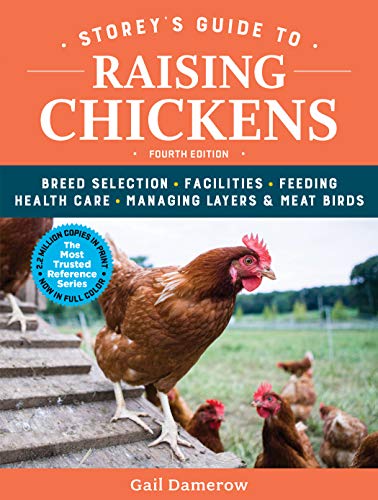
Storey Publishing Storey's Guide to Raising Chickens
The classic reference covering breeds, housing, feeding, and flock health for beginners.
Step 1: Check Your Local Laws
Before you buy a single chick, find out what your town or HOA allows. Many areas permit backyard hens but cap the number of birds, ban roosters because of noise, or set rules about coop placement and distance from property lines. A quick call to your city or county, or a look at the municipal code, saves heartbreak later. Knowing your limits also shapes your plan: how many birds, hens only or a rooster too, and where the coop can go.
Step 2: Choose Your Birds
Decide how many chickens and which breeds. Three to six hens suits most beginners, since chickens are social and a half-dozen supplies plenty of eggs. Pick hardy, docile, reliable layers for your first flock: Rhode Island Reds, Australorps, Orpingtons, Plymouth Rocks, or hybrids like ISA Browns are all forgiving choices. Mixing two or three calm breeds gives you a friendly flock and a colorful egg basket. Then decide whether to start with day-old chicks, which need brooding, or point-of-lay pullets, which lay sooner.
Step 3: Set Up the Coop and Run
Have the coop ready before the birds come home. It must be predator-proof and roomy, about 4 square feet per bird inside and 8 to 10 square feet each in the run. Use half-inch hardware cloth instead of chicken wire, fit secure two-step latches, and provide good ventilation up high, roosting bars, and nesting boxes (one per three to four hens). Whether you build or buy, set it up, test the latches, and add bedding so the home is waiting when your flock arrives.
Step 4: Brood Your Chicks (If Starting Young)
If you start with chicks, they live indoors in a brooder for about six weeks. Set up a draft-free space with a brooder heat plate started warm, around 95 degrees in the warmest spot the first week, then lowered each week as they feather out. Provide chick starter feed, clean water in a shallow waterer they cannot drown in, and dry bedding. Watch for pasty butt in the early days and keep everything clean to prevent coccidiosis. Let the chicks' behavior guide the temperature: piling means cold, scattering and panting means hot.
Backyard Chicken Keepers Planner
Track your chicken's health, meds, vet visits, mobility, nutrition, and quality of life, all in one printable planner.
Step 5: Move the Flock Outside
Around six weeks, once chicks are fully feathered and outdoor temperatures are mild, they move to the coop. Do it gradually if the weather is cool, and make sure the coop is secure and the birds can find food and water. Young birds, called pullets, will settle into the coop, establish a pecking order, and grow toward laying age. Keep them on starter or grower feed until they reach point of lay.
Step 6: Transition to Laying and Daily Care
At around 18 to 22 weeks, hens begin to lay. Switch laying hens to layer feed, or all-flock feed with free-choice oyster shell for mixed flocks, and provide grit so they can digest treats and forage. Daily care is quick: open the coop, check feed and water, collect eggs, and lock up securely at dusk, with a weekly cleaning and periodic deep clean. An automatic door and a large feeder and waterer trim the routine even further.
You Are Ready
That is the whole arc, from checking the rules to gathering your first eggs. Start small, prioritize a secure coop and clean water, choose forgiving breeds, and let the birds teach you as you go. Within a single season you will have a thriving flock, a steady supply of fresh eggs, and a new hobby that tends to grow on you fast.
Pet Insurance · Sponsored
Have a Dog or Cat at Home Too? Protect Them From Surprise Vet Bills
Most backyard chicken keepers share their home with a dog or cat as well, and one emergency visit can run into the hundreds or thousands. Pet insurance can help cover surprise vet bills so a sudden cost does not force a hard choice. Get a free quote and see what coverage fits your household.
Frequently Asked Questions
How many chickens should I start with?
Three to six hens is a great starting flock for most families. Chickens are social and do best in groups of at least three, and a half-dozen hens will supply plenty of eggs for a household without overwhelming a beginner. Check your local limits first, since some towns cap flock size or ban roosters. You can always add more birds later once you have the basics down.
Should I start with chicks or grown hens?
Both work. Day-old chicks are inexpensive, let you bond with the birds, and let you pick breeds, but they need a brooder and about six weeks of care before they go outside, and roughly five months before they lay. Started pullets or grown hens cost more but skip the brooding stage and lay sooner. Beginners who want eggs fast may prefer point-of-lay pullets, while those who enjoy the process often start with chicks.
How long until my chickens start laying eggs?
Most hens begin laying at around 18 to 22 weeks of age, depending on breed and the time of year. Production breeds tend to start earlier, while heavier or heritage breeds may take longer. If you start with day-old chicks in spring, expect first eggs in late summer or early fall. Starting with point-of-lay pullets gets you eggs within weeks instead of months.
Do I need a rooster to get eggs?
No. Hens lay eggs with or without a rooster, so for a backyard egg supply you do not need one. A rooster is only required if you want fertile eggs to hatch chicks. Many towns ban roosters because of the noise, so check your local rules. A flock of hens alone will lay happily and is usually quieter and easier for neighbors.
What breed is best for beginners?
Beginner-friendly breeds are hardy, calm, and reliable layers. Popular choices include the Rhode Island Red, Australorp, Orpington, Plymouth Rock, and hybrid layers like the ISA Brown or Golden Comet. These birds tolerate a range of climates, handle confinement well, and lay consistently. Mixing two or three docile breeds gives you a friendly flock and a varied egg basket while you learn the ropes.
How much time does keeping chickens take?
Daily care is quick, often 10 to 15 minutes: let the flock out, check food and water, collect eggs, and lock up at dusk. Add a more thorough coop clean weekly and a deep clean periodically. An automatic coop door and a large feeder and waterer reduce the daily load further. Chickens are among the lower-maintenance backyard animals once their setup is dialed in.
Need more help with your flock?
Browse our guides by topic to find practical solutions.
Wellness Planner: $39