How to Tame and Hold Chickens the Right Way
Tame skittish backyard chickens with patience and treats, then learn the safe way to pick up and hold a hen so she stays calm. Breed tips and handling techniques.
There is something deeply satisfying about a hen who runs to greet you, hops into your lap, and settles in to be held. Tame chickens are not only more enjoyable, they are far easier to manage, since a calm bird is simpler to health-check, treat, and move. The good news is that almost any chicken can become friendly with the right approach, which comes down to patience, treats, and confident handling. This guide walks you through winning your flock's trust and the safe, low-stress way to pick up and hold a chicken.
Taming Treats and Gear

Fluker's Fluker's Dried Soldier Worms Chicken Treats
An irresistible hand-feeding treat that builds trust fast.
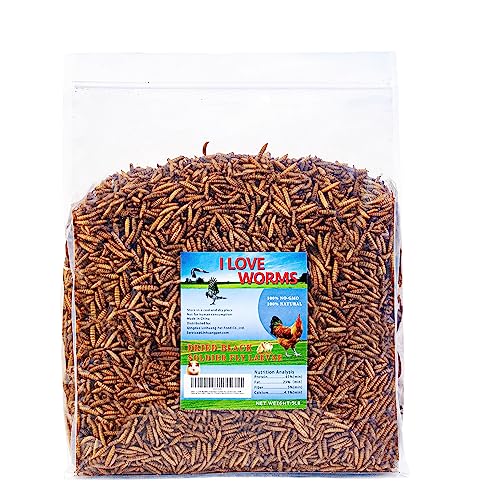
I LOVE WORMS I LOVE WORMS Dried Black Soldier Fly Larvae, 5 lb
A bulk, protein-rich treat for daily hand-taming sessions.

Wells Lamont Wells Lamont Leather Work Gloves
Handy for confidently holding a wary or new bird without scratches.
Understand Chicken Psychology
To tame a chicken, it helps to remember that chickens are prey animals, hardwired to flee anything that looms over them or grabs suddenly, since that is exactly how a hawk or fox attacks. When you reach down from above to snatch a bird, you are unintentionally acting like a predator, which triggers panic. Successful taming works with this instinct rather than against it: stay low, move slowly, let birds approach you, and become a reliable source of good things. Once a chicken decides you are safe and mean food, the relationship transforms.
Build Trust With Daily Presence
The foundation of a tame flock is simple, consistent time together. Spend a few quiet minutes near your chickens every day, sitting or crouching at their level so you are not towering over them. Let them grow accustomed to your voice, movements, and smell without any pressure. Curious birds will come investigate, and the bolder ones set the example for the rest. This daily calm presence, repeated over days and weeks, does more to tame a flock than any single technique. Consistency is everything.
Win Them Over With Treats
Chickens are intensely food-motivated, which makes treats your most powerful taming tool. Start by scattering a favorite treat like dried mealworms near your feet so birds associate your presence with good things. As they grow bolder, offer treats from an open, flat palm held low and still. Before long, your flock will come running the moment they see you. Keep treats to a modest portion so they do not crowd out balanced feed, but used regularly, hand-feeding builds trust faster than anything else.
Backyard Chicken Keepers Planner
Track your chicken's health, meds, vet visits, mobility, nutrition, and quality of life, all in one printable planner.
How to Pick Up a Chicken Safely
Once a bird tolerates your presence, you can begin handling. The golden rule is to secure the wings first so the chicken cannot flap, since flapping is what panics both of you. Here is the technique:
- Approach calmly and confidently, ideally cornering the bird gently rather than chasing it around the run.
- Place both hands over the wings to pin them against the body before you lift.
- Slide one hand under the chest from the front, letting the legs dangle on either side of your fingers for support.
- Lift smoothly and tuck the bird snugly against your body, keeping the wings held so they stay folded.
- Support the weight from below and hold firmly but gently; a secure bird relaxes, while a loose hold invites struggling.
Holding a Chicken Calmly
The most reliable hold is often called the football hold: tuck the bird under one arm with its head pointing toward your back and its body supported along your forearm, keeping the wings pinned. Most chickens settle quickly when held this way, and gently covering or shading the eyes can calm a nervous bird further. Keep your movements smooth and your grip confident. The calmer and more assured you are, the calmer the bird becomes, since they take their cue from how steadily they are held.
Start Young and Choose Calm Breeds
Two factors make taming dramatically easier. First, handle birds young: chicks gently held from their first days in the brooder grow into the friendliest, most relaxed adults. Second, breed matters. Docile breeds like Orpingtons, Australorps, Silkies, Cochins, Brahmas, and Sussex are naturally mellow and quick to bond, while lighter, flightier breeds like Leghorns take more patience. Whatever birds you have, daily presence, generous treats, and calm, confident handling will, over time, turn even a skittish flock into chickens that happily come to you and settle in to be held.
Pet Insurance · Sponsored
Have a Dog or Cat at Home Too? Protect Them From Surprise Vet Bills
Most backyard chicken keepers share their home with a dog or cat as well, and one emergency visit can run into the hundreds or thousands. Pet insurance can help cover surprise vet bills so a sudden cost does not force a hard choice. Get a free quote and see what coverage fits your household.
Frequently Asked Questions
How do I tame skittish chickens?
Patience and treats are the formula. Spend calm, quiet time near the flock every day so they get used to your presence without feeling threatened, and offer favorite treats like dried mealworms from your hand. Move slowly, sit low to their level, and let curious birds approach you rather than chasing them. Over days and weeks, they learn you mean food and safety, not danger. Consistency matters far more than any single session, so show up daily.
What is the best way to pick up a chicken?
Approach calmly and confidently, then secure both wings against the body before lifting so the bird cannot flap. Slide one hand under the chest between the legs with a finger between them for support, and use your other hand or forearm to keep the wings tucked and steady. Hold the bird firmly against your body. A bird that cannot flap feels secure and stays calm, while loose wings lead to panicked flapping that stresses both of you.
How do I hold a chicken so it stays calm?
Keep the wings pinned and tuck the bird snugly against your body, supporting the chest and legs from below. Many chickens settle quickly when held this way, especially if you cover their eyes gently or keep them facing into your arm. The football hold, with the bird tucked under one arm and head pointing back, works well for most. Calm, confident handling reassures the bird; hesitant grabbing and loose holds make them struggle.
Do treats really help tame chickens?
Yes, treats are the fastest path to a friendly flock. Chickens are highly food-motivated, and offering favorites like dried mealworms, scratch grains, or chopped vegetables from your hand builds a strong positive association with you. Start by scattering treats near you, then progress to feeding from an open palm as birds grow bolder. Soon they will come running when they see you. Use treats in moderation so they do not crowd out balanced feed, but they are your best taming tool.
At what age should I start handling chicks?
Begin gentle handling early, from the first days in the brooder, with short, calm sessions. Chicks handled often while young typically grow into the friendliest, most relaxed adults because they imprint on human contact as normal and safe. Keep sessions brief and gentle, support the chick fully, and avoid grabbing from above, which mimics a predator. Even if you adopt older birds, regular calm handling and treats will tame most of them over time, just more slowly.
Why won't my chickens let me hold them?
Usually it is instinct plus inexperience. Chickens are prey animals, so being grabbed from above or chased triggers their flee response, and birds that were not handled young are naturally warier. Build trust gradually with daily calm presence and hand-fed treats before expecting to hold them, and always approach low and slow rather than reaching down from above. Some breeds are simply more flighty than others, so manage your expectations by breed and keep at it patiently.
Which chicken breeds are friendliest and easiest to tame?
Docile, calm breeds tame most easily, including Orpingtons, Australorps, Silkies, Cochins, Brahmas, and Sussex. These breeds tend to be mellow, tolerant of handling, and quick to bond, making them ideal for families and beginners. Lighter, more active breeds like Leghorns and most game birds are flightier and harder to tame, though still possible with patience. If a friendly, holdable flock is your goal, choosing gentle breeds from the start gives you a big head start.
Need more help with your flock?
Browse our guides by topic to find practical solutions.
Wellness Planner: $39