Why Is My Chicken Eating Eggs?
Egg eating starts by accident and becomes a stubborn habit. Learn what triggers it, how to stop it with nutrition, frequent collection, and roll-away boxes, and how to prevent it.
Finding a broken shell and a smear of yolk in the nesting box, with no egg to collect, is a frustrating discovery. Worse is realizing one of your own hens is the thief, helping herself to breakfast before you ever get there. Egg eating is a maddening habit, but it is also a solvable one, and understanding why it starts is the first step to ending it.
Egg eating almost always begins by accident: an egg breaks in the nest, a hen tastes it, finds it delicious, and learns to do it on purpose. The main drivers are broken eggs from flimsy shells or crowded boxes, calcium or protein deficiency, boredom, and eggs left sitting too long. Because the habit is rewarding and contagious, the keys are removing the reward and fixing the underlying causes quickly.
Egg Eating Solutions

Tiflev Tiflev Roll-Away Nesting Box
Sloped nest rolls eggs out of reach so hens cannot eat them.
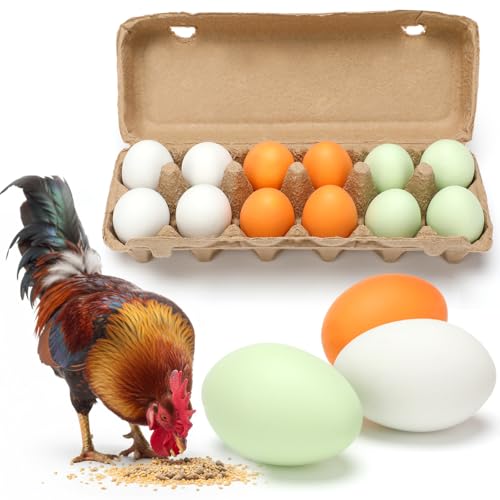
JolliLudo JolliLudo Ceramic Nesting Eggs
Hard dummy eggs that frustrate peckers and help break the habit.

Pecking Order Pecking Order Oyster Shell
Free-choice calcium for strong shells that resist breakage.
Common causes, most likely first
An accidental first taste
Most egg eating traces back to a single broken egg. An egg cracks in the nest, whether stepped on, laid by a hen with weak shells, or jostled in a crowded box, and a curious hen investigates. The contents are rich and tasty, she makes the connection, and she starts seeking out eggs deliberately. From that point it is a learned behavior, and other hens watching her often pick it up too.
Calcium and protein deficiency
Nutrition is a major underlying factor. A hen short on calcium may eat eggs to reclaim the mineral stored in the shell, and a deficiency also produces thin, fragile shells that crack easily and tempt tasting. Inadequate protein can drive a similar nutrient-seeking behavior. Feeding a complete layer ration plus free-choice oyster shell addresses both the weak shells and the nutritional drive behind the habit.
Poor nesting setup and infrequent collection
Crowded, too few, or poorly padded nesting boxes lead to eggs being stepped on and broken. Bright, exposed boxes make eggs easier to see and peck. And eggs left in the nest for hours, especially if you collect only once a day or less, give bored hens time and opportunity to start pecking. A dim, private, well-cushioned box and frequent collection remove much of the temptation.
Boredom
Idle chickens get into trouble, and a bored flock in a bare run will peck at anything interesting, including eggs. Boredom-driven egg eating is most common in confined birds with little to do. Enrichment such as space to forage, hanging treats, and a dust bath redirects that energy away from the nest.
What to do
- Collect eggs frequently, several times a day if you can, so none sit around to be broken or pecked.
- Switch to roll-away nesting boxes, which carry the egg out of reach the moment it is laid, removing the opportunity entirely.
- Place ceramic or wooden dummy eggs in the boxes. Pecking a hard fake egg is unrewarding and discourages the habit.
- Feed a complete layer diet with free-choice oyster shell to strengthen shells and meet calcium needs.
- Make boxes dim, private, and well padded so eggs do not break and are harder to see and reach.
- Provide enough boxes and reduce crowding, and add enrichment to fight boredom.
- Try to identify and watch the culprit, looking for yolk smeared on a hen's beak or feathers.
| Trigger | Fix |
|---|---|
| Eggs left in the nest too long | Collect several times a day |
| Thin, breakable shells | Layer feed plus free-choice oyster shell |
| Eggs accessible in the nest | Roll-away nesting boxes |
| Curious pecking | Hard ceramic dummy eggs |
| Bright, crowded, bare boxes | Dim, padded, private, adequate boxes |
| Boredom in a bare run | Enrichment and foraging |
Backyard Chicken Keepers Planner
Track your chicken's health, meds, vet visits, mobility, nutrition, and quality of life, all in one printable planner.
When to worry and call a vet
Egg eating is a behavior problem, not a medical emergency, so it does not usually call for a vet. The fix is management: remove the reward with roll-away boxes and frequent collection, strengthen shells and meet nutritional needs, and address boredom. Act quickly, because the longer the habit runs and the more birds learn it, the harder it is to break.
Where a vet or your local extension office can help is on the nutritional side, if you cannot get shell quality under control despite feeding a proper layer diet with calcium. Persistently thin or shell-less eggs can point to an underlying health or reproductive issue worth investigating, particularly in older hens. Likewise, if egg eating coincides with hens that seem unwell, are losing condition, or are laying abnormal eggs, look beyond the behavior itself to the birds' overall health. For the typical egg-eating habit, though, a determined management plan is what wins the day.
Pet Insurance · Sponsored
Have a Dog or Cat at Home Too? Protect Them From Surprise Vet Bills
Most backyard chicken keepers share their home with a dog or cat as well, and one emergency visit can run into the hundreds or thousands. Pet insurance can help cover surprise vet bills so a sudden cost does not force a hard choice. Get a free quote and see what coverage fits your household.
Frequently Asked Questions
Why do chickens start eating their own eggs?
Egg eating usually starts by accident. An egg gets broken in the nest, a curious hen tastes the contents, discovers they are delicious, and a habit is born. Underlying triggers include a calcium or protein deficiency that drives hens to seek nutrients, overcrowded or poorly designed nesting boxes where eggs break easily, boredom, and eggs left in the nest too long. Once one bird learns, others often copy her.
Is egg eating a hard habit to break?
It can be, which is why prevention matters so much. The behavior is self-rewarding, since the hen gets a tasty, nutritious treat each time, so the longer it continues the more entrenched it becomes, and it can spread through the flock. The good news is that with quick action, removing the reward and fixing the underlying causes, many keepers successfully stop it, especially if they catch it early before it becomes a flock-wide habit.
Does a calcium deficiency cause egg eating?
It is a common contributor. Hens with too little dietary calcium may instinctively eat eggs to recover the calcium locked in the shell, and a deficiency also produces thin, fragile shells that break easily and invite tasting. Providing a complete layer feed plus free-choice oyster shell ensures hens get enough calcium, which both strengthens shells and reduces the nutritional drive to eat eggs. Adequate protein matters too.
How do roll-away nesting boxes stop egg eating?
A roll-away nesting box has a sloped floor so that as soon as a hen lays, the egg gently rolls out of her reach into a collection tray. Because the egg is no longer accessible in the nest, hens cannot peck or eat it, which removes the opportunity entirely. Roll-away boxes are one of the most effective long-term solutions for a flock that has developed an egg-eating habit, especially when paired with frequent collection.
Do fake eggs help stop egg eating?
They can help discourage it. Ceramic or wooden dummy eggs are hard and unrewarding to peck, so a hen that has been tasting eggs gets a frustrating, fruitless experience and may give up the habit. They also help train hens to lay in the right spot. Fake eggs work best as part of a broader plan that includes more frequent collection, better nutrition, and darker, well-padded nesting boxes.
How can I prevent egg eating in the first place?
Collect eggs often so none sit around to get broken or boredom-pecked, provide plenty of well-padded nesting boxes in a dim, private spot, and feed a complete layer diet with free-choice oyster shell for strong shells. Keep enough nesting boxes for your flock, avoid overcrowding, and give birds enrichment to fight boredom. Prompt collection and good nutrition prevent the vast majority of egg-eating problems before they ever start.
Can I tell which hen is eating the eggs?
Sometimes. Look for telltale yolk or dried egg smeared on a hen's beak, face, or feathers, and watch the nesting boxes quietly to catch the culprit in the act. Identifying the offender lets you focus your efforts, though the fixes, removing the reward and addressing nutrition and box setup, benefit the whole flock anyway. If multiple birds have learned the habit, roll-away boxes become especially valuable.
Need more help with your flock?
Browse our guides by topic to find practical solutions.
Wellness Planner: $39