Common Chicken Predators and How to Identify Them
A field guide to the predators that target backyard chickens, how to identify an attack by the clues left behind, and the defenses that stop each one.
Knowing your enemy is half the battle in keeping chickens safe. Different predators hunt in different ways, leave different evidence, and call for different defenses. This guide introduces the predators most likely to threaten a backyard flock, explains how to recognize each one by the clues it leaves behind, and points you toward the right fix. Use it to identify what is after your birds so you can close the gap before you lose more of the flock.
The Most Common Chicken Predators
The list below covers the predators most keepers encounter. Which ones threaten you depends on your region and whether you are rural or suburban, but raccoons and hawks are nearly everywhere. Read through them, then match the evidence at your coop to the likely culprit.
Raccoons
Raccoons are arguably the number one threat to backyard flocks. They are intelligent, strong, dexterous, and common in both rural and suburban areas. They can open simple latches, reach through wire, tear apart weak mesh, and climb almost anything. A classic raccoon attack leaves birds with heads or crops eaten and the body left behind, often pulled partway through the wire. Defeat raccoons with half-inch hardware cloth and two-step or locking latches.
Foxes
Foxes are fast, cunning, and will both dig under fencing and carry birds off whole, often leaving little trace beyond scattered feathers. They hunt at dawn, dusk, and night, and a bold fox will strike in daylight. Stop them with secure fencing, a buried apron or dig barrier, and electric poultry netting around a range area.
Hawks and Owls
Birds of prey strike from above. Hawks hunt by day and owls by night, and both can take a bird in seconds in an uncovered run. An aerial attack often leaves a bird gone entirely or killed in place with a plucked circle of feathers. The only sure defense is a covered run, plus cover and an alert rooster for free-ranging birds.
Weasels, Minks, and Mustelids
These slim, relentless hunters are deadly out of proportion to their size. A weasel can slip through a one-inch gap and may kill many birds in a single visit, often leaving bodies with bites to the neck or head. Sealing every opening with half-inch hardware cloth is the only reliable defense.
Opossums and Skunks
Both are mainly after eggs and chicks but will kill adult birds given the chance. Opossums tend to eat eggs and occasionally injure or kill a bird, often eating the crop or abdomen. Skunks usually take eggs and chicks. Good coop security and egg collection keep them at bay.
Snakes, Rats, and Mice
These are primarily egg and chick predators. Snakes swallow eggs and small chicks whole. Rats steal eggs and feed, kill chicks, and gnaw openings that invite bigger predators. Their presence is a warning sign. Use quarter-inch hardware cloth where snakes and rodents are an issue, since half-inch mesh stops most predators but not snakes and young rats.
Domestic Dogs and Cats
Loose dogs are a leading cause of flock losses, often killing many birds in a single excited rampage without eating them. Cats mainly threaten chicks and bantams. Never assume a pet is trustworthy around poultry until proven so. Secure fencing and supervision are key.
Identifying an Attack at a Glance
| Evidence | Likely Predator |
|---|---|
| Bird missing entirely, few feathers | Hawk, owl, fox, coyote |
| Head or crop eaten, body left at the wire | Raccoon, weasel |
| Many birds killed, not eaten | Weasel, dog |
| Eggs gone, birds unharmed | Snake, rat, skunk, opossum |
| Digging under the run wall | Fox, dog, raccoon |
| Chicks missing, adults fine | Rat, snake, cat, opossum |
Gear That Stops the Common Predators

GoldPeak Half-Inch Hardware Cloth, 48 in x 100 ft
Stops raccoons, weasels, and most ground predators when used on vents, windows, and run walls.

Nite Guard Solar Predator Deterrent Light
Flashing red lights discourage nighttime raccoons, foxes, and coyotes around the coop.
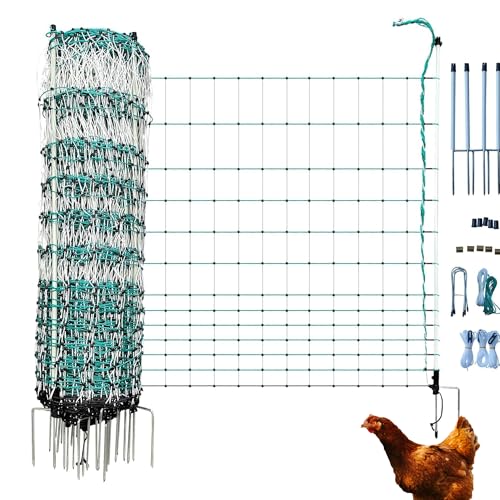
RentACoop Electric Poultry Netting, 48 in x 168 ft
Keeps foxes, coyotes, and dogs out of a free-range or movable run area.
The Takeaway
Every region has its mix of chicken predators, but the defenses overlap: a sealed coop with half-inch hardware cloth and strong latches, a covered run, a dig barrier, and reliable lock-up every night. Learn to read the evidence so you can identify what is hunting your flock, then target the weak point it exploited. With the right knowledge and a layered setup, you can keep your birds safe from the whole cast of common predators.
Frequently Asked Questions
What animals are most likely to kill backyard chickens?
In most of North America the usual suspects are raccoons, foxes, hawks, owls, weasels, opossums, skunks, snakes, rats, and domestic dogs and cats. Which ones threaten your flock depends on your region and whether you are rural or suburban. Raccoons and hawks are nearly universal. Identifying the predators common to your area helps you prioritize the right defenses.
How can I tell which predator attacked my chickens?
Read the clues. A bird missing entirely often means a hawk, owl, or fox carried it off. Heads or necks eaten with the body left points to raccoons or weasels. Multiple birds killed but not eaten suggests a weasel or a dog on a frenzy. Missing eggs with no injured birds means snakes, rats, or skunks. Digging under the run signals foxes or dogs. Tracks and droppings narrow it further.
Do predators only attack chickens at night?
No, but most ground predators are nocturnal, which is why a locked, secure coop at night is your strongest defense. Raccoons, foxes, owls, opossums, and weasels are most active after dark. Hawks hunt by day, and bold foxes or loose dogs will strike in daylight too, especially when birds free-range. Protect against both: a sealed coop at night and a covered, secure run by day.
Are weasels really a serious threat to chickens?
Yes, weasels are among the most dangerous predators because they are tiny, relentless, and can squeeze through an opening as small as one inch. They often kill multiple birds in a single visit. The only reliable defense is sealing every gap with half-inch hardware cloth and checking the coop carefully for any opening a slim body could slip through. Standard chicken wire will not stop them.
Will rats and mice hurt my chickens?
Rats rarely kill adult chickens, but they steal eggs, eat chicks, contaminate feed, spread disease, and gnaw openings that let in larger predators. Their presence is a warning sign. Control them by storing feed in sealed metal containers, removing food at night, sealing gaps with hardware cloth, and keeping the area clean. A serious rat problem can quietly undermine all your other predator defenses.
Can my own dog or cat be a threat to chickens?
Absolutely. Domestic dogs are one of the most common chicken killers, often a neighbor's loose dog but sometimes the family pet acting on instinct. Cats are usually a threat only to chicks and bantams. Never assume a pet is safe around poultry until proven so, supervise all introductions, and keep a secure boundary between dogs and the flock until you are confident.
Does where I live change which predators I worry about?
Yes. Rural keepers face foxes, coyotes, bobcats, weasels, and birds of prey more heavily, while suburban keepers deal heavily with raccoons, opossums, hawks, and loose dogs. Your local conditions, nearby woods, water, and wildlife all shift the odds. Talk to nearby keepers and your local extension office to learn the specific predators active in your area, then prioritize defenses accordingly.
Need more help with your flock?
Browse our guides by topic to find practical solutions.
Keeper's Planner: $39