Protecting Chickens From Predators: A Complete Guide
Learn how to protect backyard chickens from predators with hardware cloth, secure latches, dig barriers, covered runs, and a locked coop at night. Practical, research-based steps.
Losing a beloved hen to a predator is one of the hardest parts of keeping chickens, and almost every keeper faces the threat sooner or later. The good news is that predation is largely preventable. With a genuinely secure coop, the right fencing, and a few sensible habits, you can keep your flock safe from raccoons, foxes, hawks, weasels, and the rest. This guide walks through the layered approach that actually works, starting with the coop itself and building outward to the run, deterrents, and daily routines.
Think in Layers
The keepers who rarely lose birds do not rely on one defense. They layer protections so that if one fails, another holds. The layers, from most important to least, are: a predator-proof coop for nighttime, a secure run for daytime, physical barriers against digging and reaching, and supplemental deterrents. No single product makes a flock safe. The combination does. Start with the coop, because that is where the most attacks happen and where a single weak point can cost you the whole flock in one night.
Core Predator-Protection Gear

GoldPeak Half-Inch Hardware Cloth, 48 in x 100 ft
The foundation of predator-proofing: welded 19-gauge mesh for windows, vents, and run walls.

BREDASINX Automatic Coop Door with Light Sensor
Closes reliably at dusk so birds are never left exposed if you are away or forget.

Nite Guard Solar Predator Deterrent Light
Flashing red lights mimic the eyes of a larger animal to discourage nighttime predators.
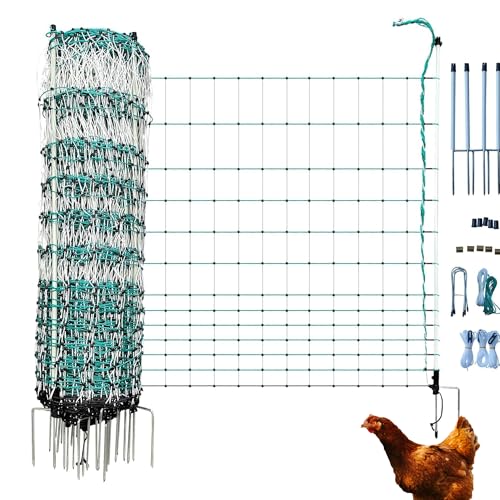
RentACoop Electric Poultry Netting, 48 in x 168 ft
Portable electrified fence that keeps foxes, dogs, and coyotes out of a daytime range area.
Layer 1: A Predator-Proof Coop
The coop is your last line of defense and the place birds are most vulnerable, since they roost deeply asleep at night. Every opening must be sealed. Replace any chicken wire with half-inch hardware cloth, screwed down with washers so it cannot be pulled loose. Cover windows and all vents with the same mesh. Use predator-proof latches, ideally two-step or locking designs, because raccoons have nimble paws and can open simple hooks, slide bolts, and turn-buttons. Check for gaps under the roof line and around doors, since weasels can squeeze through an opening barely an inch wide.
An automatic coop door is one of the best upgrades you can make, because the most common failure is simply forgetting to shut the birds in at dusk. A door with a light sensor or timer closes every night without fail, even when you are away or running late. Just confirm the door has anti-crush safety and that the rest of the coop is sealed, since an automatic door only helps if the structure around it is solid.
Layer 2: A Secure Run
During the day, your run is the boundary between the flock and the world. A truly secure run is enclosed on all sides, including the top, with hardware cloth or strong welded wire. The top matters more than beginners expect, because hawks and owls strike from above and raccoons and cats climb. Cover the run with mesh, netting, or a solid roof. For the walls, use hardware cloth on at least the lower three feet, where most reaching and chewing happens, and back it with larger welded wire for structure if needed.
Layer 3: Stop the Diggers
Foxes, dogs, and even some raccoons will dig under a run wall to get in. Defeat them with a dig barrier. The simplest and most effective method is an apron: lay a 12 to 18 inch strip of hardware cloth flat on the ground along the outside base of the run, then pin it down with landscape staples or weigh it with pavers. Grass grows through it and hides it within weeks. When a predator tries to dig at the wall, it hits the buried apron and quits. Alternatively, bury hardware cloth about 12 inches deep along the perimeter.
Layer 4: Deterrents and Smart Habits
Once the physical barriers are solid, deterrents add a useful margin. Solar predator lights, which flash to mimic the eyes of a larger animal, can discourage nighttime visitors and are cheap to run. Motion-activated lights and sprinklers help with daytime pressure. Electric poultry netting is excellent for protecting a free-range area or a movable run, giving foxes and coyotes a sharp deterrent that physical fencing alone often cannot. Keep feed in sealed metal containers, since spilled feed attracts rats, which in turn attract larger predators, and clean up regularly.
Daily Routine That Keeps Birds Safe
- Lock up every night: Birds in, door secured, every single evening without exception.
- Do a morning head count: Catch problems early and spot any breach overnight.
- Walk the perimeter weekly: Look for fresh digging, chewed wire, loose latches, and gaps.
- Manage feed: Store feed in metal bins and avoid leaving food out overnight.
- Supervise free-ranging: If birds range outside a fence, be present, especially at dawn and dusk.
The Takeaway
Predator protection is not about one magic product, it is about layers that back each other up. Seal the coop with hardware cloth and strong latches, cover and harden the run, add a dig barrier, and lock the flock in every night, ideally with an automatic door. Add deterrents and good feed habits on top, and identify any predator that does get through so you can close the gap. Do this and you will keep your flock safe, season after season, and spend far more time enjoying your chickens than worrying about them.
The same layered thinking protects other backyard animals. If rabbits live outside at your place, our sister site's comparison of indoor versus outdoor rabbits walks through the predator and weather tradeoffs for them.
Frequently Asked Questions
What is the single most important thing for predator protection?
A coop that is genuinely sealed against predators at night, when most attacks happen. That means covering every opening with half-inch hardware cloth, not flimsy chicken wire, and using latches a raccoon cannot work open. If your birds are locked into a secure structure from dusk to dawn, you have eliminated the majority of predation risk. Everything else builds on that foundation.
Why is chicken wire not enough to protect chickens?
Chicken wire was designed to keep chickens in, not predators out. Raccoons can reach through it and tear it, dogs and foxes can rip it from a frame, and the openings are large enough for weasels and rats. Half-inch hardware cloth is welded, much stronger, and has openings too small for paws to reach through. Use hardware cloth anywhere a predator could push, pull, or reach.
What time of day do predators usually attack chickens?
Most predators, including raccoons, foxes, owls, and weasels, hunt at night, which is why a secure, locked coop after dark is your strongest defense. That said, daytime attacks happen too, especially from hawks, loose dogs, and bold foxes when birds free-range. Lock birds up reliably every night and stay aware of daytime risks if your flock ranges in open areas.
Do I need to bury fencing to stop digging predators?
Digging predators like foxes and dogs will tunnel under a run wall, so yes, you need a dig barrier. You can bury hardware cloth about 12 inches down, or use the easier apron method: lay a 12 to 18 inch skirt of hardware cloth flat on the ground along the outside of the run and pin it down. When a predator tries to dig at the base, it hits the apron and gives up.
Will a rooster protect my hens from predators?
A good rooster will sound the alarm, herd hens to cover, and sometimes confront a threat, which can help against hawks and small ground predators. But a rooster is no match for a determined fox, raccoon, or dog, and he cannot protect a flock locked out of a secure coop. Treat a rooster as an early warning system, not a substitute for solid fencing and a predator-proof coop.
Are guardian animals worth it for backyard flocks?
For larger or more rural flocks, a livestock guardian dog, donkey, or even geese can deter predators effectively. For a typical backyard with a handful of hens, the cost and care of a guardian animal usually outweigh the benefit, and good fencing plus a secure coop does the job. Consider a guardian animal only if you have ongoing predator pressure that hardware alone has not solved.
How do I know what predator is killing my chickens?
Look at the evidence. Missing birds with no trace often means a hawk, owl, or fox carried them off. Heads or crops eaten and bodies left behind suggests raccoons or weasels. Eggs gone but birds unharmed points to snakes, rats, or skunks. Digging under the run signals foxes or dogs. Identifying the culprit helps you target the right fix, so document tracks, droppings, and damage.
Need more help with your flock?
Browse our guides by topic to find practical solutions.
Keeper's Planner: $39