Securing the Run: How to Predator-Proof a Chicken Run
A predator-proof chicken run needs secure walls, a covered top, and a dig barrier. Learn how to harden all six sides with hardware cloth, aprons, covers, and electric netting.
The run is where your flock spends most of its waking hours, so making it genuinely secure is one of the best things you can do for their safety. A well-built run lets chickens enjoy fresh air, sunshine, and dust baths all day, even when you are not home, without the predation risk of open free-ranging. The key is to think of the run as a box with six sides and to harden every one of them. This guide walks through securing the walls, the top, and the base, plus the gates, deterrents, and habits that tie it all together.
Think of the Run as Six Sides
Predators attack from every direction. Raccoons and cats climb over, hawks and owls strike from above, foxes and dogs dig under, and almost everything tries to reach or chew through the walls. A run is only as safe as its weakest side, so the goal is to close all of them: four walls, a top, and the ground at the base. Skip any one and you have left an open door. Work through each side methodically and your run becomes a place your flock can use safely day in and day out.
The Walls: Hardware Cloth, Not Chicken Wire
Standard chicken wire is the most common mistake in run building. It keeps chickens in but does little to keep predators out, since raccoons reach through and tear it and foxes and dogs can rip it from the frame. Use half-inch hardware cloth on at least the lower three feet of the walls, where most reaching and chewing happens, and fasten it with screws and washers so it cannot be pried loose. For tall runs you can back the hardware cloth with heavier welded wire for structure, but the small, welded mesh is what actually stops predators.
The Top: Cover It
An open-topped run is an invitation to hawks and owls from above and to raccoons and cats that climb. Covering the top closes both routes at once. You have three good options. Bird netting is inexpensive, lets in light and air, and blocks aerial attacks, though it needs occasional checks for sagging and holes. Wire mesh is more durable and also stops climbers. A solid roof adds shade and rain protection. Many keepers use wire or netting over the whole run plus a solid roof over one section for shelter.
The Base: Stop the Diggers
Foxes, dogs, and raccoons will dig under a run wall that lacks a barrier. The easiest effective fix is an apron: lay a 12 to 18 inch strip of hardware cloth flat on the ground along the outside base of the run and pin it with landscape staples or weigh it with pavers. Grass grows through and hides it within weeks, and when a predator digs at the wall it hits the apron and gives up. Alternatively, bury hardware cloth about 12 inches deep along the perimeter. Either way, the base is no longer a weak point.
Run-Securing Materials

GoldPeak Half-Inch Hardware Cloth, 48 in x 100 ft
The backbone of a secure run: walls, cover, and a buried dig apron all use this welded mesh.
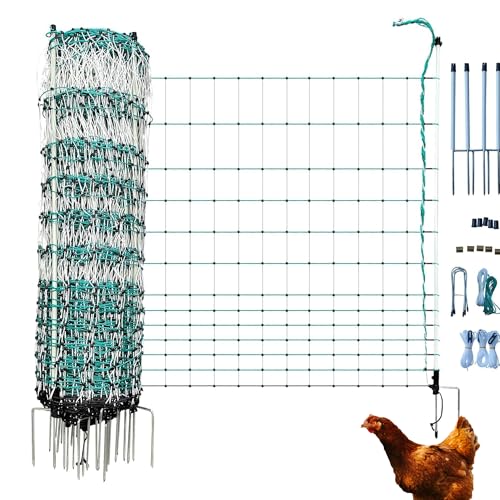
RentACoop Electric Poultry Netting, 48 in x 168 ft
An outer perimeter that turns away foxes, coyotes, and dogs before they reach the run.

Nite Guard Solar Predator Deterrent Light
Flashing lights discourage nighttime predators that probe the run perimeter.
Gates, Latches, and Connections
Predators exploit the seams. Make sure the run gate closes tightly with no gap at the bottom and uses a secure, ideally locking latch, since a sloppy gate undoes all your wall work. Where the run meets the coop, check that the connection is sealed with no gaps a weasel could slip through. Inspect where wire panels join, since predators pry at loose seams. A run is a system, and the connections between parts are often the weakest links, so give them the same attention as the walls.
Add Deterrents and Keep the Coop Locked
Once the run is physically secure, layer on deterrents. Electric poultry netting around the perimeter turns away foxes and coyotes before they reach the walls. Solar predator lights discourage nighttime visitors. But remember that even a strong run is rarely as secure as a sealed coop, and most attacks come at night. Always lock the flock into the coop at dusk as the final line of defense, ideally with an automatic door so it happens reliably every evening. The run protects by day, the coop protects by night, and together they keep your flock safe.
The Takeaway
A predator-proof run comes down to closing all six sides: hardware cloth walls, a covered top, and a dig barrier at the base, tied together with tight gates and sealed connections. Add electric netting and deterrent lights as outer layers, give your birds plenty of space and enrichment, and still lock the coop every night. Build the run this way and your flock can enjoy the outdoors safely all day, while you enjoy the peace of mind that comes from a setup with no weak side left open.
Frequently Asked Questions
How do I make a chicken run predator-proof?
Secure all six sides: solid walls of half-inch hardware cloth, a covered top against climbers and aerial predators, and a dig barrier at the base. Replace any chicken wire with hardware cloth on at least the lower three feet, add a buried apron or fencing against diggers, cover the top with wire or netting, and use secure gates and latches. A run is only as safe as its weakest of those six sides.
Does a chicken run need a covered top?
Yes, if you want it truly secure. An open-topped run invites hawks and owls from above and lets raccoons and cats climb in. A cover, whether wire mesh, bird netting, or a solid roof, closes that route. Netting is cheap and lets in light and air, wire is more durable and also stops climbers, and a solid roof adds shade and rain protection. For a daytime-only run with a locked coop, covering is still strongly recommended.
How do I stop predators from digging into the run?
Use a dig barrier. The easiest method is an apron: lay a 12 to 18 inch strip of hardware cloth flat on the ground along the outside base of the run wall and pin it down with staples or pavers. Grass grows through and hides it. When a predator digs at the wall, it hits the apron and gives up. Alternatively, bury hardware cloth about 12 inches deep along the perimeter.
What wire should I use for a chicken run?
Use half-inch hardware cloth on the parts of the run a predator can reach, especially the lower three feet of the walls and the cover. Standard chicken wire is not strong enough and has openings large enough for reaching and chewing. For large spans you can back hardware cloth with heavier welded wire for structure, but the small, welded mesh of hardware cloth is what actually keeps predators out.
Can chickens stay in a secure run all day?
Yes. A well-built, predator-proof run lets chickens spend the day outdoors safely whether or not you are home, which is one of its biggest benefits. Provide at least 8 to 10 square feet of run space per bird, along with shade, water, dust-bathing areas, and enrichment. A spacious secure run gives many of the benefits of free-ranging without the predation risk of open ground.
Do I still need to lock the coop if the run is secure?
Yes. Even a well-built run is rarely as secure as a sealed coop, and most attacks happen at night when birds are asleep and defenseless. Always lock the flock into the coop at dusk as your last line of defense. Think of the run as strong daytime protection and the coop as the fortress for nighttime. Both layers matter, and an automatic door makes reliable nightly lock-up easy.
How can electric netting add to run security?
Electric poultry netting works well as an outer perimeter around the run or a free-range area, giving ground predators like foxes, coyotes, and dogs a sharp deterrent before they ever reach the run wall. It is portable, so you can enclose a rotating range or expand outdoor space. Keep it properly energized and grounded. Use it as an added layer, not a replacement for a physically secure run and coop.
Need more help with your flock?
Browse our guides by topic to find practical solutions.
Keeper's Planner: $39