Egg Incubation Chart: Day-by-Day Hatching Timeline
A day-by-day chicken egg incubation chart for all 21 days: embryo development, temperature and humidity settings, candling days, lockdown, and hatch day, plus incubation times for ducks, quail, turkeys, and geese.
Quick answer: Chicken eggs hatch in 21 days at 99.5F in a forced-air incubator (101-102F at egg-top level in a still-air model), with 45-55% humidity for days 1-17 and 65-75% during lockdown, days 18-21. Turn eggs an odd number of times daily (or use an automatic turner) until day 18, then stop turning, raise humidity, and keep the lid closed. Candle at days 7, 14, and 18. Chicks pip around day 20-21 and can take up to 24 hours to hatch fully.
The chart below tracks what happens inside the egg, and what you should do, every single day.
Incubation runs on a remarkably fixed schedule. From the first heartbeat around day 2 to the internal pip around day 20, embryo development follows the same day-by-day sequence in every hatch, which makes a reference chart genuinely useful: you always know what is happening under the shell and what your job is that day. The timeline below reflects standard poultry embryology used by hatcheries and extension programs. For a full walkthrough of equipment and setup, see our guide to hatching eggs and incubation.
Incubator Settings at a Glance
| Setting | Days 1-17 | Days 18-21 (Lockdown) |
|---|---|---|
| Temperature (forced air) | 99.5F | 99.5F |
| Temperature (still air, at egg top) | 101-102F | 101-102F |
| Humidity | 45-55% | 65-75% |
| Turning | Odd number, 3-5+ times daily, or automatic | None; remove turner |
| Opening the incubator | Briefly, as needed | Keep closed |
Day-by-Day Incubation Chart (Chicken Eggs, 21 Days)
| Day | What Is Happening Inside the Egg | What You Should Do |
|---|---|---|
| Set day | Warmed egg resumes development at the germinal disc | Set room-temperature eggs on their sides or pointy end down; incubator pre-run 24-48 hours at 99.5F |
| 1 | Cell layers form; head and backbone begin as a primitive streak | Hold 99.5F and 45-55% humidity; begin turning |
| 2 | Heart forms and begins to beat; blood vessels spread over the yolk | Turn eggs; avoid opening more than needed |
| 3 | Beating heart visible under candler in pale eggs; limb buds for wings and legs appear | Turn eggs; keep water channels topped up |
| 4 | Eye pigment darkens; tongue begins to form | Turn eggs; verify temperature with an independent thermometer |
| 5 | Elbows and knees form; embryo makes its first spontaneous movements | Turn eggs |
| 6 | Beak takes shape; wing and leg digits appear | Turn eggs |
| 7 | Comb begins; embryo now clearly bird-shaped | Candle #1: look for a vein network and dark embryo; mark clears for removal |
| 8 | Feather tracts appear on the back and thighs | Turn eggs; remove confirmed clear eggs |
| 9 | Embryo starts to look distinctly chick-like; mouth opening forms | Turn eggs |
| 10 | Beak begins to harden; comb grows visible points | Turn eggs |
| 11 | Tail feathers emerge; claws forming | Turn eggs |
| 12 | Down begins covering the body; toes fully formed | Turn eggs |
| 13 | Leg scales appear; body down thickens | Turn eggs |
| 14 | Embryo turns to align lengthwise, head toward the large end | Candle #2: expect a large dark mass, visible movement, and a growing air cell |
| 15 | Gut begins drawing into the abdomen; growth accelerates | Turn eggs; check humidity and top up water |
| 16 | Albumen nearly used up; feathers cover the body | Turn eggs |
| 17 | Head tucks between the legs, beak turning toward the air cell | Last full day of turning; prepare lockdown supplies |
| 18 | Chick fills the egg except the air cell; final hatching position | Lockdown: candle #3, remove quitters, stop turning, raise humidity to 65-75%, close the lid |
| 19 | Yolk sac begins drawing into the body cavity | Hands off; monitor temperature and humidity through the window |
| 20 | Internal pip: beak breaks into the air cell; you may hear peeping; yolk fully absorbed | Keep the incubator closed; resist checking |
| 21 | External pip, then the chick zips around the shell and pushes free | Let chicks hatch unassisted; leave them in until dry and fluffy, then move to a 95F brooder |
Hatching itself is slow. From external pip to fully hatched commonly takes 12 to 24 hours, with long motionless rests while the chick absorbs the last of its blood supply and yolk. Once hatched and dry, chicks move to a brooder set at 95 degrees. Our brooder temperature chart covers the weekly step-down from there, and the chicken growth stages chart shows what to expect week by week after hatch.
Candling Schedule
| Candling Day | What You Should See | Action |
|---|---|---|
| Day 7 | Spider web of veins with a dark embryo center; clear eggs show nothing | Mark clears; remove after confirming at a second check |
| Day 14 | Large dark mass, movement, air cell about a quarter of the egg | Remove eggs with a blood ring or no development |
| Day 18 | Chick fills the egg; air cell about a third of the egg | Remove quitters, then begin lockdown |
Dark brown eggs like Marans and blue or green shells are hard to read; use the brightest candler you have in a fully dark room. Our candling guide shows what fertile, infertile, and quit eggs look like at each stage. And remember that fertile eggs require a rooster; if you are unsure, see do you need a rooster for eggs.
Incubation Equipment

MATICOOPX 20-Egg Incubator with Auto Turner and Candler
Circulating-air incubator with automatic turning, humidity display, and a built-in candler.
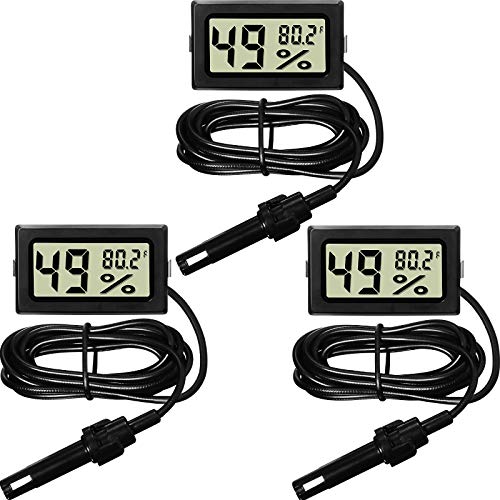
Weewooday Digital Thermometer and Humidity Gauge
An independent gauge to verify the incubator's temperature and humidity readings.

ZenxyHoC Brooder Heating Plate with Anti-Roost Cone
Have a warm brooder ready, since hatched chicks move there once dry and fluffy.
Incubation Periods for Other Poultry
| Species | Incubation Days | Lockdown Begins | Notes |
|---|---|---|---|
| Chicken (standard) | 21 | Day 18 | The baseline schedule above |
| Chicken (bantam) | 19-21 | Day 17-18 | Often hatches a day early |
| Coturnix quail | 17-18 | Day 14-15 | Fast developers; tiny eggs dry out easily |
| Bobwhite quail | 23 | Day 20 | |
| Pheasant | 23-25 | Day 20-21 | |
| Guinea fowl | 26-28 | Day 23-24 | Very hard shells |
| Duck (most breeds) | 28 | Day 25 | Benefit from daily cooling and misting after week 1 |
| Turkey | 28 | Day 25 | |
| Peafowl | 27-30 | Day 25 | |
| Goose | 28-32 | Day 25-26 | Large eggs; cooling and misting commonly used |
| Muscovy duck | 33-35 | Day 31 | Longest common backyard hatch |
Temperature targets are essentially the same across species, about 99.5F forced air, with humidity managed the same way: moderate through development, higher for the final days. Waterfowl eggs are the main exception in daily handling, since many keepers cool and lightly mist duck and goose eggs once a day after the first week to mimic a wet hen returning to the nest.
Backyard Chicken Keepers Planner
Track your chicken's health, meds, vet visits, mobility, nutrition, and quality of life, all in one printable planner.
Hatch Troubleshooting Chart
| Problem | Most Likely Cause | Fix for Next Hatch |
|---|---|---|
| Hatched early (day 19-20) | Incubator running warm | Calibrate with an independent thermometer; drop setting slightly |
| Hatched late (day 22-23) | Incubator running cool | Calibrate; check for drafts and room temperature swings |
| Many clear eggs at day 7 | Infertile eggs | Check rooster ratio (~1 per 8-10 hens), age, and egg storage under 1 week |
| Blood ring at candling | Early embryo death from temperature spike or bacteria | Stabilize temperature; set only clean, uncracked eggs; wash hands before handling |
| Fully formed chick, never pipped | Low humidity late, lockdown missed, or weak chick | Verify hygrometer; raise lockdown humidity; review day 18 routine |
| Pipped but stuck, dry membrane | Humidity dropped during lockdown (shrink-wrapping) | Keep the lid closed days 18-21; pre-fill water channels before lockdown |
| Sticky chicks coated in goo | Humidity too high in days 1-17 or temperature low | Run drier through development; confirm 45-55% |
| Chicks with splayed legs | Slick hatching surface | Line the hatch floor with rubber shelf liner or cloth, not newspaper |
| Unabsorbed yolk sac at hatch | Temperature too high or hatched too early | Calibrate temperature; do not help chicks out early |
| Scattered hatch over 3+ days | Uneven incubator temperature or eggs of mixed ages | Set eggs together; rotate egg positions in cabinet-style incubators |
Hatch rates of 75 to 90 percent from your own fresh eggs are a realistic target, while shipped eggs often hatch at 50 percent or below because transit jostling damages air cells. Keep notes on every hatch, including your verified temperature, humidity, and results, so each run improves on the last. For persistent problems or sick chicks, a poultry veterinarian or your local agricultural extension office is the right call. This chart is educational and complements that hands-on guidance.
Pet Insurance · Sponsored
Have a Dog or Cat at Home Too? Protect Them From Surprise Vet Bills
Most backyard chicken keepers share their home with a dog or cat as well, and one emergency visit can run into the hundreds or thousands. Pet insurance can help cover surprise vet bills so a sudden cost does not force a hard choice. Get a free quote and see what coverage fits your household.
Frequently Asked Questions
How long does it take chicken eggs to hatch?
Chicken eggs hatch in 21 days under proper incubation conditions. Bantam eggs often hatch a day or so early, around day 19 to 21. The clock starts when eggs reach full incubation temperature, not when you place them in the machine, so eggs set in the evening typically hatch the evening of day 21. Hatching a few hours to a day either side of the mark is normal, but a consistently early hatch suggests your incubator runs warm, and a late hatch suggests it runs cool.
What temperature and humidity should an incubator be?
Run a forced-air incubator (one with a fan) at 99.5 degrees Fahrenheit for the entire incubation. A still-air incubator should read about 101 to 102 degrees measured at the top of the eggs, since temperature stratifies without a fan. Keep humidity around 45 to 55 percent for days 1 through 17, then raise it to about 65 to 75 percent for lockdown, days 18 to 21. Verify both numbers with an independent thermometer and hygrometer, because built-in readouts are often off by enough to hurt a hatch.
When do you stop turning eggs?
Stop turning at the end of day 17 or the start of day 18, when lockdown begins. Before then, eggs should be turned an odd number of times per day, at least 3 and ideally 5 or more, or continuously by an automatic turner. Turning keeps the developing embryo from sticking to the shell membrane. After day 18 the chick is maneuvering into hatching position with its beak toward the air cell, and turning would interfere. If your eggs sit in an automatic turner, remove the turner rails at lockdown and lay the eggs on their sides.
When should I candle my eggs?
Candle at day 7, day 14, and day 18, just before lockdown. At day 7 a fertile egg shows a spider web of veins with a dark embryo at the center, while a clear egg with no development was likely never fertile and can be removed. At day 14 you should see a large dark mass, movement, and a growing air cell. At day 18 confirm the air cell fills about a third of the egg and remove any quitters. Candle quickly in a dark room, handle eggs gently, and never candle during lockdown.
Can I open the incubator during lockdown?
Avoid it. Every time you open the incubator during days 18 to 21 you dump the high humidity that keeps hatching membranes moist. If membranes dry out, they tighten around the chick, a problem keepers call shrink-wrapping, and the chick can become trapped. Set up lockdown properly, then keep the lid closed until the hatch is essentially finished. It is fine to briefly remove dry, fluffed chicks once most of the hatch is done, but do it fast and only when no other eggs have external pips actively progressing.
Should I help a chick hatch?
Almost never. Hatching takes many hours, commonly 12 to 24 from the first external pip, with long rests in between, and a chick that seems stuck is usually just resting and absorbing the last of its yolk and blood supply. Helping too early can rupture blood vessels in the membrane and cause fatal bleeding. Intervention is only worth considering when a chick has made no progress at all for a full day after pipping, the membrane looks dry and brown, and you proceed in tiny steps, stopping at any sign of blood.
Why did my eggs hatch early or late?
Temperature is almost always the answer. An incubator running even half a degree warm speeds development and produces hatches at day 19 to 20, often with weaker chicks. Running cool slows development and pushes the hatch to day 22 or 23 with lower hatch rates. Consistently early or late hatches mean your incubator's true temperature differs from its display, so calibrate with a trusted independent thermometer. Old eggs, storage above 60 degrees before setting, and big room temperature swings also stretch or scatter hatch timing.
Need more help with your flock?
Browse our guides by topic to find practical solutions.
Wellness Planner: $39