Best Chicken Coops 2026: Top Picks for Backyard Flocks
Compare 6 of the best backyard chicken coops for 2026, from walk-in metal runs to wooden henhouses, with sizing guidance, predator-proofing tips, and how to choose.
The coop is the foundation of a healthy, happy flock. It is where your chickens roost at night, lay their eggs, and shelter from weather and predators, so getting it right saves you headaches for years. The good news is that backyard keepers have more solid, affordable options than ever, from spacious walk-in metal runs to classic wooden henhouses with built-in nesting boxes.
We compared popular backyard coops using manufacturer specifications, materials, real interior dimensions, predator resistance, and the consistent themes in verified owner reviews. We did not test these coops in our own backyard. Instead we weighed the features that matter most for a thriving flock: usable space per bird, sturdy hardware cloth over flimsy chicken wire, weather protection, and honest capacity. Below are six coops we recommend, a comparison table, and guidance for choosing the right one.
Best Chicken Coops 2026
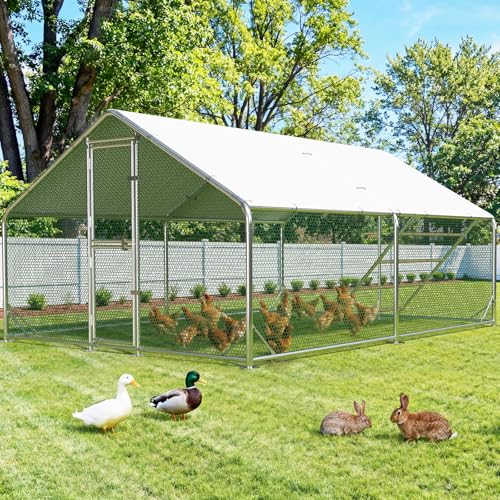
Sannwsg Large Metal Walk-In Coop, 13x10ft
Spacious galvanized walk-in run with a feeding door, perch, and anti-UV cover for 10 or more birds.

HUANTUTOPET Large Wooden Chicken Coop, 6 Nesting Boxes
57-inch wooden henhouse with six nest boxes and a pull-out metal tray for easy cleaning.

Quictent Large Metal Coop Run for 30+ Birds
Oversized walk-in run with side hardware cloth and a waterproof cover for bigger flocks.

Outvita Metal Walk-In Coop, 13x10ft
Large metal walk-in run with a waterproof cover, a roomy footprint for mid-size flocks.
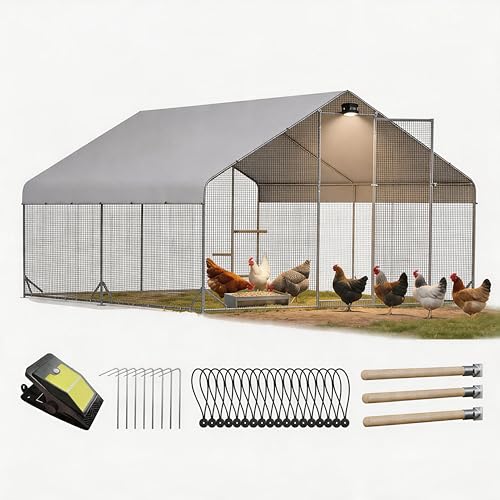
Belinova Heavy-Duty Coop with Hardware Cloth
Reinforced walk-in poultry cage with predator-resistant hardware cloth and a solar accent light.
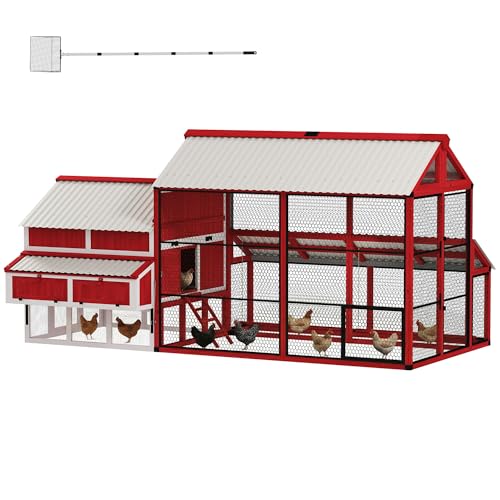
PawHut Large Wooden Walk-In Hen House
Premium 187-inch wooden walk-in coop with a roof, ramp, and roomy run for a permanent setup.
How Do These Chicken Coops Compare?
| Coop | Budget | Type | Realistic Flock | Best For |
|---|---|---|---|---|
| Sannwsg 13x10ft | Under $250 | Metal walk-in | 8-12 hens | Best value large run |
| AECOJOY 56" | Under $250 | Wooden henhouse | 3-4 hens | Small flocks, classic look |
| Quictent | Under $500 | Metal walk-in | 15-25 hens | Large flocks |
| Outvita 13x10ft | Under $250 | Metal walk-in | 8-12 hens | Mid-size flocks |
| Belinova | Under $500 | Metal walk-in | 8-12 hens | Predator resistance |
| PawHut 187" | Under $2,000 | Wooden walk-in | 6-10 hens | Premium permanent setup |
How We Picked These Coops
We did not run a hands-on coop test. Instead we compared manufacturer specifications, framing and mesh materials, real interior and run dimensions, weather protection, and the recurring patterns in verified owner reviews, then judged each coop against what supports a healthy backyard flock. We weighted four factors most heavily. First, usable space per bird, since crowding drives most behavior and health problems. Second, predator resistance, favoring hardware cloth and secure latches over thin chicken wire. Third, weather protection through covers, ventilation, and sound roofing. Fourth, honest capacity, because most coops comfortably hold fewer birds than the box claims. Price and ease of assembly rounded out the picture.
A Closer Look at Each Coop
Sannwsg Large Metal Walk-In Coop
Our top overall pick delivers a huge 13 by 10 foot walk-in footprint at a price that undercuts most wooden coops of any size. The galvanized frame and hexagonal wire resist rust and chewing predators, and a half-door feeding port lets you fill feeders without letting birds slip past you. A separate perch encourages natural roosting, and the UV-resistant cover blocks sun and light rain. As with any metal run, add a hardware-cloth apron and a solid night shelter for full predator protection.
Pros: Excellent space for the money, feeding door, rust-resistant frame, included perch.
Cons: Wire spacing suits daytime use; pair with a secure roost area for nighttime safety.
AECOJOY Wooden Chicken Coop with 6 Nesting Boxes
For keepers who want the classic henhouse look and built-in laying space, this 56-inch wooden coop ships with six nesting boxes and an attached run. The raised house keeps birds off damp ground, and a pull-out tray makes weekly cleaning quick. It genuinely suits a small flock of three to four standard hens rather than the larger numbers sometimes implied. Seal the wood before first use and check seams for mites to keep it serving you for years.
Pros: Six nest boxes, classic styling, pull-out cleaning tray, raised off the ground.
Cons: Small true capacity; wood needs sealing and periodic mite checks.
Quictent Large Metal Coop Run
When your flock outgrows a starter coop, this oversized walk-in run gives serious space with side hardware cloth and a waterproof top cover. It is built for keepers running 15 or more birds who need room to roam during the day. The taller walk-in design saves your back during chores, and the reinforced mesh stands up better than economy wire. Plan to add interior roosts and a closed night-house, since a run this size is daytime habitat first.
Pros: Very large capacity, side hardware cloth, waterproof cover, walk-in height.
Cons: Big footprint; needs a separate enclosed roosting house for nights.
Outvita Metal Walk-In Coop, 13x10 ft
This 13 by 10 foot walk-in run with a galvanized 1-inch frame sits in the sweet spot for a growing mid-size flock, offering ample room and a waterproof PE cover without the premium price of a wooden build. The sloped cover sheds sun and rain to keep the ground drier underneath, though the PVC-coated hexagonal mesh should be overlaid with hardware cloth where predators are a concern. It is a practical, no-frills choice for keepers who want maximum square footage per dollar and plan to add their own nesting and roosting fixtures inside.
Pros: Roomy mid-size footprint, waterproof cover, galvanized frame, good value.
Cons: Basic kit; you supply roosts, nest boxes, and a night shelter.
Belinova Heavy-Duty Coop with Hardware Cloth
If predators are your main worry, this reinforced walk-in leans into security with tougher hardware cloth than the thin wire on budget runs. The heavier mesh resists pulling and reaching, and a small solar accent light is a nice touch for evening chores. It still benefits from a buried or skirted apron to stop diggers, but it starts from a stronger baseline than most. A sensible pick for rural lots with raccoons, foxes, or roaming dogs.
Pros: Stronger hardware cloth, heavy-duty build, solar light, good predator baseline.
Cons: Still needs a dig-proof apron; heavier panels take longer to assemble.
PawHut Large Wooden Walk-In Hen House
For keepers ready to invest in a permanent, attractive setup, this nearly 16-foot wooden walk-in coop combines a roofed henhouse with a spacious run and a ramp. The solid wood buffers temperature swings better than metal and looks at home in a garden. It is the priciest option here by a wide margin, so it suits committed keepers rather than first-timers testing the hobby. Seal the wood, watch for mites in joints, and it will anchor your flock for many seasons.
Pros: Attractive permanent build, better insulation, integrated roof and ramp, walk-in.
Cons: Expensive; heavier assembly and ongoing wood maintenance.
Setting Up Your Coop for Success
- Add a hardware-cloth apron. Skirt or bury half-inch hardware cloth 12 inches around the base to stop diggers.
- Prioritize ventilation. High vents release moisture and ammonia without blowing a draft across the roost.
- Give real space. Aim for 4 square feet inside per bird and 8 to 10 in the run, ignoring inflated capacity claims.
- Secure every latch. Use two-step or locking latches that a raccoon cannot paw open.
- Set it level. A level base keeps doors aligned, panels tight, and the structure sturdy through wind and weather.
A good coop protects your flock, but daily attention keeps them thriving. Watch for signs of crowding, mites, or damp bedding, and adjust ventilation with the seasons. For illness, a sudden drop in laying, or persistent pecking, consult a poultry veterinarian or your local agricultural extension office. This guide is educational and complements that hands-on care.
Related Chicken-Keeping Guides
Reviewed in detail
If you have narrowed the decision to one product, we go through it in detail here: Omlet Eglu Pro review, Omlet Eglu Cube review, Pawpuler 135.7 inch coop review and PawHut large wooden coop review.
Frequently Asked Questions
How much coop space does each chicken need?
Plan for about 4 square feet of indoor coop floor space per standard-size hen, plus 8 to 10 square feet per bird in an attached run. Bantams need a little less, while large breeds like Brahmas or Orpingtons appreciate more. Crowding is the single most common cause of feather picking, bullying, and respiratory problems, so when in doubt, size up. A coop that feels roomy on day one will feel tight once your pullets reach full size and the flock settles into its pecking order.
What size coop do I need for my flock?
Count your birds, multiply by 4 square feet for the interior, then add run space at 8 to 10 square feet each. A typical 4 to 6 bird backyard flock does well in a coop rated for that range with a walk-in run. Manufacturers often overstate capacity, so treat their bird counts as a maximum, not a comfortable target. If a coop says it holds 10 birds, plan on housing 6 to 7 for a calmer, healthier flock with fewer squabbles over roost and nest space.
Are metal or wooden chicken coops better?
Both work, and the right choice depends on your climate and goals. Metal walk-in coops with a tarp cover are affordable, easy to expand, and resist chewing predators, but they offer less insulation against heat and cold. Wooden coops give better temperature buffering and a classic look, though the wood needs sealing and can harbor mites in cracks. Many keepers pair a metal run for daytime space with a smaller insulated wooden henhouse for roosting and laying overnight.
How do I predator-proof a chicken coop?
Use half-inch hardware cloth instead of chicken wire, since raccoons and dogs can tear or reach through standard poultry netting. Bury or skirt the hardware cloth at least 12 inches around the perimeter to stop diggers, and secure every door with a two-step latch that a clever raccoon cannot work. Cover the top of any run to deter hawks and climbing predators. Close birds in a solid-walled section at night, ideally with an automatic door, and check the coop weekly for gaps.
Do chicken coops need to be insulated?
In most climates, ventilation matters more than insulation. Chickens tolerate cold far better than heat, and their biggest winter threat is damp, ammonia-heavy air, not the cold itself. Good upper ventilation that releases moisture without creating a draft on the roost keeps a flock healthy down to surprisingly low temperatures. In extreme cold, a draft-free wooden coop helps, but sealing it up tight does more harm than good. In hot climates, prioritize shade and airflow over insulation.
How long does it take to assemble a chicken coop?
Most flat-pack metal walk-in coops take two people two to four hours, and a helper makes the wire panels much easier. Wooden coops with pre-cut panels usually go faster, often an hour or two. Read the instructions fully before starting, lay out and count the parts, and wear gloves when handling cut wire edges. Have a power screwdriver ready. Setting the coop on level ground, ideally on a hardware-cloth apron, makes the build cleaner and the finished coop far sturdier.
Need more help with your flock?
Browse our guides by topic to find practical solutions.
Keeper's Planner: $39