Best Dewormer for Chickens (2026): 6 Options Compared
The best dewormer for chickens is a fenbendazole product such as Safe-Guard AquaSol, used after a fecal test. Herbal blends only support prevention. 6 options and egg rules.
Internal parasites are a fact of life for backyard flocks, and knowing your deworming options helps you keep birds healthy and laying well. Worms can sap a chicken's condition, pale its comb, and cut egg production, so having the right product on hand matters when a fecal test or clear symptoms point to a problem. The key is treating strategically rather than blindly, using proven dewormers when needed and good husbandry to keep worm pressure low. This is health-related care, so a poultry veterinarian's guidance is invaluable.
We compared popular chicken dewormers using active ingredients, intended use, egg-withdrawal considerations, and the recurring themes in verified owner reviews, alongside poultry-extension and veterinary guidance on parasite control. We did not administer these to our own birds. Instead we weighed what matters most: proven effectiveness for confirmed worm burdens, clarity around egg-safety and withdrawal, ease of dosing, and the role of natural support in prevention. Below are six options we cover, a comparison table, and guidance for deworming responsibly. Always follow label directions and consult a vet.
Best Chicken Dewormers 2026

Merck Safe-Guard Aquasol Dewormer
Veterinary-grade fenbendazole dewormer for chickens, a proven treatment for worm burdens.

VetaSure VetaSure Fenbendazole Dewormer
Fenbendazole liquid for tapeworms, roundworms, and hookworms, with a measuring syringe.

Roosty's Roosty's Naturals Flock Armor
All-natural chili-mix dewormer powder for routine gut-health support, US-made 1 lb pouch.
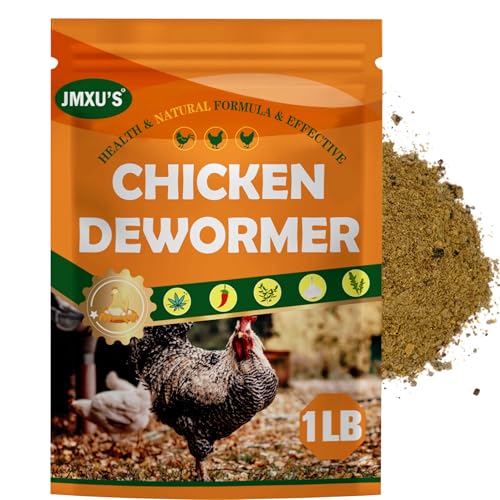
Jmxu's Jmxu's Chicken Dewormer Powder
Natural-formula poultry dewormer powder for laying hens to help relieve and prevent worms.

Lemant Lemant Natural Chili Mix Dewormer
Egg-safe herbal chili-mix wormer and parasite support for backyard laying hens, 1 lb.
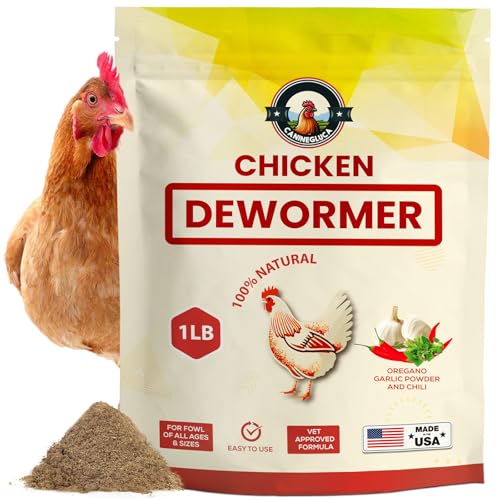
CanineGluca CanineGluca Natural Dewormer Powder
US-made chili-mix poultry wormer with gut-health support, egg-safe, XL 1 lb pouch.
Sources: active ingredients and label directions come from the manufacturers; deworming and resistance guidance follows university poultry extension material and the Merck Veterinary Manual. Talk to a veterinarian before treating laying hens.
How Do These Dewormers Compare?
| Product | Budget | Type | Form | Best For |
|---|---|---|---|---|
| Safe-Guard Aquasol | Under $50 | Fenbendazole | Liquid | Best overall, proven |
| VetaSure | Under $50 | Fenbendazole | Liquid + syringe | Multiple worm types |
| Roosty's Flock Armor | Under $50 | Herbal chili mix | Powder | Natural support |
| Jmxu's | Under $25 | Natural formula | Powder | Laying hen upkeep |
| Lemant chili mix | Under $25 | Herbal, egg-safe | Powder | Budget prevention |
| CanineGluca | Under $25 | Herbal, egg-safe | Powder | Gut-health support |
How We Picked These Dewormers
We did not treat our own birds for this guide, and deworming is health-related care best guided by a veterinarian. Instead we compared active ingredients, intended use, egg-withdrawal considerations, ease of dosing, and the consistent patterns in verified owner reviews, alongside poultry-extension and veterinary guidance, then judged each by its role in responsible parasite control. We weighted four factors most heavily. First, proven effectiveness for confirmed worm burdens, where fenbendazole products lead. Second, clarity around egg-safety and withdrawal. Third, ease of dosing. Fourth, value and the role of natural blends in prevention. Always follow labels and confirm worms with a fecal test.
A Closer Look at Each Option
Safe-Guard Aquasol Dewormer
Our top overall pick is a veterinary-grade fenbendazole dewormer, the kind of proven antiparasitic treatment relied on for confirmed worm burdens. Fenbendazole is a well-established drug with documented effectiveness against common poultry worms, and a recognized brand gives you dependable dosing instructions to follow. Because it is a medication, you must adhere to the label and any egg-withdrawal period and ideally treat under veterinary guidance after confirming worms with a fecal test. For clearing an actual infestation reliably, a fenbendazole product like this is the dependable choice.
Pros: Veterinary-grade fenbendazole, proven against worms, clear dosing.
Cons: Follow egg-withdrawal carefully; best used under vet guidance.
VetaSure Fenbendazole Dewormer
This fenbendazole liquid targets tapeworms, roundworms, and hookworms and includes a measuring syringe for accurate dosing, which matters with any medication. The broad coverage across several common worm types makes it a versatile treatment when a fecal test identifies a mixed burden, and the included syringe helps you dose precisely. As with all chemical dewormers, follow the label and observe any egg-withdrawal period, and consult a veterinarian if you are unsure. For keepers who want a proven dewormer with dosing tools included, it is a strong, practical option.
Pros: Fenbendazole, covers multiple worm types, measuring syringe included.
Cons: Observe egg-withdrawal; confirm worm type before treating.
Roosty's Naturals Flock Armor
This all-natural chili-mix dewormer powder is marketed for routine gut-health support, a US-made herbal blend in a generous 1-pound pouch. Natural products like this are best understood as preventive maintenance, supporting digestive health and helping discourage parasites as part of good husbandry, rather than as a cure for a confirmed infestation. Many keepers add a herbal blend to feed periodically alongside clean, dry, rotated housing. If your goal is gentle, ongoing support and you reserve chemical treatment for actual worm burdens, this is a popular natural choice.
Pros: All-natural, US-made, large pouch, gentle routine support.
Cons: Preventive support, not a proven cure for active infestations.
Jmxu's Chicken Dewormer Powder
This natural-formula poultry dewormer powder is aimed at laying hens, marketed to help relieve and prevent worms as part of regular flock-care upkeep. As a herbal blend, it fits the maintenance role: mixed into feed periodically to support gut health and discourage parasites under good management. The laying-hen focus appeals to keepers wanting routine support for their producers. As with all natural dewormers, treat it as prevention and verify any active worm problem with a fecal test, turning to a proven chemical dewormer when a real burden is confirmed.
Pros: Natural formula, laying-hen focus, supports routine prevention, fair price.
Cons: Maintenance support, not a cure; verify worms with testing.
Lemant Natural Chili Mix Dewormer
The budget pick is an egg-safe herbal chili-mix wormer and parasite support for backyard laying hens in a 1-pound bag at the lowest price here. Marketed as egg-safe, it suits keepers who want to add gentle, ongoing support without an egg-withdrawal worry, though you should still confirm the product's specific instructions. It fits the preventive-maintenance role of natural blends, mixed into feed periodically alongside clean housing. For budget-minded keepers wanting an inexpensive, egg-safe herbal support to keep on hand, it covers that niche well.
Pros: Affordable, marketed egg-safe, herbal support, for laying hens.
Cons: Preventive only; not a treatment for confirmed infestations.
CanineGluca Natural Dewormer Powder
This US-made chili-mix poultry wormer pairs herbal parasite support with gut-health benefits in an XL 1-pound pouch, marketed as egg-safe for backyard flocks. Like the other natural blends, it is best used as routine maintenance support, added to feed periodically to promote digestive health and discourage parasites under good husbandry. The egg-safe positioning and larger pouch appeal to keepers wanting ongoing support without withdrawal concerns. Confirm the specific instructions, and rely on a proven chemical dewormer if a fecal test reveals an active burden that needs clearing.
Pros: US-made, marketed egg-safe, gut-health support, large pouch.
Cons: Preventive support, not a proven cure for active worms.
Deworming Your Flock Responsibly
- Test before you treat. Confirm worms with a fecal float rather than deworming blindly.
- Use proven drugs for real burdens. Fenbendazole products reliably clear confirmed infestations.
- Follow egg-withdrawal periods. Discard eggs as the label or your vet directs after chemical treatment.
- Use natural blends for prevention. Herbal support fits routine maintenance, not curing infestations.
- Prevent with clean husbandry. Dry, rotated, uncrowded housing keeps worm pressure low.
Deworming is part of responsible flock health, but it works best when targeted and paired with good management. Because parasites and dosing are health matters, confirm worms with testing and consult a poultry or avian veterinarian before treating, especially with medications that carry egg-withdrawal periods. Your local extension office can also help with fecal testing and advice. This guide is educational and complements, rather than replaces, veterinary care.
Related Chicken-Keeping Guides
Reviewed in detail
For a full look at one specific option, see Food grade diatomaceous earth review.
Frequently Asked Questions
What is the best dewormer for chickens?
A fenbendazole dewormer, with Safe-Guard AquaSol the best known product labelled for chickens, is the most reliable choice for a confirmed worm burden. Ask your vet for a fecal egg count first so you treat the right parasite, and follow the label for dose and any egg withdrawal. Herbal blends can support gut health but are not proven to clear an established infection.
How do I know if my chickens have worms?
Signs of a worm burden include weight loss despite eating, pale comb and wattles, drop in egg production, diarrhea, a dull or ruffled appearance, and sometimes worms visible in droppings. Heavy infestations can cause weakness and even death in severe cases. Because symptoms overlap with other illnesses, the surest way to confirm worms is a fecal float test, which a veterinarian or some extension offices can run on a droppings sample. Confirming the parasite type also helps you choose the right treatment rather than guessing.
How often should I deworm my chickens?
There is no universal schedule, and routine blanket deworming is discouraged because it can promote drug resistance. Many keepers deworm strategically, treating when a fecal test or clear symptoms indicate a problem, often once or twice a year if needed, frequently in spring and fall. Risk factors like wet ground, overcrowding, and not rotating runs raise worm pressure. The best practice is to test droppings, treat only when warranted, and reduce exposure through clean, dry, rotated housing rather than deworming on a fixed calendar regardless of need.
Can I eat eggs after deworming chickens?
It depends on the product. Many chemical dewormers have an egg withdrawal period, a number of days after treatment during which you should discard the eggs because of drug residue, and you must follow the label or your veterinarian's guidance exactly. Some products are labeled egg-safe with no withdrawal, and many natural herbal dewormers are marketed as egg-safe, but you should still verify the specific product's instructions. When using any medication on laying hens, always check withdrawal times and consult a vet if you are unsure.
What is the difference between chemical and natural dewormers?
Chemical dewormers contain proven antiparasitic drugs like fenbendazole that reliably kill specific worms, and some are veterinary-grade with established dosing and egg withdrawal periods. Natural dewormers use herbal ingredients such as chili, garlic, and herbs, marketed to support gut health and discourage parasites, often as a gentle, egg-safe preventive. Natural options can be part of a maintenance routine, but for a confirmed, significant worm burden, a proven chemical dewormer under veterinary guidance is the dependable treatment. Many keepers use natural support for prevention and reserve chemical treatment for active infestations.
Do natural dewormers actually work?
Natural herbal dewormers are popular for routine gut-health support and may help discourage parasites as part of good management, but evidence for them clearing an established infestation is limited compared with proven antiparasitic drugs. Think of them as a preventive maintenance tool rather than a cure for a confirmed worm problem. If a fecal test or symptoms show a real burden, rely on a veterinary-recommended chemical dewormer to clear it, then use natural support and clean husbandry to reduce future risk. When in doubt, ask a poultry veterinarian.
How can I prevent worms in my flock?
Prevention beats treatment. Keep the coop and run clean and dry, since worms thrive in damp, soiled conditions, and rotate or move runs so birds are not constantly on contaminated ground. Avoid overcrowding, control intermediate hosts like snails and earthworms where possible, provide clean feed and water off the ground, and quarantine new birds before adding them. Periodic fecal testing lets you catch problems early and treat only when needed. Good husbandry dramatically lowers worm pressure and the need for frequent deworming.
Need more help with your flock?
Browse our guides by topic to find practical solutions.
Keeper's Planner: $39