Best Chicken Feeders 2026: No-Waste Picks for Hens
Compare 6 of the best chicken feeders for 2026, from no-waste port feeders to timed dispensers, with sizing tips, rodent control, and how to cut feed waste.
The right feeder quietly saves you money and trouble every single day. A good one keeps feed dry, stops hens from flinging it across the run, and seals the grain away from the rats and wild birds that stale feed attracts. The wrong one drains your feed bag, draws pests, and leaves timid hens pushed away by the flock boss. For most backyard keepers, upgrading from an open tray to a no-waste port feeder is one of the easiest wins in the coop.
We compared popular chicken feeders using manufacturer specifications, capacity, port design, materials, and the recurring themes in verified owner reviews. We did not run a feed-waste trial ourselves. Instead we weighed the features that matter most for a backyard flock: low waste, enough feeding space for every bird, rodent and rain resistance, and easy refilling. Below are six feeders we recommend, a comparison table, and guidance for choosing and using one well.
Best Chicken Feeders 2026
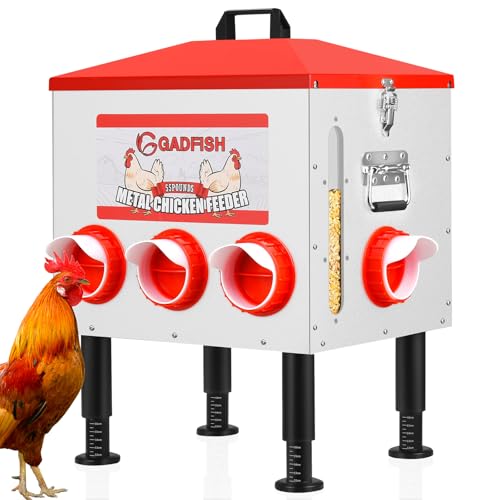
GADFISH 55 lb No-Waste Feeder, 8 Ports
Large-capacity automatic feeder with eight no-waste ports, ideal for bigger flocks and fewer refills.

Omlet No-Waste Feeder, 5 Anti-Bully Ports
BPA-free anti-spill feeder with anti-bully ports that give timid hens fair access to feed.
ZenxyHoC DIY No-Waste Feeder, 6 Ports
Budget DIY port feeder with a hole saw and covers to convert a bucket into a no-waste feeder.
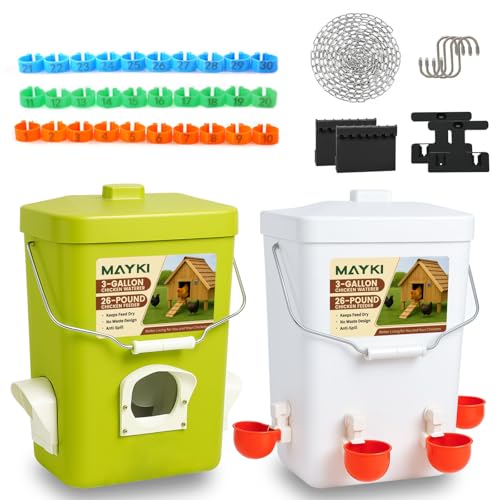
MAYKI Tgeyd No-Waste Chicken Feeder & Waterer Set
No-waste feeding and watering system with a 26 lb feeder, a tidy all-in-one starter setup.

ZINZINULER Port Feeder & Cup Waterer Set
No-waste port feeder paired with cup waterers, a complete coop accessory kit at a fair price.

briidea Automatic Timer Feeder Kit
Metal spin-plate motor and timer kit to dispense feed on a schedule for portioning and routine.
How Do These Feeders Compare?
| Feeder | Budget | Type | Capacity | Best For |
|---|---|---|---|---|
| GADFISH 8-port | Under $100 | No-waste ports | 55 lb | Larger flocks, fewer refills |
| Omlet 5-port | Under $100 | No-waste ports | Medium | Fair access, anti-bully |
| ZenxyHoC DIY | Under $25 | DIY port kit | Your bucket | Budget DIY build |
| MAYKI set | Under $50 | Feeder + waterer | 26 lb / 3 gal | All-in-one starter |
| ZINZINULER set | Under $50 | Feeder + cups | Medium | Complete accessory kit |
| briidea timer | Under $50 | Timed dispenser | Add-on | Scheduled portioning |
How We Picked These Feeders
We did not run a side-by-side feed-waste test. Instead we compared manufacturer specifications, port and trough design, capacity, materials, and the consistent patterns in verified owner reviews, then judged them against what keeps feed dry, accessible, and out of reach of pests. We weighted four factors most heavily. First, low waste, favoring covered ports and lips that stop billing-out. Second, enough feeding space so timid hens are not blocked by the flock boss. Third, rodent and rain resistance, since open feed is the top pest magnet. Fourth, sensible capacity and easy refilling. Price and build quality rounded out the picture.
A Closer Look at Each Feeder
GADFISH 55 lb No-Waste Feeder
Our top overall pick combines a big 55-pound capacity with eight no-waste ports, so a typical backyard flock can go a week or more between refills while every bird gets a spot to eat. The covered ports keep rain and droppings out and make it hard for hens to fling feed, which cuts both waste and the rodents that spilled grain attracts. The large hopper suits keepers who want to fill it and forget it. Mount it at back height and keep the lid sealed.
Pros: Huge capacity, eight ports, low waste, fewer refills.
Cons: Bulky when full; large size suits medium to large flocks best.
Omlet No-Waste Feeder with Anti-Bully Ports
This BPA-free feeder focuses on fairness, with anti-bully ports designed so dominant hens cannot guard every opening and shut out timid birds. The anti-spill design keeps feed off the ground, and the quality build holds up outdoors. It is a premium choice for keepers who have watched a flock boss bully others away from the feeder. The five ports suit small to medium flocks well, and the tidy design keeps the run cleaner with less wasted grain underfoot.
Pros: Anti-bully ports, BPA-free, anti-spill, durable build.
Cons: Higher price; medium capacity means more frequent refills for big flocks.
ZenxyHoC DIY No-Waste Feeder Kit
For keepers who like a project, this budget kit turns any food-safe bucket into a six-port no-waste feeder, with a hole saw and port covers included. The rain hoods help keep feed dry, and you choose the bucket size to match your flock. It is the cheapest path to no-waste feeding, ideal for tinkerers and large flocks where buying several finished feeders gets expensive. You supply the bucket and a little assembly time, and the result rivals pricier units.
Pros: Very low cost, scalable to any bucket, no-waste ports, includes hole saw.
Cons: Requires a DIY build; you provide the bucket and assembly.
MAYKI Feeder and Waterer Set
This all-in-one set pairs a 26-pound no-waste feeder with a 3-gallon waterer, covering both essentials in a single tidy purchase. It is a convenient starter setup for new keepers who want matching, no-waste gear without sourcing pieces separately. The covered designs keep feed and water cleaner than open trays, and the moderate capacity suits a small to medium flock. A practical, good-value bundle for getting a first coop equipped quickly and neatly.
Pros: Feeder and waterer in one, no-waste design, good starter value.
Cons: Moderate capacity; larger flocks will refill more often.
ZINZINULER Port Feeder and Cup Waterer Set
Another complete kit, this set combines a no-waste port feeder with cup waterers for a tidy coop at a fair price. The cup waterers deliver clean water on demand and waste little, while the port feeder keeps grain off the ground. It is a sensible choice for keepers equipping a new coop who want both systems to match. Mount the components at the right height for your birds and clean the cups regularly to keep the water fresh.
Pros: Complete feed-and-water kit, no-waste ports, cup waterers, affordable.
Cons: Cup waterers need regular cleaning; medium capacity.
briidea Automatic Timer Feeder Kit
This timer kit adds a motor and metal spin plate to dispense feed on a schedule, useful for portion control, training a routine, or limiting access to discourage pests. It works as a helpful extra rather than a flock's only feeder, since laying hens need steady access to feed. Damp feed can clog any auger-style dispenser, so keep it dry and check it regularly. For keepers who want scheduled feeding alongside a main hopper, it is an affordable, flexible add-on.
Pros: Scheduled dispensing, portion control, helps deter pests, low price.
Cons: Not a primary feeder for layers; damp feed can clog the mechanism.
Getting the Most From a Chicken Feeder
- Set the right height. Position the feeder at the birds' back height to cut scratching and billing-out.
- Give enough ports. Provide a port or about 4 inches of space per bird so timid hens can eat.
- Keep it covered and dry. Sealed ports and rain hoods stop mold and shut out wild birds and rodents.
- Store feed in metal cans. Tight-lidded metal bins protect bulk feed from rats and moisture.
- Clean up spills. Promptly removing spilled grain is the best way to keep pests from moving in.
A good feeder cuts waste and pests, but watch your flock to make sure every bird is eating well. Uneven weight, poor feather condition, or birds shut out of the feeder can signal a layout problem or bullying. For appetite loss, weight changes, or illness, consult a poultry veterinarian or your local extension office. This guide is educational and complements that everyday care.
Related Chicken-Keeping Guides
Reviewed in detail
If you have narrowed the decision to one product, we go through it in detail here: Grandpa's Feeders 40 lb review and Omlet no waste chicken feeder review.
Frequently Asked Questions
What is the best type of chicken feeder?
For most backyard flocks, a no-waste port or treadle feeder beats an open trough. Port feeders let birds dip their heads into a hole to eat while a cover keeps rain, droppings, and wild birds out, which cuts both waste and the rodents that stale feed attracts. Treadle feeders open only when a chicken steps on a platform, sealing feed away from pests entirely. Open hanging feeders are cheap and simple but spill more and need refilling often, so they suit small flocks or short-term use.
How much feeder space do chickens need?
Plan for at least one feeding port or about 4 linear inches of trough space per standard hen so lower-ranking birds are not blocked from eating. With too few ports, dominant hens guard the feeder and timid birds get pushed out, which shows up as uneven weight and feather condition. Many port feeders offer six to eight openings, which covers a typical backyard flock. If you keep more birds, add a second feeder rather than crowding one, especially during the busy morning feeding rush.
How do I stop chickens from wasting feed?
Feed waste usually comes from billing out, where hens flick feed onto the ground while eating. A port or grandpa-style feeder with a lip or cover stops most of it, and keeping the feeder at the bird's back height reduces scratching it out. Do not overfill open trays. Switching from a fine mash to crumbles or pellets also helps, since larger particles are harder to fling. Cutting waste saves money and, just as importantly, removes the spilled grain that draws rats and mice.
Should I leave feed out all day or feed on a schedule?
Most backyard keepers free-feed, leaving a full feeder available so hens can eat to their needs, which supports steady laying. A covered no-waste or treadle feeder makes this practical without feeding the local rodents. Some keepers prefer scheduled feeding to control intake or reduce pests, removing feed at night. Either works, but laying hens should never go long without access to feed and fresh water. If you free-feed, just keep the feed dry and the feeder clean to prevent mold.
How do I keep rats and wild birds out of chicken feed?
Use a covered feeder that seals when birds are not eating, such as a port feeder with a rain hood or a treadle feeder that closes between visits. Bring feed indoors at night or use a treadle model, since open feed is the number one rodent magnet on a homestead. Store bulk feed in metal cans with tight lids, clean up spills promptly, and avoid overfilling trays. Removing the easy food source is far more effective than trying to trap pests after they arrive.
Are automatic or timed chicken feeders worth it?
Timed feeders that release a set amount on a schedule are handy for portion control, training birds to a routine, or limiting access to reduce pests, and some keepers use them for weekend coverage. They are not a substitute for constant access to feed for laying hens, though, and they add a motor that can fail or clog with damp feed. For most flocks, a large-capacity no-waste port feeder is simpler and more reliable, with a timed feeder as a useful extra rather than the main feeder.
Need more help with your flock?
Browse our guides by topic to find practical solutions.
Keeper's Planner: $39