Best Egg Cartons 2026 for Backyard Chicken Eggs
Compare 6 of the best egg cartons for 2026, from biodegradable paper pulp to reusable plastic, with sizing, storage, and egg-selling label guidance.
Once your hens hit their stride, eggs pile up fast, and the right cartons keep them organized, protected, and ready to store, gift, or sell. A good carton cushions eggs against cracks, fits your flock's egg size, and matches how you use them, whether that is composting paper pulp after a farm-stand sale or wiping down plastic for years of home reuse. Get the right cartons and egg management is effortless. Run short and you are scrambling for containers at the worst moment.
We compared popular egg cartons using material, capacity, pack size and value, reusability, and the recurring themes in verified owner reviews. We did not pack our own eggs in these. Instead we weighed the features that matter most: protecting eggs from breakage, the right capacity for backyard flocks, value in bulk, and suitability for storage, gifting, or selling. Below are six options we recommend, a comparison table, and guidance for choosing cartons that fit how you keep and share your eggs.
Best Egg Cartons 2026

Pecking Order Pecking Order Paper Pulp Cartons, 50 Pack
Biodegradable 12-count pulp cartons that cushion eggs and suit farm-fresh sales and gifts.

CINPIUK CINPIUK Paper Pulp Cartons, 50 Pack
Sturdy 3x4 dozen pulp trays, reusable and great for farmers, home use, and transport.

MT Products MT Products Pulp Cartons, 25 Pack
USA-made blank natural pulp dozen cartons, strong and ready for your own farm label.

Pecking Order Pecking Order Pulp Trays, 20 Pack
Smaller 20-pack of dozen pulp trays for keepers who do not need bulk quantities.

ZHIGLMYD ZHIGLMYD Plastic Cartons, 100 Pack
Bulk clear reusable plastic dozen cartons that wipe clean and show off your eggs.
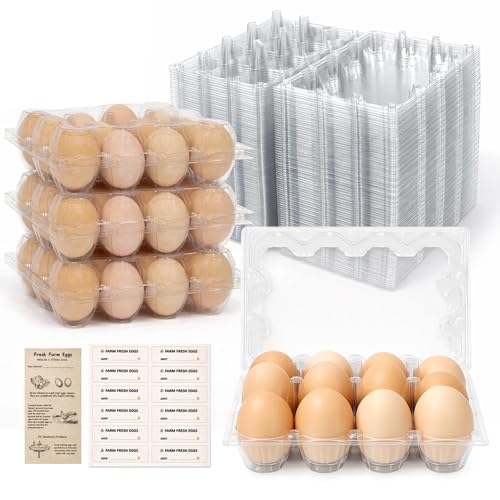
WIKDAY WIKDAY Plastic Cartons, 60 Pack
Reusable clear dozen cartons with date stickers and care tips, a budget bulk plastic pick.
How Do These Egg Cartons Compare?
| Product | Budget | Material | Pack | Best For |
|---|---|---|---|---|
| Pecking Order 50 | Under $50 | Paper pulp | 50 | Best overall, sales |
| CINPIUK 50 | Under $50 | Paper pulp | 50 | Sturdy transport |
| MT Products 25 | Under $25 | Paper pulp | 25 | USA-made, labeling |
| Pecking Order 20 | Under $25 | Paper pulp | 20 | Smaller flocks |
| ZHIGLMYD 100 | Under $25 | Clear plastic | 100 | Bulk reusable |
| WIKDAY 60 | Under $25 | Clear plastic | 60 | Budget plastic |
How We Picked These Egg Cartons
We did not box up our own eggs in these cartons. Instead we compared material, capacity, pack size and value, reusability, and the consistent patterns in verified owner reviews, then judged each against how well it protects eggs and fits backyard use. We weighted four factors most heavily. First, protection, since a carton's main job is preventing cracks. Second, the right capacity, with dozen cartons being the practical standard. Third, value in bulk for productive flocks. Fourth, suitability for the keeper's purpose, whether composting after sales or reusing at home. Sustainability rounded out the picture.
A Closer Look at Each Option
Pecking Order Paper Pulp Cartons, 50 Pack
Our top overall pick is a 50-pack of biodegradable paper pulp dozen cartons that cushion eggs well and carry the farm-fresh look buyers and gift recipients expect. The pulp material protects eggs, can be composted after use, and suits selling at a stand or sharing with neighbors. Fifty cartons keep a productive flock stocked for a long stretch at a fair per-carton cost. For most backyard keepers, especially those who sell or give away eggs, this is the balanced, sustainable choice that just works.
Pros: Biodegradable, good cushioning, farm-fresh look, solid bulk value.
Cons: Absorbs moisture; best for a few uses, not long-term reuse.
CINPIUK Paper Pulp Cartons, 50 Pack
This 50-pack of sturdy 3x4-style pulp trays emphasizes durability and reusability, holding a dozen eggs each and standing up well to transport. The robust build makes it a good pick for keepers who move eggs around, sell at markets, or want pulp cartons that survive a few trips. Like other pulp options it is eco-friendly and compostable at end of life. With the same 50-count value as our top pick and a focus on sturdiness, it is a strong alternative for keepers prioritizing transport strength.
Pros: Sturdy for transport, reusable, eco-friendly, good bulk value.
Cons: Slightly pricier; pulp still absorbs moisture over time.
MT Products Pulp Cartons, 25 Pack
Made in the USA, this 25-pack of blank natural pulp dozen cartons is strong, sturdy cardboard material that is perfect for adding your own farm label or stamp. The blank design suits keepers who sell eggs and need to apply their own branding and required information. The smaller 25-count is a manageable quantity for a moderate flock or a keeper who does not want to commit to a huge bulk buy. For label-it-yourself egg sellers who value domestic sourcing, it is an excellent fit.
Pros: USA-made, blank for custom labeling, sturdy, moderate quantity.
Cons: Smaller pack; no preprinted design.
Pecking Order Pulp Trays, 20 Pack
For keepers who do not need bulk, this 20-pack of dozen pulp trays offers the same quality biodegradable cushioning in a smaller, lower-cost quantity. It suits a modest backyard flock that fills a carton or two a week, or anyone wanting to try pulp cartons before buying in volume. The eco-friendly material and farm-fresh look carry over. As the smallest and cheapest pulp option here, it is the practical pick for hobbyists with just a few hens who want quality cartons without overbuying.
Pros: Affordable, biodegradable, right size for small flocks, quality pulp.
Cons: Higher cost per carton than bulk packs.
ZHIGLMYD Plastic Cartons, 100 Pack
For keepers who prefer reusable plastic, this 100-pack of clear dozen cartons wipes clean and lets buyers see the eggs inside, a nice touch for sales. The big quantity and low per-carton cost make it the bulk value pick for productive flocks or sellers who want durable, washable cartons that last through many uses. Clear plastic is convenient for home storage too, showing you at a glance how many eggs remain. Just remember plastic is not compostable, so reuse is the eco-friendly path here.
Pros: Reusable and washable, clear display, huge bulk value, durable.
Cons: Not compostable; check local rules for reuse in sales.
WIKDAY Plastic Cartons, 60 Pack
This 60-pack of clear reusable plastic dozen cartons is the budget plastic pick, and it adds handy date-tracking stickers and egg care instructions so you can label freshness easily. The reusable design wipes clean and holds up to repeated use, while the included stickers help you rotate stock and use the oldest eggs first. At the lowest price here, it suits keepers who want durable, washable cartons with a freshness-tracking touch without the largest bulk commitment. A practical, wallet-friendly choice for home use.
Pros: Budget price, reusable, date stickers included, washable.
Cons: Not compostable; lighter than premium plastic cartons.
Storing and Selling Eggs Well
- Store eggs pointy end down. This keeps the air cell up and the yolk centered for longer freshness.
- Label collection dates. Mark cartons so you use the oldest eggs first.
- Keep the bloom on for storage. Wash eggs only right before use; unwashed eggs keep longer.
- Match cartons to your purpose. Pulp for sales and composting, plastic for home reuse.
- Check local egg-sales rules. Confirm labeling and carton requirements before selling.
Cartons are a small part of chicken keeping, but the right ones make collecting, storing, and sharing eggs tidy and stress-free. Keep clean nesting boxes and collect eggs often so you handle fewer dirty or cracked eggs in the first place. For questions about selling eggs legally, check with your state department of agriculture or local extension office. This guide is educational and complements those local rules and your own kitchen practices.
Related Chicken-Keeping Guides
Frequently Asked Questions
What size egg carton do I need for my chickens?
The standard carton holds one dozen, 12 eggs, which suits most backyard flocks and is what buyers and recipients expect. Half-dozen, 6-count cartons are handy for smaller gifts or selling in smaller quantities. If you have a productive flock or sell eggs, buying 12-count cartons in bulk is most economical. Choose a carton that fits the size of eggs your hens lay, since very large or jumbo eggs can need a bit more depth, while bantam eggs fit fine in standard cartons.
Are paper pulp or plastic egg cartons better?
Both work well, with different strengths. Paper pulp cartons are biodegradable, cushion eggs nicely, can be composted, and look right for farm-fresh sales, but they absorb moisture and are best used once or twice. Clear plastic cartons are reusable, easy to wipe clean, let buyers see the eggs, and hold up to repeated use, though they are not compostable. For selling eggs sustainably, many keepers like paper pulp. For long-term home storage and reuse, plastic is convenient and durable.
Can I reuse egg cartons?
You can reuse your own clean cartons at home freely. Plastic cartons wipe clean and reuse many times, while paper pulp cartons can be reused a few times if they stay dry and clean. If you sell eggs, be aware that many areas have rules against reusing cartons that carry another brand's labeling, and reused cartons should be clean and free of cracks or soiling. When in doubt, use fresh cartons for sales and save reused ones for your own kitchen.
How should I store fresh eggs in cartons?
Store eggs pointy end down in the carton, which keeps the air cell at the top and helps the yolk stay centered and fresh longer. Fresh, unwashed eggs with their natural bloom intact can sit on the counter for a couple of weeks, while washed eggs should be refrigerated. Keeping eggs in a closed carton in the fridge protects them from absorbing odors and from losing moisture. Label cartons with the collection date so you can use the oldest eggs first.
Do I need to label egg cartons if I sell eggs?
Rules vary by state and locality, but if you sell eggs beyond casual gifting, you often need to label cartons with information like your name and address, a pack or collection date, and sometimes a safe-handling or refrigeration statement. Blank cartons let you add your own farm label or stamp. Check your state department of agriculture or local extension office for the specific egg-sales rules in your area before selling, since requirements differ and can change.
Should I wash eggs before putting them in cartons?
Only wash eggs right before you use or sell them, not before storage. Fresh eggs have a natural protective coating called the bloom that seals the shell against bacteria, and washing removes it. Unwashed eggs keep longer and can be stored at room temperature, while washed eggs lose the bloom and must be refrigerated. If an egg is dirty, you can gently dry-brush it or wash it just before use. Collecting eggs often and keeping clean nesting boxes means less washing is needed.
Need more help with your flock?
Browse our guides by topic to find practical solutions.
Keeper's Planner: $39