Best Layer Feed 2026: Top Feeds for Laying Hens
Compare 6 of the best layer feeds for 2026, including pellets, crumbles, and non-GMO options, with protein and calcium guidance and when to switch hens to layer feed.
What you put in the feeder shows up in the nesting box. A complete layer feed gives your hens the protein and calcium they need to lay strong, well-shelled eggs day after day, while the wrong feed, or layer feed given too early, can mean thin shells, slow laying, or even harm to growing birds. The good news is that the formula is well established: a quality 16 percent layer ration, offered to hens at point of lay, covers the needs of nearly every backyard flock.
We compared popular layer feeds using guaranteed analysis labels, protein and calcium levels, ingredients, form, and the recurring themes in verified owner reviews. We did not run a laying trial ourselves. Instead we weighed what matters most for a productive flock: complete balanced nutrition, the right calcium for strong shells, a form that limits waste, and freshness and value. Below are six layer feeds we recommend, a comparison table, and guidance for feeding laying hens well.
Best Layer Feed 2026

Purina Layena Layer Pellets, 50 lb
Complete 16% layer pellets with key vitamins and minerals for strong shells, a trusted standard.

Manna Pro Layer Pellets, 16% Protein
Complete 16% layer pellets with probiotics for laying hens, a strong value-per-pound pick.
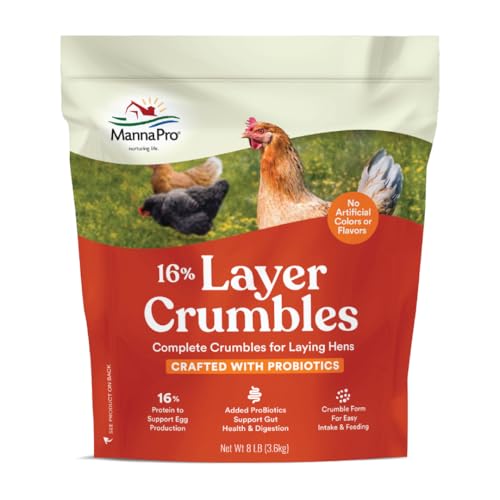
Manna Pro Layer Crumbles, 16% Protein
Complete 16% layer crumbles with probiotics, an easy-to-eat form for smaller or younger hens.

Purina Layena+ Omega-3 Pellets
Layer pellets enriched with omega-3 to boost the nutrition of the eggs your hens lay.

Premium Poultry Layer Pellet, 16% Protein
Complete 16% poultry layer pellet that supports egg production at a competitive price.
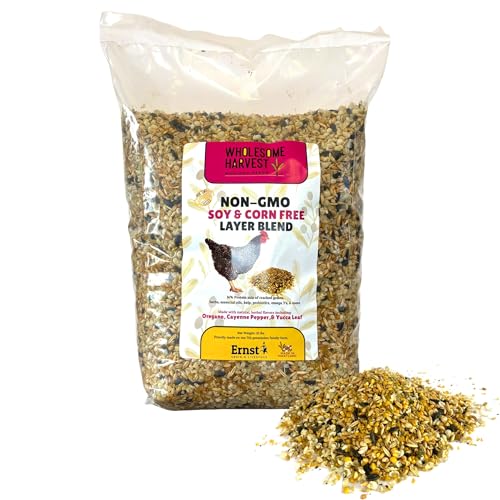
Wholesome Harvest Non-GMO Whole Grain Layer Blend
Soy-free, corn-free non-GMO 16% whole grain layer feed for keepers who want clean ingredients.
How Do These Layer Feeds Compare?
| Feed | Budget | Form | Protein | Best For |
|---|---|---|---|---|
| Purina Layena 50 lb | Under $50 | Pellets | 16% | Best overall standard |
| Manna Pro Pellets | Under $25 | Pellets | 16% | Value with probiotics |
| Manna Pro Crumbles | Under $25 | Crumbles | 16% | Smaller or younger hens |
| Purina Layena+ Omega-3 | Under $25 | Pellets | 16% | Omega-3 enriched eggs |
| Premium Poultry Pellet | Under $50 | Pellets | 16% | Competitive bulk value |
| Wholesome Harvest Non-GMO | Under $50 | Whole grain | 16% | Non-GMO, soy/corn-free |
How We Picked These Layer Feeds
We did not run a side-by-side laying trial. Instead we compared guaranteed analysis labels, protein and calcium levels, ingredient quality, feed form, and the consistent patterns in verified owner reviews, then judged them against what supports steady laying and strong shells. We weighted four factors most heavily. First, complete balanced nutrition at the standard 16 percent protein. Second, adequate calcium, around 4 percent, for sturdy eggshells. Third, a form that limits waste, generally pellets, with crumbles where birds need smaller particles. Fourth, freshness, ingredient quality, and value. Brand track record and availability rounded out the picture.
A Closer Look at Each Feed
Purina Layena Layer Pellets, 50 lb
Our top overall pick is the standard many keepers measure others against: a complete 16 percent layer pellet fortified with the vitamins and minerals hens need, including the calcium for strong shells. The pellet form keeps waste low and the feeder tidy, and the 50-pound bag offers good value for an established flock. Purina's wide availability and consistent formulation make restocking easy. For most backyard keepers who want a reliable, complete ration that simply works, this is the dependable default.
Pros: Complete fortified nutrition, low-waste pellets, widely available, trusted.
Cons: Conventional ingredients; large bag needs proper dry storage.
Manna Pro Layer Pellets
This complete 16 percent layer pellet adds probiotics for digestive health and lands at a strong price per pound, making it a standout value pick. The pellet form limits waste like our top choice, and the probiotic inclusion is a nice extra for gut health. It covers the core nutritional needs of laying hens without a premium price. For budget-conscious keepers who still want a complete, name-brand layer ration, it delivers the essentials and then some at a friendly cost.
Pros: Complete nutrition, added probiotics, low-waste pellets, great value.
Cons: Smaller bag sizes can cost more per pound than bulk options.
Manna Pro Layer Crumbles
Same complete 16 percent nutrition and probiotics as the pellets, but in a smaller crumble form that younger, smaller, or bantam hens often find easier to eat. Crumbles waste a touch more than pellets but suit flocks where birds struggle with pellet size or are just transitioning onto layer feed. It is the pick for keepers who want the proven Manna Pro formula in a more manageable particle. Use it where pellet size is an issue, and store it dry to keep it fresh.
Pros: Easy-to-eat crumbles, complete nutrition, probiotics, good for small hens.
Cons: Slightly more waste than pellets; finer texture scatters more.
Purina Layena+ Omega-3 Pellets
This enriched version of Layena adds omega-3 to the ration, which carries through to boost the nutritional profile of the eggs your hens lay. It is the same complete, fortified base in pellet form, with the omega-3 as the value-add for keepers who care about egg nutrition. The trade-off is a higher cost per pound than standard layer feed. For keepers selling or eating their eggs who want a nutritional edge, the omega-3 enrichment is a simple way to upgrade what ends up on the plate.
Pros: Omega-3 enriched eggs, complete fortified base, low-waste pellets.
Cons: Costs more per pound than plain layer feed.
Premium Poultry Layer Pellet
A complete 16 percent layer pellet that supports steady egg production at a competitive price, this is a solid no-frills choice for keepers focused on value per pound. It covers the core balanced nutrition laying hens need in the low-waste pellet form most flocks do best on. Without specialty add-ins, it keeps the cost down while still delivering a complete ration. For keepers who want a straightforward, economical bulk layer feed, it hits the essentials reliably.
Pros: Complete 16% ration, low-waste pellets, competitive bulk pricing.
Cons: Fewer extras; check freshness and storage on larger bags.
Wholesome Harvest Non-GMO Whole Grain Layer Blend
For keepers who want clean-label feed, this non-GMO, soy-free, corn-free whole grain blend delivers complete 16 percent layer nutrition from ingredients many homesteaders prefer. The whole grain format appeals to those who like a more natural feed, and the absence of soy and corn suits specific dietary preferences. It costs more than conventional feed, as clean-label rations usually do. For keepers whose values lean toward non-GMO and minimally processed ingredients, it is a quality choice that still meets laying hens' needs.
Pros: Non-GMO, soy-free and corn-free, whole grain, clean ingredients.
Cons: Higher cost; whole grain can be wasted more than pellets.
Feeding Laying Hens Well
- Switch at point of lay. Move to layer feed around 18 weeks or when the first egg arrives, not before.
- Offer oyster shell separately. A side dish of crushed oyster shell lets heavy layers top up calcium as needed.
- Keep treats under 10 percent. Too much scratch or kitchen scraps dilutes the balanced ration.
- Store feed dry and fresh. Use sealed metal cans and buy amounts you will use within a few weeks.
- Provide grit. Birds without access to coarse ground need grit to digest feed and forage properly.
The right feed supports strong shells and steady laying, but watch your flock for clues. Soft or thin shells, a drop in production, or weight changes can signal a calcium or feed issue, or something that needs a closer look. For persistent laying problems or signs of illness, consult a poultry veterinarian or your local extension office. This guide is educational and complements that everyday care.
Related Chicken-Keeping Guides
Frequently Asked Questions
When should I switch my chickens to layer feed?
Switch to layer feed when your pullets reach point of lay, around 18 weeks, or when the first egg appears, whichever comes first. Before that, growing birds need starter and then grower feed, which has more protein and less calcium. Switching too early is the main risk, because the high calcium in layer feed can harm the kidneys and bones of birds that are not yet laying. Wait until they are at or very near laying age, then transition over a few days by mixing the old and new feed together.
What protein level should layer feed have?
Most layer feeds run about 16 percent protein, which supports steady egg production for standard breeds. Some keepers use a slightly higher 17 to 18 percent feed during heavy laying, molt, or cold weather, when birds need more. The bigger nutritional point for layers is calcium, which a complete layer feed supplies at around 4 percent to build strong eggshells. As long as you feed a complete layer ration as the main diet and limit treats, the 16 percent standard meets the needs of most backyard laying flocks.
Pellets, crumbles, or mash, which is best?
All three are the same complete nutrition in different textures, so the choice is about waste and preference. Pellets are the most popular because birds waste less, they stay tidy in the feeder, and they store well. Crumbles are smaller and easier for younger or smaller hens to eat, with a bit more waste than pellets. Mash is the finest and can be made into a warm treat, but it spills and scatters the most. Most keepers default to pellets for laying hens and use crumbles where birds struggle with pellet size.
Do laying hens need extra calcium besides layer feed?
A complete layer feed supplies enough calcium for most hens, but offering crushed oyster shell in a separate dish lets individual birds top up as they need it, especially heavy layers and older hens that may produce thin shells. Keep the oyster shell separate rather than mixing it into the feed, so each hen self-regulates. Signs a hen needs more calcium include soft, thin, or shell-less eggs. Do not give extra calcium to non-laying birds, chicks, or roosters, since excess calcium can harm birds that are not laying.
How much layer feed does a chicken eat per day?
A standard laying hen eats roughly a quarter pound of feed a day, about half a cup, though this varies with breed, weather, and how much the birds forage. Cold weather and heavy laying increase intake, while abundant pasture or treats reduce how much feed they take. Most keepers free-feed layer ration so hens can eat to their needs, which supports consistent laying. Keep treats and scratch to no more than about 10 percent of the diet so they do not dilute the balanced nutrition of the layer feed.
Is organic or non-GMO layer feed worth it?
Nutritionally, a well-formulated conventional layer feed and an organic or non-GMO one both support healthy hens and good laying, so the choice often comes down to your values and budget. Organic and non-GMO feeds typically cost more and may be soy- or corn-free for keepers who want that. The most important things for egg quality and hen health are that the feed is complete, fresh, and stored properly, regardless of label. If organic matters to you and fits the budget, it is a fine choice; if not, a quality conventional feed works well.
Need more help with your flock?
Browse our guides by topic to find practical solutions.
Keeper's Planner: $39