Keeping Chickens Warm in Winter (Without a Heat Lamp)
Chickens tolerate cold better than heat. Learn how to keep your flock healthy in winter with dry bedding, ventilation, draft control, unfrozen water, and why heat is rarely needed.
The first cold snap sends a lot of new keepers into a panic, picturing shivering hens and reaching for a heat lamp. Here is the reassuring truth: chickens are built for cold, and they tolerate it far better than heat. With their down feathers and a dry, draft-free coop, healthy birds handle freezing temperatures and even bitter nights just fine, no added heat required in most climates. The real work of winter is not warming the coop, it is keeping it dry, well ventilated, and free of drafts, plus making sure water stays liquid. This guide shows you how.
Backyard Chicken Keepers Planner
Track your chicken's health, meds, vet visits, mobility, nutrition, and quality of life, all in one printable planner.
Why Chickens Handle Cold So Well
A chicken's down feathers trap a layer of warm air against the body, like a built-in puffy coat. When a bird fluffs up, it is expanding that insulating layer. Chickens also tuck their feet under their bodies on the roost and bury their heads in their feathers, conserving heat through the night. Cold-hardy breeds, which include most common backyard chickens, come through freezing and sub-zero weather in good condition as long as they stay dry and out of the wind. The takeaway is simple: cold itself is rarely the problem. What harms chickens in winter is moisture, drafts, and the frostbite they cause.
The Real Winter Threat: Moisture
Chickens release a surprising amount of moisture through breathing and droppings, and in a sealed-up coop that humidity has nowhere to go. It condenses on combs and wattles and freezes, causing frostbite, and it raises the risk of respiratory illness. This is why the instinct to wrap the coop up tight against the cold backfires. The correct approach is steady ventilation up high to carry moisture out, combined with no drafts at roost level. Keep vents open near the roofline all winter, keep the lower walls solid, and keep bedding dry. A dry, ventilated coop is far healthier than a warm, damp, sealed one.
Ventilation Without Drafts
The distinction that matters all winter is ventilation versus draft. Ventilation is air exchange placed high in the coop, above the birds, where moisture escapes without blowing on them. A draft is cold air moving across roosting chickens at their level, which strips away their insulating warmth. You want plenty of the former and none of the latter. Keep high vents open, block any low gaps and wind at roost height, and you get clean, dry air and warm, comfortable birds at the same time.
Keeping Water From Freezing
Unfrozen water is one of the most important things you can provide in winter. Dehydration in cold weather hurts laying, digestion, and overall health. A heated waterer or a heated base under a metal fount keeps water liquid through freezing temperatures with little effort. If you do not have power at the coop, plan to swap frozen water for fresh warm water a couple of times a day. Do not let your flock go without water in the cold.
Winter Warmth and Water Gear

Lilyang Heated Chicken Waterer, 3 Gallon
Keeps water liquid through freezing weather so your flock stays hydrated all winter.

Farm Innovators Farm Innovators Heated Poultry Waterer, 3 Gallon
A trusted hanging heated fount that prevents freezing in cold climates.
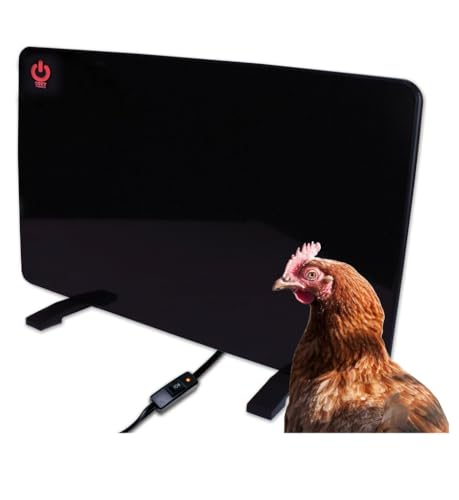
Cozy Products Cozy Coop Flat-Panel Radiant Heater
For extreme-cold cases only: a safer flat-panel radiant heater used instead of a heat lamp.
Preventing Frostbite
Frostbite shows up on the exposed parts, combs, wattles, and toes, and it is driven by moisture and drafts as much as by cold. Your best defenses are a dry, well-ventilated coop and no drafts at roost level. Provide wide, flat roosts, such as a 2-by-4 laid flat side up, so birds can fully cover their feet with their bodies at night. Keep bedding dry to control humidity. In severe cold, a thin layer of petroleum jelly on large single combs can add some protection, but dryness and ventilation are the real fix.
Feed, Bedding, and Roosts
- Feed: Chickens burn more energy in the cold, so keep feed available free choice and offer a little scratch grain in the late afternoon to generate overnight body heat.
- Bedding: Keep it deep and dry. Many keepers use the deep litter method, layering bedding through winter so it composts gently and adds a bit of warmth.
- Roosts: Wide, flat roosts let birds cover their feet. Make sure all birds have room to roost together, since they share warmth.
- Water: Always available and unfrozen, checked daily.
When Is Supplemental Heat Justified?
For the vast majority of backyard flocks in most climates, no added heat is needed or advisable, and heat lamps in particular are a serious fire risk and a leading cause of coop fires. The exceptions are narrow: very young birds, sick or injured birds, non-cold-hardy breeds, or genuinely extreme conditions far below a breed's tolerance. In those cases, a flat-panel radiant heater is far safer than a heat lamp. Even then, keep it away from bedding, never rely on it to mask a damp or drafty coop, and remember that a healthy, dry, draft-free flock rarely needs it.
The Takeaway
Keeping chickens warm in winter is mostly about not trying to make them warm. Trust their feathers, and put your effort where it counts: a dry, well-ventilated, draft-free coop, unfrozen water, plenty of feed, dry bedding, and wide roosts. Skip the heat lamp in all but extreme cases. Do this and your cold-hardy flock will come through even a hard winter healthy and comfortable, ready to start laying again as the days lengthen.
Pet Insurance · Sponsored
Have a Dog or Cat at Home Too? Protect Them From Surprise Vet Bills
Most backyard chicken keepers share their home with a dog or cat as well, and one emergency visit can run into the hundreds or thousands. Pet insurance can help cover surprise vet bills so a sudden cost does not force a hard choice. Get a free quote and see what coverage fits your household.
Frequently Asked Questions
Do chickens get cold in winter?
Far less than most people assume. Chickens are remarkably cold-hardy thanks to their down feathers, which trap a layer of warm air against the body, and they tolerate cold much better than heat. Healthy adult birds of cold-hardy breeds handle freezing temperatures and even sub-zero nights with a dry, draft-free coop. The bigger winter dangers are moisture, drafts, and frostbite, not the cold itself.
Should I heat my chicken coop in winter?
In most climates, no. Heating a coop is usually unnecessary and carries real risks: heat lamps are a leading cause of coop fires, and a heated coop leaves birds unable to acclimate and dangerously cold if the power fails. Chickens tolerate cold well when kept dry and out of drafts. Focus on ventilation, dry bedding, and draft control rather than adding heat. Reserve supplemental heat for extreme cases.
How do I keep my chickens' water from freezing?
A heated waterer or a heated base under a metal fount is the simplest reliable solution, keeping water liquid through freezing weather. If you do not have power at the coop, swap out frozen water for fresh warm water a couple of times a day. Constant access to unfrozen water matters greatly in winter, since hydration supports laying, digestion, and overall health in the cold.
How do I prevent frostbite on combs and wattles?
Frostbite is caused by moisture, not just cold, so the key is keeping the coop dry and well ventilated to remove the humidity birds give off. Ensure good high ventilation, keep bedding dry, and eliminate drafts at roost level. Wide, flat roosts let birds cover their feet with their bodies. In severe cold, a thin layer of petroleum jelly on large combs can offer some protection, though dryness is the real defense.
Do chickens need extra food in winter?
Yes, somewhat. Chickens burn more energy staying warm in cold weather, so they tend to eat more, and that is normal. Keep their regular feed available free choice. A small scratch grain treat in the late afternoon gives them something to digest overnight, which generates body heat. Make sure layers still get their balanced feed and calcium, and never let feed run out in the cold.
Will my hens stop laying in winter?
Many will slow down or stop, and that is natural. Laying is driven by daylight, and as days shorten hens often take a break, sometimes alongside their annual molt. This rest is healthy for them. Some keepers add supplemental light to maintain production, but giving hens a natural winter rest can support long-term health. Expect fewer eggs in the darkest months regardless of temperature.
What is the most important thing for chickens in winter?
A dry, well-ventilated, draft-free coop. That single combination prevents the real winter threats: moisture buildup, frostbite, and respiratory illness. Add unfrozen water, plenty of feed, dry bedding, and wide roosts birds can hunker down on, and your cold-hardy flock will come through winter in good shape without any added heat in most climates.
Need more help with your flock?
Browse our guides by topic to find practical solutions.
Wellness Planner: $39