Are Backyard Chickens Right for You? Honest Pros and Cons
A candid look at what keeping backyard chickens really involves: the time, cost, mess, and joys, so you can decide if a flock fits your yard, your budget, and your life.
Backyard chickens are having a moment, and for good reason. Fresh eggs, charming birds, and a connection to where your food comes from are real and lasting rewards. But chickens are not a hands-off hobby, and the happiest keepers are the ones who knew what they were signing up for. This honest guide lays out the daily reality, the costs, the mess, and the joys so you can decide with clear eyes whether a flock belongs in your yard.
A Few Things You'll Want Before Birds Arrive
PawHut Wooden Walk-in Chicken Coop for 8-10 Hens
A roomy, attractive coop and run that suits a typical suburban backyard flock.
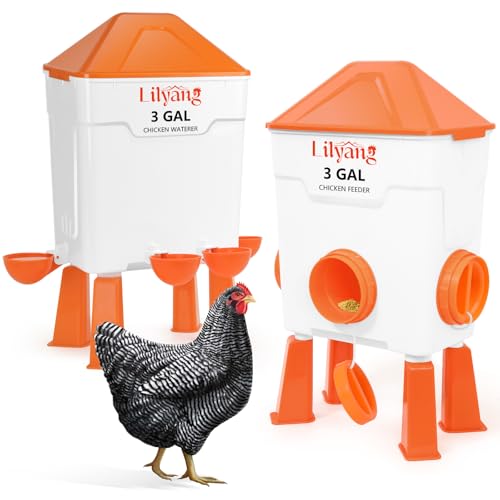
MAYKI Lilyang Chicken Feeder and Waterer Set 3 Gallon
A simple, no-waste feed and water setup that keeps daily care to a few minutes.

Manna Pro Manna Pro Layer Pellets, 16% Protein
Complete layer feed so feeding stays as easy as filling a feeder.
The Real Daily Time Commitment
Let us start with the question everyone asks: how much work is this? The honest answer is that daily care is light but non-negotiable. Each day you will refill food and water, collect eggs, and give the flock a quick look to catch problems early. That is usually ten to fifteen minutes. The catch is that it has to happen every day, including holidays, snowstorms, and the mornings you would rather sleep in. Chickens also need closing up at dusk and opening at dawn, though an automatic coop door can handle that for you.
On top of the daily rhythm, plan for a weekly chore: refreshing bedding, scrubbing the waterer, and checking birds for mites, lice, and foot problems. A deeper coop clean comes around a few times a year. None of it is hard, but it is real, ongoing work for the six to ten years your hens will live.
What It Actually Costs
The startup cost is the part that surprises people. A safe, roomy coop and run, a feeder, a waterer, and your first birds typically add up to a few hundred dollars, and more if you buy a large prebuilt coop. After that, ongoing costs are modest, often $15 to $40 a month in feed and bedding for a small flock, rising a bit in winter. Be honest with yourself: backyard eggs are rarely cheaper than store eggs. You keep chickens for freshness, quality, and enjoyment, not to save money at the grocery store.
The Mess, the Noise, and the Neighbors
Chickens are tidy in some ways and messy in others. A well-kept coop with enough space and dry bedding does not smell, but a crowded or wet one absolutely will, and that is the fastest way to upset neighbors. Hens are not loud, though many will announce a freshly laid egg with a cheerful racket. Roosters, on the other hand, crow early and often, which is exactly why most towns ban them and most suburban keepers skip them.
Free-ranging birds will dig in garden beds, nibble seedlings, and leave droppings on patios. Most keepers solve this by fencing chickens out of prized areas or keeping them in a run. A friendly heads-up to neighbors, and the occasional carton of eggs, goes a long way toward keeping the peace.
Backyard Chicken Keepers Planner
Track your chicken's health, meds, vet visits, mobility, nutrition, and quality of life, all in one printable planner.
The Joys That Keep People Hooked
Now for the good part, because there is a reason the hobby is so addictive.
- Eggs with real flavor: Fresh backyard eggs have rich, deep-orange yolks that store eggs rarely match.
- Genuine personalities: Chickens are curious, funny, and surprisingly individual. Many become tame enough to follow you around the yard.
- Garden and kitchen synergy: Chickens turn kitchen scraps and weeds into eggs and rich compost, and they devour garden pests.
- A calming hobby: Watching a flock scratch and dust-bathe is genuinely relaxing, and a wonderful way to get kids connected to where food comes from.
Honest Reasons to Wait
Chickens are not the right fit for everyone right now, and there is no shame in that. You may want to hold off if any of these ring true:
- Your town, city, or HOA does not allow backyard hens.
- You travel frequently and have no reliable chicken sitter.
- Your yard cannot offer at least 4 square feet of coop and 8 to 10 square feet of run per bird.
- You are not prepared to handle illness, predators, or the eventual care of older, non-laying hens.
- Your budget cannot absorb the upfront cost of a secure coop and setup.
A Simple Self-Check Before You Commit
Ask yourself a few plain questions. Are chickens legal where I live? Can I commit to daily care for years, travel included? Do I have the space and budget for a proper, predator-tight setup? Am I ready to care for birds that will outlive their best laying years? If you can answer yes, you are likely to love keeping chickens. If a few answers give you pause, it may be worth solving those pieces first, whether that means waiting a season, building a bigger coop, or lining up a sitter.
Most people who do their homework find that chickens deliver far more joy than hassle. The eggs are the bonus. The real payoff is the daily pleasure of a healthy, happy flock in your own backyard. If this guide has you nodding along rather than backing away, you are probably ready to take the next step.
Pet Insurance · Sponsored
Have a Dog or Cat at Home Too? Protect Them From Surprise Vet Bills
Most backyard chicken keepers share their home with a dog or cat as well, and one emergency visit can run into the hundreds or thousands. Pet insurance can help cover surprise vet bills so a sudden cost does not force a hard choice. Get a free quote and see what coverage fits your household.
Frequently Asked Questions
Are chickens a lot of work?
Daily chicken care is light, usually ten to fifteen minutes for feeding, watering, egg collection, and a quick health check. The bigger commitments are the one-time setup, a weekly coop cleaning, and being home or arranging a sitter every single day. Compared to a dog, chickens are low-maintenance, but they are a daily responsibility for many years.
Do chickens smell bad?
A well-managed small flock does not smell. Odor comes from wet, crowded, or rarely cleaned coops. With enough space, dry bedding, good ventilation, and regular cleaning, a backyard coop smells like a barn at most. Problems usually trace back to overcrowding or letting droppings and moisture build up.
How long do backyard chickens live?
Many backyard hens live six to ten years, and some go longer. They lay best in their first two to three years, then production tapers off while the hen lives on. Be ready to care for older hens that lay little or nothing, since rehoming or culling spent hens is a decision every keeper eventually faces.
Will chickens ruin my yard or garden?
Free-ranging chickens will happily dig up garden beds, eat seedlings, and create dust-bath craters. Most keepers fence chickens out of prized garden areas or keep them in a run, then let them clean up the vegetable patch in the off-season. With a little planning, chickens and gardens coexist beautifully.
Are backyard eggs cheaper than store eggs?
Usually not, once you account for the coop, feed, and bedding. People keep chickens for fresher, better-tasting eggs, knowing exactly how the birds are raised, and the enjoyment of the hobby. Think of the eggs as a wonderful bonus rather than a way to save money on groceries.
Can I leave chickens alone for a weekend?
For a night or two, a secure coop with plenty of food, water, and an automatic door can manage. For longer trips you need someone to collect eggs, refill water, check for problems, and close up at night. Line up a reliable chicken sitter before you commit, just as you would for any other pet.
Do I need a big property to keep chickens?
No. A small flock of three to six hens fits comfortably in a modest suburban backyard, given roughly 4 square feet of coop space and 8 to 10 square feet of run per bird. The bigger limit is usually local law, not lot size, so check your zoning before measuring your yard.
Need more help with your flock?
Browse our guides by topic to find practical solutions.
Wellness Planner: $39