Backyard Chicken Supply Checklist for Beginners
The complete checklist of everything you need before bringing chickens home: coop, feeders, waterers, feed, bedding, grit, brooder gear, and the extras that make life easier.
There is a special kind of stress that comes from realizing, on the day your chicks arrive, that you forgot something essential. The fix is simple: gather your supplies before the birds come home, not after. This checklist walks through everything a beginner needs, from the non-negotiable basics to the chick-rearing gear and the time-saving extras. Print it, work through it, and you will start your flock calm and prepared rather than scrambling at the feed store.
Daily-Care Essentials
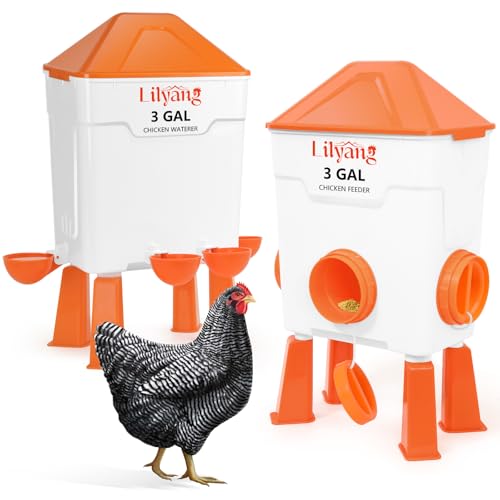
MAYKI Lilyang Chicken Feeder and Waterer Set 3 Gallon
A no-waste feeder and waterer combo that covers the two daily basics at once.
Darcvds Chicken Waterer Cups, 8 Pack
Clip-on cups for a clean, low-mess watering system from a bucket or pipe.

Manna Pro Manna Pro Layer Pellets, 16% Protein
Complete layer feed for hens at point of lay and beyond.

BobbleT Premium Pine Shavings Coop Bedding
Absorbent, low-odor bedding for the coop floor and nesting boxes.
The Non-Negotiable Essentials
These are the items every flock needs from day one. Without them, you cannot safely house, feed, or water your birds.
- A secure coop: Predator-tight shelter with about 4 square feet of floor space per bird, good ventilation up high, and latches a raccoon cannot open.
- An enclosed run: Outdoor space of roughly 8 to 10 square feet per bird, fenced with half-inch hardware cloth, not flimsy chicken wire.
- Roosting bars: Chickens instinctively sleep up off the floor, so every bird needs roost space, ideally a flat 2-by-4 with the wide side up.
- Nesting boxes: About one box per three to four hens, placed lower than the roosts and filled with clean bedding.
- Feeder: A waste-reducing feeder sized so you are not refilling constantly.
- Waterer: A clean, reliable water source, ideally cup or nipple style, with enough capacity for hot days.
- Complete feed: Starter for chicks, grower for juveniles, and a complete layer feed for hens at point of lay.
- Bedding: Pine shavings are the popular default. Avoid cedar.
Don't Forget Grit and Oyster Shell
These two supplements are inexpensive, long-lasting, and easy to overlook, but they matter. Insoluble grit is small, hard stones that chickens store in their gizzard to grind food, and any bird eating anything beyond plain commercial crumble needs access to it. Oyster shell supplies the extra calcium laying hens need for strong eggshells. Offer each in its own small dish, free choice, so every bird can take what she needs. Skip these and you risk digestive trouble and thin, brittle eggshells.
Backyard Chicken Keepers Planner
Track your chicken's health, meds, vet visits, mobility, nutrition, and quality of life, all in one printable planner.
If You're Starting With Chicks
Raising chicks adds a temporary but essential layer of gear for the first several weeks of their lives, before they are feathered enough to move outdoors.
- Brooder: A safe, draft-free enclosure such as a large tote, stock tank, or dedicated brooder, with walls high enough to keep chicks in and drafts out.
- Heat source: A brooder heat plate is the safer modern choice over a heat lamp, which is a fire risk. Chicks start warm and the heat is lowered gradually as they feather out.
- Chick starter feed: A higher-protein crumble formulated for young birds, medicated or unmedicated depending on your vaccination plan.
- Chick feeders and waterers: Shallow, chick-sized designs they cannot drown in or foul easily.
- Thermometer: To monitor brooder temperature, which starts around 95°F and drops about 5 degrees a week.
- Paper towels: Over the bedding for the first few days so chicks learn to eat feed, not shavings, which helps prevent pasty butt.
A Basic Chicken First-Aid Kit
Things happen: a scrape, a broken nail, a case of bumblefoot, or a chick that goes off its feet. A small kit lets you handle minor issues calmly and buys time for bigger ones. Keep these on hand:
- Vet wrap and gauze for bandaging
- A poultry-safe antiseptic for cleaning wounds
- Styptic powder to stop bleeding from a nail or comb
- Electrolytes and vitamin supplements for stressed or ailing birds
- Disposable gloves and small scissors or tweezers
- Saline for flushing wounds and eyes
A kit handles the small stuff. For serious illness, persistent symptoms, or anything you are unsure about, contact a poultry-savvy or avian vet or your local cooperative extension office, which is a free and knowledgeable resource.
The Extras That Make Life Easier
None of these are strictly required, but each one saves time, money, or worry, and most keepers add them eventually.
- Automatic coop door: Opens at dawn and closes at dusk, sparing you the daily trips and protecting against predators if you are late.
- No-waste or treadle feeder: Cuts spilled feed and keeps rodents and wild birds out, trimming your largest ongoing cost.
- Heated waterer or base: Keeps water liquid through winter, a real convenience in cold climates.
- Roll-away nesting boxes: Guide eggs out of reach, keeping them clean and reducing breakage and egg-eating.
- Sealed feed storage can: A metal trash can with a tight lid keeps feed dry and rodents out.
Set Up Before They Arrive
The golden rule of this checklist is timing: have it all in place and assembled before your birds come home. Build and predator-proof the coop, set up the brooder if you are raising chicks, fill the feeders and waterers, and stock your supplements and first-aid kit. Starting prepared turns those first chaotic days into calm, enjoyable ones, and it is the best gift you can give both yourself and your new flock.
Pet Insurance · Sponsored
Have a Dog or Cat at Home Too? Protect Them From Surprise Vet Bills
Most backyard chicken keepers share their home with a dog or cat as well, and one emergency visit can run into the hundreds or thousands. Pet insurance can help cover surprise vet bills so a sudden cost does not force a hard choice. Get a free quote and see what coverage fits your household.
Frequently Asked Questions
What supplies do I need before bringing chickens home?
At minimum you need a secure coop and run, roosting bars, nesting boxes, a feeder, a waterer, complete feed, bedding, grit, and oyster shell for layers. If you are starting with chicks, you also need a brooder, a heat source, chick starter feed, and chick-sized feeders and waterers. Have everything set up before the birds arrive, not after.
What kind of feeder and waterer should I get?
Choose a feeder that limits waste and keeps feed dry, such as a port or treadle style, sized so you are not refilling constantly. For water, cup or nipple-style waterers stay cleaner than open dishes and reduce disease. Buy enough capacity that the flock will not run dry on a hot day, and plan a winter solution so water does not freeze.
Do chickens need grit and oyster shell?
Yes, and they serve different purposes. Insoluble grit is small stones that chickens store in their gizzard to grind food, needed by any bird eating anything besides commercial crumble. Oyster shell provides calcium for strong eggshells and is offered separately so laying hens can take what they need. Provide both in their own dishes, free choice.
What bedding is best for a chicken coop?
Pine shavings are the most popular choice because they are absorbent, affordable, and control odor well. Avoid cedar shavings, which give off oils that can irritate chickens' airways. Some keepers use sand or the deep-litter method. Whatever you choose, keep it dry, since damp bedding causes odor, ammonia, and respiratory problems.
What supplies do baby chicks need?
Chicks need a brooder, which is a safe, draft-free enclosure, plus a heat source like a brooder heat plate, chick starter feed, and shallow chick feeders and waterers they cannot drown in. Use paper towels over bedding for the first days so chicks learn to eat feed rather than shavings. Keep everything clean to prevent pasty butt and illness.
Should I have a chicken first-aid kit?
Yes. A basic kit lets you handle minor injuries and common issues before they become emergencies. Useful items include vet wrap, gauze, a poultry-safe antiseptic, electrolytes and vitamins, styptic powder for bleeding, and gloves. Keep it stocked and accessible, and know when an issue is beyond home care and warrants a poultry-savvy vet or extension office.
What extras make chicken keeping easier?
Beyond the essentials, an automatic coop door saves you the dawn and dusk trips, a treadle or no-waste feeder cuts feed loss and deters rodents, and a heated waterer base prevents winter freezing. Roll-away nesting boxes keep eggs clean, and a sturdy storage can keeps feed dry and rodent-free. None are mandatory, but each saves time or money.
Need more help with your flock?
Browse our guides by topic to find practical solutions.
Wellness Planner: $39