Can Chickens and Ducks Live Together? A Keeper's Guide
Can chickens and ducks share a coop and run? What works, what to adjust for feed, water, and space, and how to keep a mixed backyard flock happy and healthy.
Yes, chickens and ducks can live together successfully with a few key adjustments. The two species generally coexist peacefully, but they have different needs. Ducks require more floor space, do not roost or use nesting boxes, and create a lot of moisture with their water, while chickens need a dry coop and elevated roosts. Manage those differences and a mixed flock works beautifully.
Plenty of backyard keepers happily raise chickens and ducks side by side, enjoying both fresh chicken eggs and rich duck eggs from one setup. The secret is understanding where the two species differ and adapting your housing, feed, and water accordingly. Here is how to do it right.
Feed and Water for a Mixed Flock
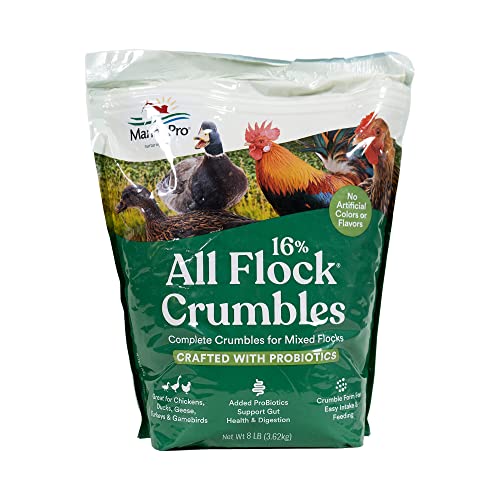
Manna Pro Manna Pro All Flock Crumbles
One complete feed that suits chickens and ducks together, with added probiotics.

FARM-TUFF 5-Gallon Hanging Poultry Waterer
Plenty of clean drinking water for a mixed flock, kept separate from duck pools.
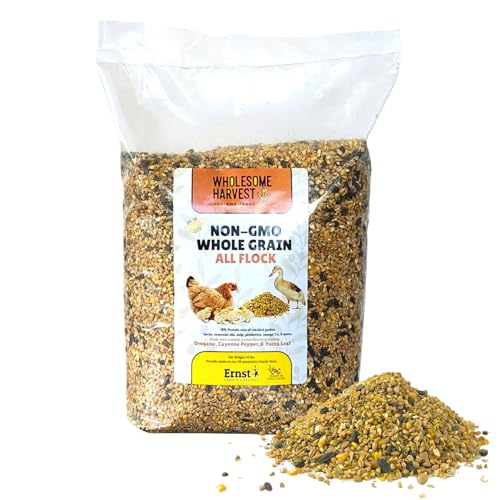
Wholesome Harvest Wholesome Harvest All Flock Feed
Non-GMO all-flock option for feeding ducks and chickens from the same bag.
How Ducks and Chickens Differ
Before mixing the two, it helps to know how they live differently. Chickens roost up off the ground at night, lay in nesting boxes, prefer to stay dry, and forage by scratching. Ducks sleep on the ground, lay their eggs on the floor wherever they happen to be, love water and mud, and forage by dabbling. Neither way is better, but the contrasts shape every decision about housing them together.
Temperament-wise, the two usually get along. Ducks are typically calm and rarely start trouble. Chickens run a clearer pecking order and a bossy hen or rooster might occasionally pester a duck, but serious conflict is uncommon when there is enough space. Expect the species to keep mostly to their own kind rather than truly flocking together, like roommates who share a house but have their own circles.
Housing a Mixed Flock
You can house chickens and ducks in one structure if you adapt it to both. The two biggest issues are space and moisture.
- Give ducks ground-level space: Ducks do not climb to roosts, so provide a low, dry, comfortable sleeping spot on the floor with deep bedding.
- Keep roosts and nests for the hens: Chickens still want elevated roosts and nesting boxes up off the ground.
- Plan for more room: Ducks are larger and messier, so allow generous floor space, more than you would for chickens alone.
- Prioritize ventilation: Ducks add a lot of humidity, and a damp coop harms chickens, so excellent airflow is essential.
Some keepers find it simpler to give each species its own house while sharing a run during the day. Both approaches work. The key is that ducks get the floor space and dryness they need without compromising the chickens' health.
Feeding Chickens and Ducks Together
Feeding a mixed flock is easier than it sounds. The simplest solution is an unmedicated all-flock or flock-raiser feed, which is formulated for mixed poultry and safe for both species. Set out free-choice oyster shell on the side so laying hens and ducks can take the extra calcium they need for strong shells.
The one feed wrinkle is niacin. Ducklings need more niacin than standard chick starter provides, and a shortage can cause leg problems. If you raise ducklings, add brewer's yeast to their feed or use a dedicated waterfowl starter. Also avoid medicated chick feed for ducklings, since they eat more and can overdose on the medication. Provide separate feeding stations to reduce squabbling and make sure shy birds get their share.
Backyard Chicken Keepers Planner
Track your chicken's health, meds, vet visits, mobility, nutrition, and quality of life, all in one printable planner.
The Water Question
Water is where ducks and chickens differ most. Ducks need deep water to submerge their bills and heads, keep their eyes and nostrils clean, and bathe. They splash relentlessly, turning bedding into a soggy, smelly mess. Chickens, meanwhile, need only clean drinking water and a dry environment to stay healthy.
The fix is to keep duck pools and deep waterers outside the coop, ideally in the run over a drainable or well-drained spot. Provide chickens their own clean drinking water in a poultry waterer that ducks cannot foul, and refresh it often. Managing water well is the single biggest factor in whether a mixed flock stays healthy and pleasant or turns into a muddy, ammonia-heavy mess.
Raising Ducklings and Chicks Together
Brooding ducklings and chicks together is possible but takes extra effort. Ducklings grow faster, soak the brooder with water play, and need more niacin, while chicks need to stay dry and warm and can be trampled by bigger ducklings. If you try it, keep the brooder scrupulously dry, supplement the ducklings' niacin, and give the chicks safe space. Many keepers conclude it is simpler to brood the two species separately for the first few weeks, then combine them once everyone is feathered and steady.
The Bottom Line
Chickens and ducks make fine flockmates when you respect their differences. Provide ducks with ground-level space and keep duck water out of the coop to protect your dry-loving hens, feed an all-flock ration with oyster shell on the side, and give everyone enough room. Do that, and you can enjoy the best of both worlds: the steady eggs and charm of a chicken flock, plus the hardy, comical company of ducks, all in one backyard setup.
Pet Insurance · Sponsored
Have a Dog or Cat at Home Too? Protect Them From Surprise Vet Bills
Most backyard chicken keepers share their home with a dog or cat as well, and one emergency visit can run into the hundreds or thousands. Pet insurance can help cover surprise vet bills so a sudden cost does not force a hard choice. Get a free quote and see what coverage fits your household.
Frequently Asked Questions
Can chickens and ducks share a coop?
Chickens and ducks can share a coop and run with a few adjustments. The main differences are that ducks need more floor space, do not roost or use nesting boxes, and create a lot of moisture and mess with their water. Give ducks a low, dry sleeping area on the ground, keep duck water outside the coop, and the two can live together peacefully.
Can ducks and chickens eat the same feed?
Ducks and chickens can eat the same unmedicated all-flock or flock-raiser feed, which is the simplest option for a mixed group. Provide free-choice oyster shell on the side for laying hens and ducks that need extra calcium. Ducklings need higher niacin than chick starter provides, so add brewer's yeast or use a waterfowl feed during their first weeks.
Do ducks and chickens get along?
Ducks and chickens generally coexist well, though they tend to keep to their own kind rather than truly mingle. Ducks are usually calm and rarely aggressive, while a pushy chicken or rooster may occasionally bully a duck. Provide enough space, separate feeding stations, and watch for bullying, and most mixed flocks settle into a relaxed, peaceful routine.
Why can't ducks and chickens share water?
Ducks need deep water to dunk their heads, clean their eyes and bills, and bathe, and they splash constantly, soaking bedding and creating a muddy, smelly mess. That moisture is bad for chickens, which need a dry coop to stay healthy. Keep duck pools and deep waterers outside the coop, and give chickens their own clean drinking water separately.
Do chickens and ducks need separate housing?
Not necessarily. They can share one structure if you adapt it: a dry, low ground-level space for ducks to sleep, roosts and nesting boxes up high for chickens, and excellent ventilation to handle duck moisture. Some keepers prefer separate housing for simplicity. Either works, as long as ducks get floor space and the coop stays dry and well-ventilated.
Can ducklings and chicks be raised together?
Ducklings and chicks can be brooded together with care, but it is tricky. Ducklings grow faster, are far messier with water, and need more niacin than chick starter provides. Keep the brooder extra dry, supplement niacin for the ducklings, and protect the smaller chicks from being trampled. Many keepers find it easier to brood the two species separately.
Need more help with your flock?
Browse our guides by topic to find practical solutions.
Wellness Planner: $39