Can You Have Just One Chicken? What to Know First
Can you keep a single chicken? The honest answer on why hens are flock animals, when a lone bird happens, and how to give one chicken a happy, healthy life.
You can technically keep just one chicken, but you really should not. Chickens are deeply social flock animals, and a single hen kept alone is prone to stress, loneliness, and behavior problems. For a happy, healthy bird, almost every poultry-extension office and avian vet recommends keeping at least two, and ideally three or more, chickens together.
That said, life happens. Maybe a predator wiped out all but one hen, maybe you rehomed a lone bird, or maybe your town limits you to a single chicken. This guide explains why chickens crave company, what a solo hen really needs, and how to make the best of it if you genuinely end up with one bird.
Setting Up for a Small, Happy Flock

PawHut Wooden Walk-in Chicken Coop and Run
A secure home with room to add the companions a lone hen needs.

FARM-TUFF 5-Gallon Hanging Chicken Waterer
Plenty of clean water for a growing flock with less daily refilling.
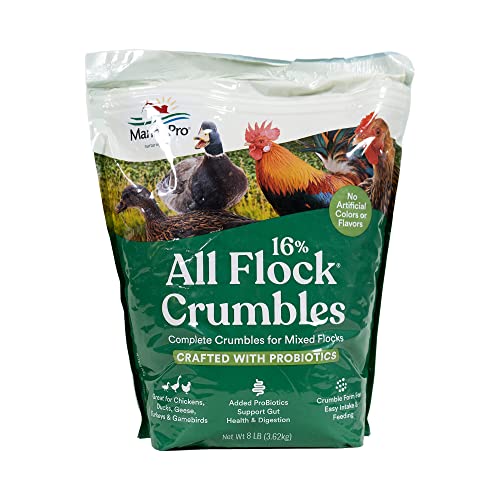
Manna Pro Manna Pro All Flock Crumbles
Complete feed that suits a mixed-age flock as you add new birds.
Why Chickens Need a Flock
Chickens evolved as prey animals that survive by sticking together. In a flock, birds take turns watching for hawks and ground predators, huddle together for warmth on cold nights, and follow a clear pecking order that tells everyone where they stand. That social structure is not a nice-to-have for a chicken, it is the framework for nearly all of their natural behavior, from foraging in a group to roosting shoulder to shoulder at dusk.
Strip away the flock and a chicken loses all of that. A lone bird has no one to roost beside, no flock to forage with, and no companions to feel safe around. Many solo hens become visibly anxious. They may call loudly and constantly, pace the fence line, eat poorly, or pluck their own feathers out of stress. Some bond intensely with their keeper and grow distressed whenever you leave. None of that is the sign of a content chicken.
The Problems With Keeping One Chicken
Beyond loneliness, a single chicken faces a few practical risks. A lone bird struggles to stay warm in winter, since chickens normally share body heat on the roost. She is also more exposed to predators with no flockmates to sound the alarm. And without the steady routine of a group, behavioral issues like feather picking, screaming, and feeding strikes become far more likely.
- Loneliness and stress: The single biggest issue, and the root of most other problems.
- Cold nights: One bird cannot share warmth, making winter harder on a solo hen.
- Weaker predator awareness: No flock means no extra eyes watching for danger.
- Behavior problems: Excessive noise, feather picking, and clinginess are common.
When You End Up With a Single Chicken
Sometimes a keeper is left with one bird through no fault of their own. A predator attack, illness, or old age can thin a flock down to a single survivor. If that happens, the kindest move is to add at least one new companion as soon as you reasonably can. Look for a hen of similar size and temperament so the introduction goes smoothly.
Introductions take patience. Quarantine any new bird for two to four weeks to make sure she is healthy, then use a see-but-not-touch setup, such as a wire divider in the run, so the birds can get used to each other before they share space. Expect some squabbling as the pecking order resets. Within a week or two, most pairs settle into a calm routine.
Backyard Chicken Keepers Planner
Track your chicken's health, meds, vet visits, mobility, nutrition, and quality of life, all in one printable planner.
If You Truly Can Only Keep One
Occasionally a keeper has no choice. A strict ordinance might cap you at one bird, or a special-needs hen may not tolerate flock life. In those rare cases, you can improve a solo chicken's quality of life with effort, even if you cannot fully replace flock company. The goal is to fill her days with security, stimulation, and attention.
- Spend real time with her: A lone hen often bonds closely with people, so daily company helps.
- Add enrichment: A dust-bath area, things to scratch and peck, and a mirror can ease loneliness.
- Keep her warm: Provide a snug, draft-free roost and extra bedding for cold nights.
- Consider other poultry: A duck or a couple of quiet bantams may offer some companionship, though chicken company is best.
- Stay vigilant about predators: A single bird needs an especially secure coop and run.
The Bottom Line
A chicken is a flock animal first and a pet second. While you can keep just one hen, doing so goes against her deepest instincts and usually leads to a stressed, lonely bird. If you are planning a flock from scratch, start with three to six hens so the group stays stable even if you lose one. And if you find yourself with a lone survivor, give her companions as soon as you can. Chickens are happiest, healthiest, and most fun to watch when they have friends to scratch, forage, and roost alongside.
Pet Insurance · Sponsored
Have a Dog or Cat at Home Too? Protect Them From Surprise Vet Bills
Most backyard chicken keepers share their home with a dog or cat as well, and one emergency visit can run into the hundreds or thousands. Pet insurance can help cover surprise vet bills so a sudden cost does not force a hard choice. Get a free quote and see what coverage fits your household.
Frequently Asked Questions
Is it cruel to keep just one chicken?
Keeping a single chicken long term is widely considered unkind because chickens are flock animals that depend on companions for safety, warmth, and normal behavior. A lone hen often becomes stressed, lonely, and prone to feather picking or depression-like behavior. It is not illegal in most places, but nearly every poultry-extension office and vet recommends keeping at least two or three birds together.
Will a single chicken be lonely?
Yes, a solo chicken usually shows clear signs of loneliness. Chickens are social by nature and rely on a flock for security, so a lone bird may call constantly, pace, stop eating well, or become unusually clingy to people. Some bond hard with a human and follow you everywhere, but human attention cannot replace the round-the-clock company of other chickens.
Can a chicken live alone with other animals?
A chicken can share a yard with ducks, a calm dog, a cat, or a goat, but those animals are not a true substitute for chicken company. Other poultry like ducks can help, yet a chicken still does best with at least one other chicken. Never rely on a predator species like a dog or cat as a flock mate, since that adds risk rather than comfort.
What is the minimum number of chickens to keep?
Three is the practical minimum most keepers recommend. With three birds, the flock still functions if one passes away, leaving a pair rather than a single lonely hen. Two can work, but if one dies the survivor is suddenly alone. Starting with three to six hens gives a stable pecking order, steady eggs, and built-in companionship.
My chicken is the last one left. What do I do?
If a hen is suddenly the last of her flock, add at least one new companion as soon as you safely can. Quarantine new birds for two to four weeks first, then introduce them slowly using a see-but-not-touch setup to ease the pecking order. In the meantime, give the lone hen extra attention, a mirror, and a secure, enriched space to reduce stress.
Do single hens still lay eggs?
A lone hen will usually keep laying, since hens do not need a rooster or other hens to produce eggs. However, chronic stress and loneliness can reduce laying or trigger problems like feather picking. A content hen in a small flock tends to lay more reliably than an anxious solo bird, so good company supports good production.
Need more help with your flock?
Browse our guides by topic to find practical solutions.
Wellness Planner: $39